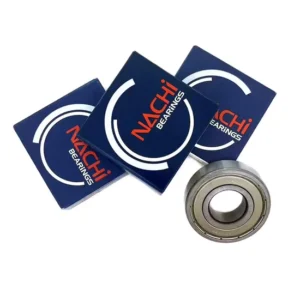
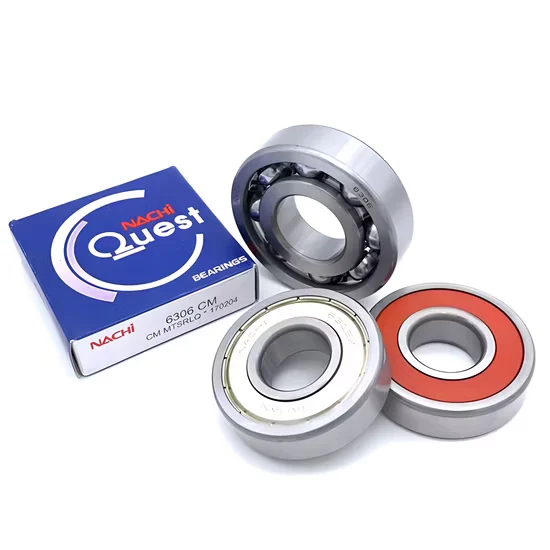
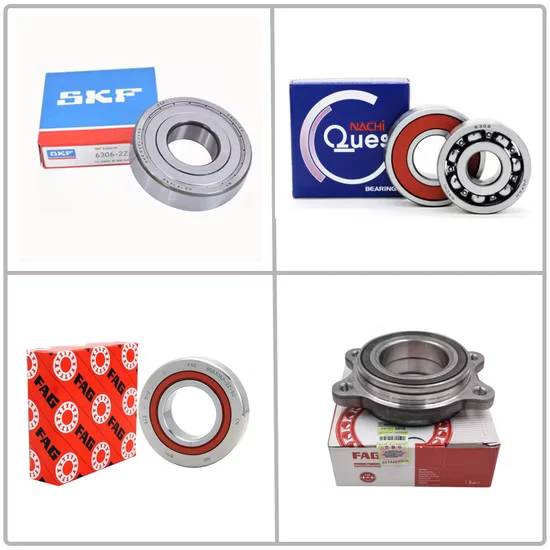
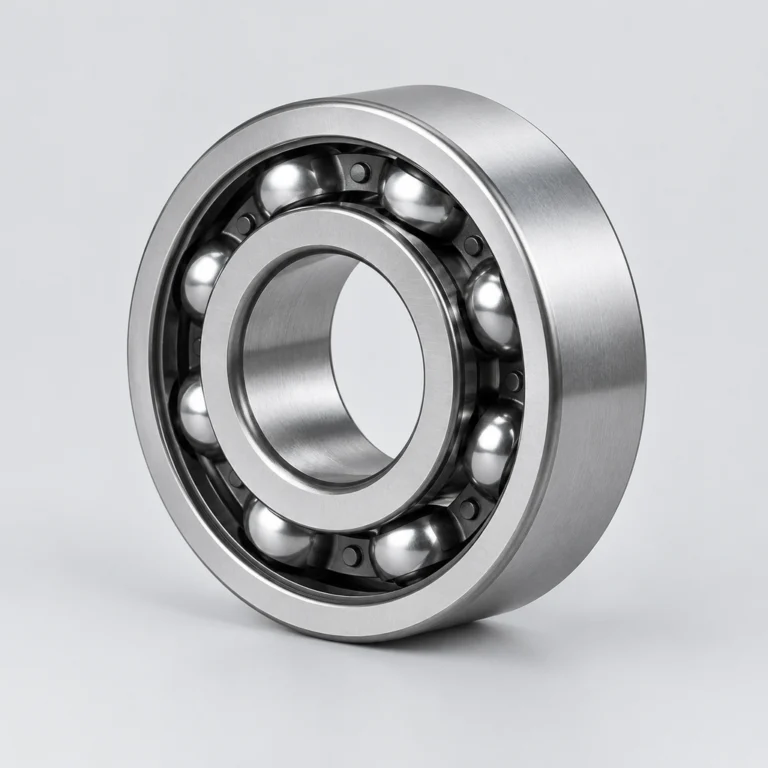
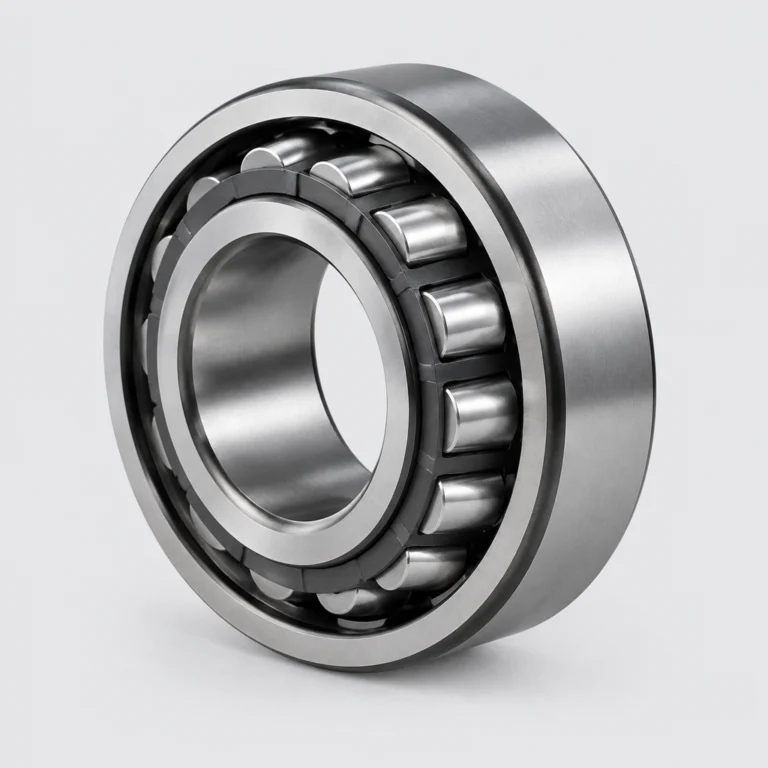
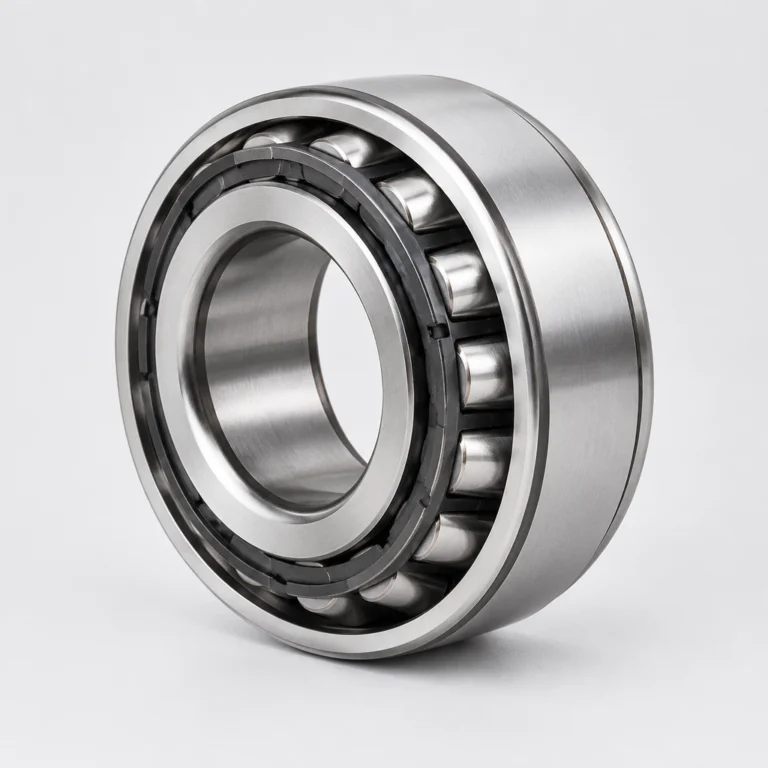
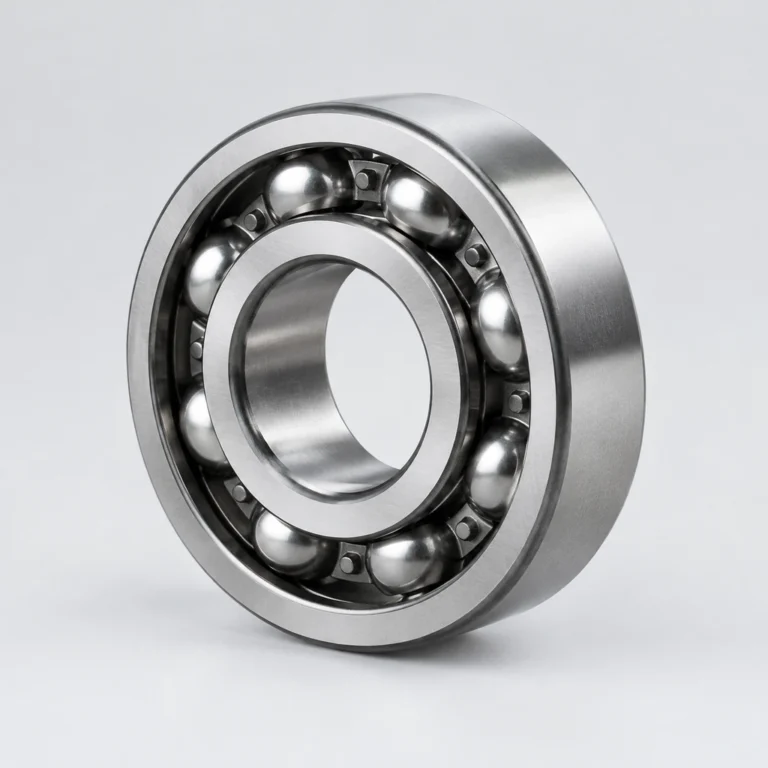
Cross-Reference Alignment — verifying dimensional, load, and speed equivalence across global catalogs prevents marine motor misfits.
Technical Specifications
| Parameter | Value |
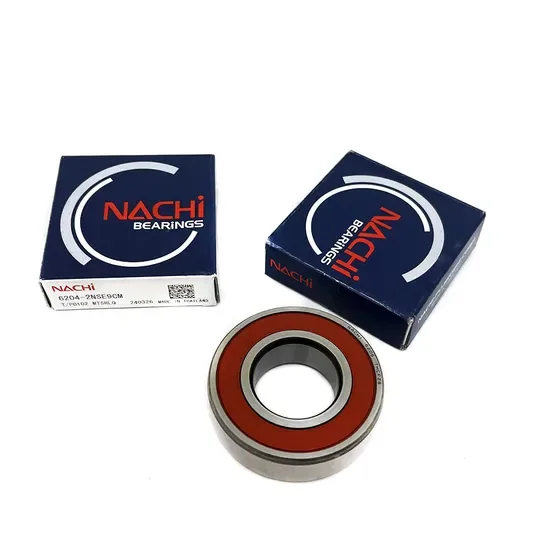
| Designation | NACHI 608zz |
| Bearing Type | Deep Groove Ball Bearing |
| Bore Diameter (d) | 8 mm |
| Outside Diameter (D) | 22 mm |
| Width (B) | 7 mm |
| Arrangement | Single Row |
| Load Direction | Radial Bearing |
| Lubrication | Grease or Oil |
| Feature | High Speed |
| Seal or Shield Type | zz * |
zz: unverified suffix — requires manufacturer catalog confirmation
Application Suitability
| Industry | Typical Applications |
| Marine Equipment | Electric motors, Pumps |
Why Iron Shields Fail in Salt-Laden Air for the NACHI 608zz deep groove ball bearing
Metal shields alone cannot stop chloride corrosion inside marine motor housings.
Early in my career supplying marine electric motors, I specified standard iron-shielded deep groove ball bearings for a shipyard project, assuming the metal covers would sufficiently block dust and debris. Within months, the high-salinity engine room atmosphere penetrated the non-contact shields, causing the raceways to rust and the bearings to seize completely. This costly failure highlighted a critical reality: marine environments demand rigorous scrutiny of sealing mechanisms, as microscopic salt aerosols easily bypass standard metallic barriers and destroy internal geometries.

Matching Single-Row Geometry to Marine Rotational Loads
The NACHI 608zz deep groove ball bearing utilizes a single-row arrangement specifically optimized for the radial loads typical in small marine pumps, auxiliary cooling fans, and conveyor drives. Its high-speed capability ensures exceptionally smooth operation in continuous-duty electric drives where vibration must be minimized to protect sensitive onboard electronics. Sourcing fully traceable units from authorized channels guarantees that the internal geometry, ball grading, and raceway honing perfectly match the original equipment specifications, preventing premature fatigue in demanding maritime conditions.
Managing Saline Exposure and Lubrication Washout
Marine environments introduce severe operational challenges, including relentless salt spray intrusion and extreme humidity that rapidly degrade standard lubricants. While the compatibility with grease or oil lubrication provides operational flexibility, the physical seal or shield type must effectively block moisture ingress to prevent catastrophic raceway pitting. High-speed rotation combined with axial displacement from thermal expansion demands precise internal clearance management to avoid binding. Furthermore, the constant vibration from ship engines can cause lubricant channeling, making the initial fill and retention capabilities absolutely critical for sustained performance.
Decoding the Shield Configuration and Speed Ratings
The deep groove raceway design inherently accommodates both radial and minor axial loads without requiring complex preloading arrangements, making it ideal for compact marine motor shafts. High-speed features rely on low-friction internal geometries and precise ball grading to minimize heat generation during prolonged operation. The shield configuration aims to retain lubricant while excluding large particulates, though non-contact metal shields offer significantly less moisture protection compared to rubber seals. Understanding these fundamental trade-offs is critical when specifying components for damp engine rooms, as selecting the wrong barrier type inevitably leads to lubricant washout and subsequent metal-to-metal contact.
The Cascading Impact of Ingress-Related Seizures
Selecting an inadequate shield type for marine applications inevitably leads to unplanned downtime when saltwater breaches the bearing cavity and initiates rapid oxidation. Premature failure of a seemingly insignificant small motor bearing can halt critical auxiliary systems, causing catastrophic damage to the driven pump impeller or gearbox housing. Such incidents frequently result in warranty voidance, expensive emergency dry-dock repairs, and severe operational delays. Adhering to failure analysis frameworks helps identify these ingress-related root causes before they escalate into systemic vessel failures.
Securing Traceability for Critical Marine Spares
We provide genuine original bearings with complete traceability documentation, ensuring every NACHI 608zz deep groove ball bearing originates strictly from authorized manufacturing channels. Our massive spot inventory covers thousands of standard part numbers, allowing flexible MOQ ranging from single-unit emergency spare-part orders to full container consolidation shipments for fleet-wide overhauls. We offer extensive cross-brand equivalent model consultation to verify dimensional alignment and load ratings when replacing obsolete marine motor parts, backed by long-term after-sales technical support for failure analysis and application guidance across global maritime operations.
Documentation & Authenticity
- Certificate of Conformity confirming original manufacturing origin and material specifications
- Factory batch traceability linking the specific shield configuration to production records
- Official brand authentication verification via secure QR code scanning tools
- Dimensional inspection report validating the precise bore and outer diameter tolerances before shipment
- Material test certificates verifying the corrosion resistance of the bearing steel
Storage, Handling & Mounting
- Keep the original factory packaging sealed until installation to prevent salt air from corroding the metal shields
- Use clean lint-free gloves when handling to avoid transferring acidic sweat onto the high-speed raceways
- Apply controlled induction heating for mounting if interference fits are required on the small bore
- Verify the internal grease fill level matches the marine motor manufacturer's specific relubrication schedule
- Store the units in a climate-controlled environment to prevent condensation from forming under the shields
Preparing Your Technical Parameters for Verification
Share your exact radial and axial load profiles, operating speeds, and ambient temperature ranges so our engineering team can validate the L10 life calculation for your specific maritime application. Providing the exact OEM equipment nameplate data allows us to cross-reference the required clearance class and verify the shield configuration against the original design. Specify the precise exposure level to salt spray and washdown procedures to determine if an alternative sealing arrangement is necessary for long-term survival in harsh oceanic conditions.
Frequently Asked Questions
Q: How do we verify the authenticity of this specific bearing model?
A: Authenticity is confirmed by checking the original factory batch traceability and utilizing official brand authentication tools. We supply complete documentation proving authorized channel procurement, ensuring the internal components and shield materials meet strict marine equipment standards without relying on unverified secondary markets or grey channels.
Q: How should we choose between grease and oil for high-speed marine motors?
A: Grease is typically preferred for sealed or shielded setups to minimize maintenance intervals in hard-to-reach marine engine rooms. Oil lubrication is reserved for extremely high-speed applications where heat dissipation is critical. We analyze your specific rotational speed and thermal profile to recommend the optimal lubrication strategy for long-term reliability.
Q: What cross-reference precautions apply when replacing original equipment bearings?
A: When cross-referencing, engineers must verify not just the basic dimensions, but also the internal clearance, cage material, and precision alignment. Substituting a standard clearance bearing in a high-temperature marine motor can cause thermal binding. We provide detailed technical selection support to match the exact operational requirements and prevent misalignment.
Q: How to select the right seal or shield type for harsh marine environments?
A: Selecting the correct barrier requires evaluating the specific moisture and particulate exposure in the engine room. Non-contact metal shields handle high speeds well but allow salt aerosols to enter, while rubber seals offer superior moisture protection at the cost of higher friction. We analyze your environmental data to recommend the optimal configuration.