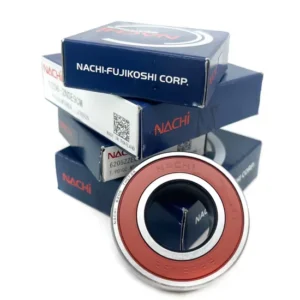
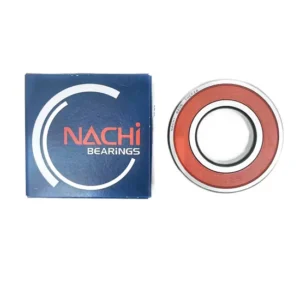
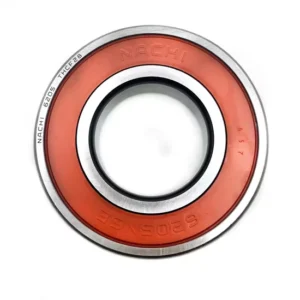
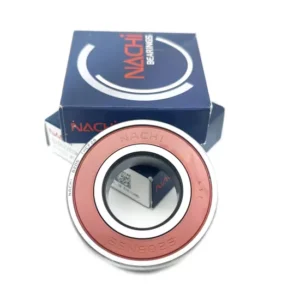
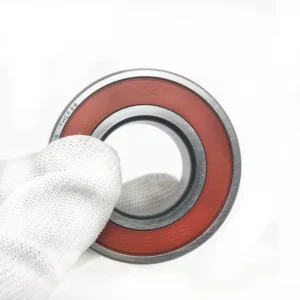
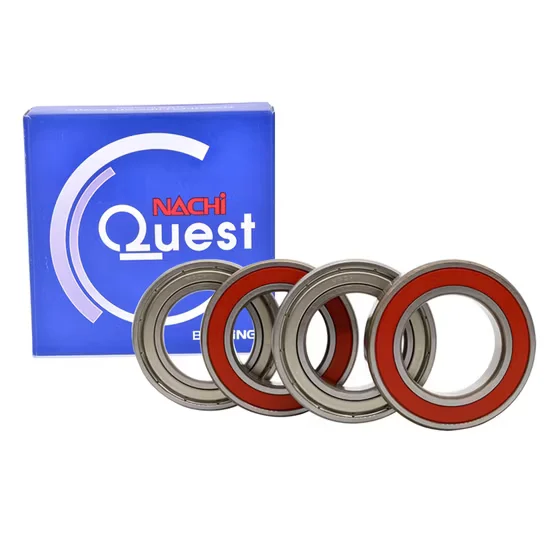
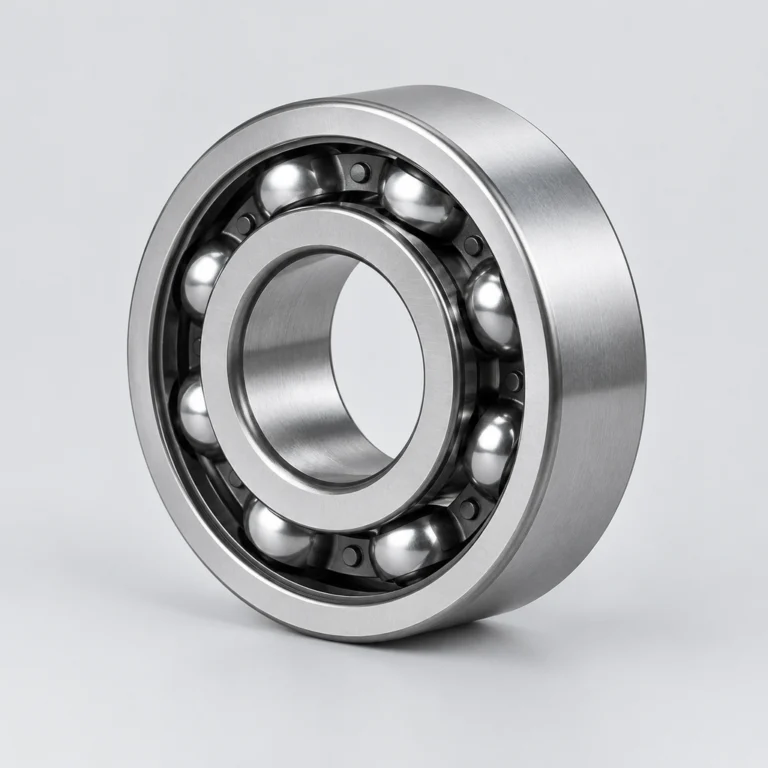
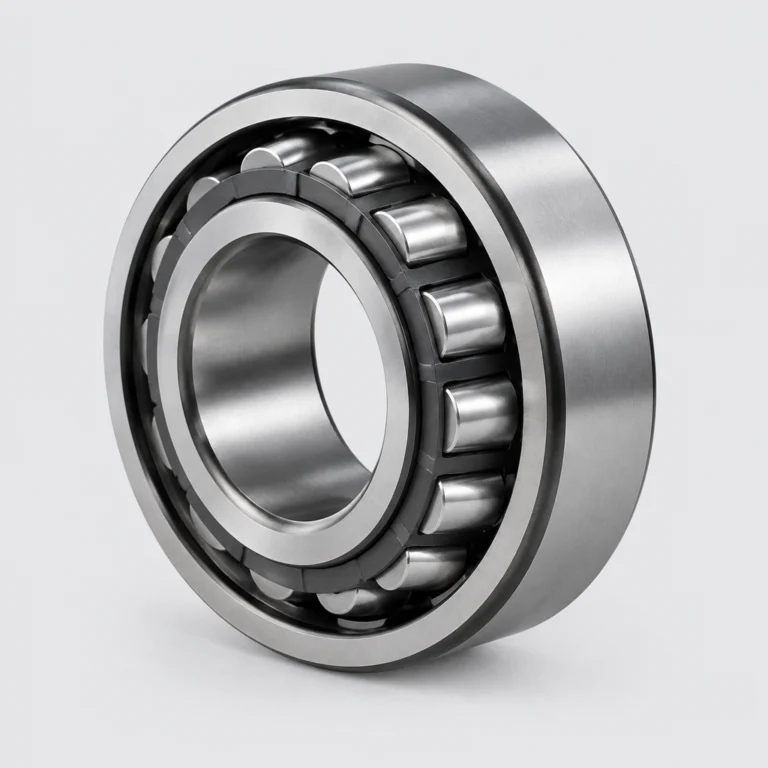
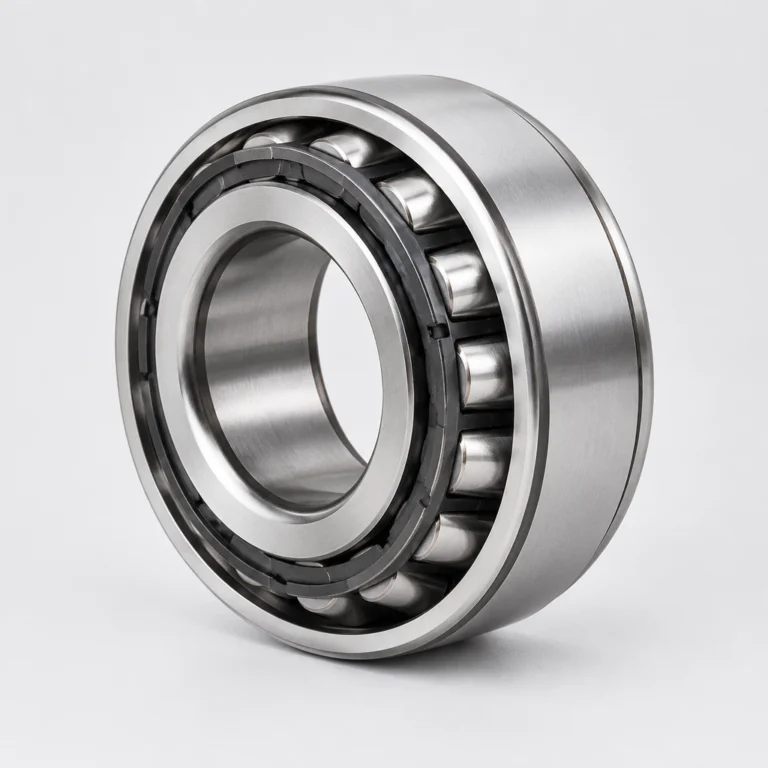
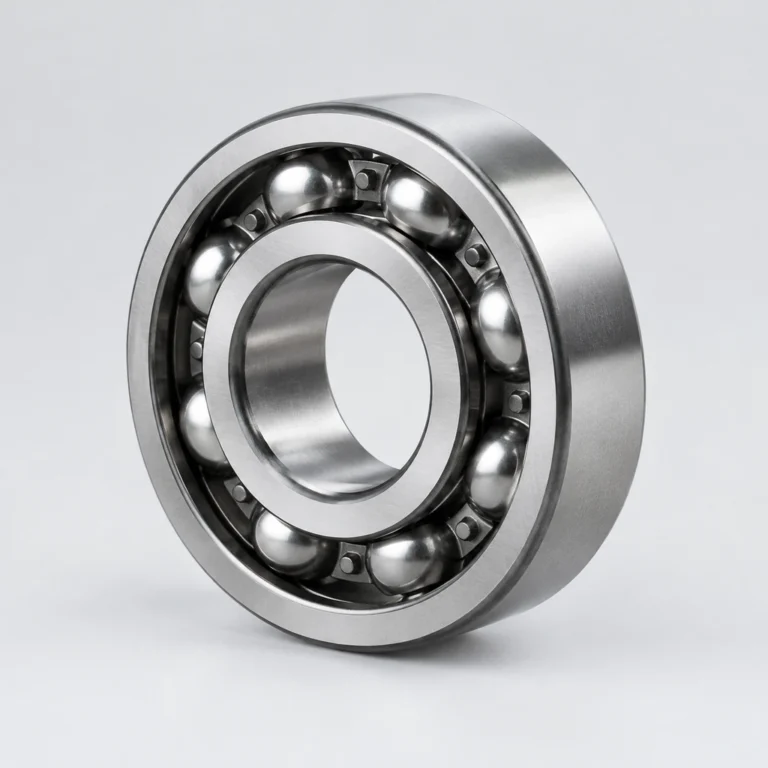
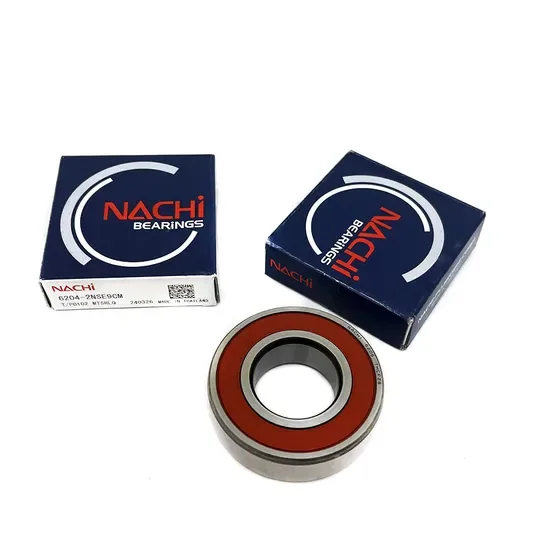
Unified Multi-Brand Sourcing — Consolidate your NACHI 6200 6201 6202 6203 6204 deep groove ball bearing orders with mixed SKF or NSK equivalents in a single shipment, eliminating multi-vendor coordination delays.
Technical Specifications
| Parameter | Value |
| Designation | 6200 6201 6202 6203 6204 |
| Bearing Type | Deep Groove Ball Bearing |
| Precision Class | P0, P6, P5, P4 |
| Material | Bearing Steel |
| Vibration Level | Z1V1, Z2V2, Z3V3, Z4V4 |
| Seal or Shield Type | Zz, 2RS, Open |
| Lubrication | Grease or Oil |
| Origin | Shandong Province, China |
Application Suitability
| Industry | Typical Applications |
| Water Treatment | Centrifugal pump impeller shafts, submersible motor drives |
| General Manufacturing | Conveyor roller idlers, gearbox input shafts |
| HVAC & Appliances | Circulation pump rotors, cooling fan motor assemblies |
Why Pump Shafts Seize Long Before the Bearing Steel Fails
Moisture ingress through mismatched seal types causes catastrophic rusting, not material fatigue.
Early in my career overseeing pump integrations in Southeast Asia, a batch of shielded units was deployed in a submerged application. Water bypassed the metal shields, leading to seized races and massive returns. Selecting the correct NACHI 6200 6201 6202 6203 6204 deep groove ball bearing requires strict alignment between the seal suffix and the actual fluid exposure. Operators often assume all enclosed bearings handle water equally, but non-contact shields only block large particulates. When liquid breaches the* the protective film and triggering localized welding. This fundamental misunderstanding of seal mechanics is responsible for a significant share of premature pump failures across the region.

Matching Seal Configurations to Fluid Dynamics
When specifying a NACHI 6200 6201 6202 6203 6204 deep groove ball bearing for pump assemblies, the environment strictly dictates the seal choice. Open variants suit oil-bath lubricated gearboxes where external cooling is present, while Zz shields handle dry dust in conveyor idlers. For direct water exposure, 2RS contact seals are mandatory to prevent the exact moisture intrusion disasters I witnessed in Vietnamese water treatment plants. The rubber lips maintain constant contact with the inner ring, creating a physical barrier that withstands high-pressure washdowns and submerged operations without compromising rotational torque.
Addressing Radial Loads and Cavitation Vibrations
Pump impellers generate continuous radial loads interspersed with high-frequency vibrations from fluid cavitation and hydraulic imbalances. These dynamic forces demand specific vibration ratings like Z3V3 or Z4V4 to maintain raceway integrity and prevent premature surface spalling. Inadequate vibration grading accelerates microscopic pitting, especially when rotational speeds fluctuate during pump startup and shutdown sequences. Ensuring the internal geometry meets stricter vibration thresholds guarantees smoother operation, reducing the harmonic resonance that typically transfers into the pump housing and damages adjacent mechanical seals.
Decoding Precision and Material Tolerances
The available P0 to P4 precision classes directly influence pump rotor stability and overall hydraulic efficiency. Standard P0 suffices for basic agricultural water pumps, but high-speed centrifugal pumps require P5 or P4 to minimize shaft runout and acoustic noise. The standard bearing steel construction provides excellent structural rigidity, though operators must ensure the selected clearance class accommodates thermal expansion from continuous high-speed rotation. Tighter tolerances in higher precision grades ensure the rolling elements track perfectly within the raceway, eliminating the micro-slippage that generates excess heat and degrades the factory-applied grease.
Managing Thermal Expansion in High-Speed Rotors
Continuous operation in centrifugal pumps generates substantial internal heat, particularly when high-speed motors drive the impeller shafts. The standard bearing steel material handles these thermal loads effectively, provided the internal clearance is correctly matched to the operating temperature. If a standard clearance is used in a high-heat environment, the thermal expansion of the inner and outer rings will eliminate the internal play, leading to excessive preload and rapid temperature spikes. Specifying the appropriate clearance class ensures the rolling elements maintain optimal contact angles even when the pump housing reaches elevated temperatures during peak hydraulic demand.
Mitigating Contamination in Agricultural and MRO Settings
Agricultural irrigation pumps and general MRO replacement scenarios frequently expose components to heavy particulate matter, mud, and abrasive dust. In these harsh environments, the integrity of the seal lip becomes the primary defense against raceway scoring. While Zz shields offer low-friction protection for clean indoor applications, they cannot prevent fine silt from migrating into the grease cavity. Upgrading to 2RS contact seals creates a strong physical barrier that wipes the inner ring surface clean with every rotation, significantly extending the service interval and preventing the abrasive wear that destroys pump efficiency.
The Cascading Impact of Improper Seal Selection
Deploying a non-contact shield in a wet environment guarantees premature failure and extensive collateral damage. Once moisture breaches the raceway, the lubricant emulsifies, stripping the protective film between rolling elements and races. This triggers localized welding and eventual seizure, causing unplanned downtime and potentially destroying the pump shaft, impeller, and housing. The financial impact extends far beyond the replacement part, encompassing lost production hours, emergency freight costs, and the labor required to dismantle the entire pump assembly for a comprehensive rebuild.
Securing Traceability for Critical Pump Spares
We maintain strict verification protocols because counterfeit deep groove balls often lack the precise heat treatment required for sustained pump loads. Our inventory ensures every unit traces back to the manufacturer's production facilities with verifiable documentation. We actively cross-check physical dimensions, seal suffixes, and laser markings against official catalogs, preventing the costly misapplications that plague emergency MRO replacements. By consolidating mixed-brand orders, we eliminate the coordination delays that typically stall urgent maintenance projects, ensuring your facility receives fully authenticated components exactly when the maintenance window opens.
Documentation & Authenticity
- Anti-counterfeit QR codes verifying genuine NACHI origin for each sealed carton.
- Material certificates confirming bearing steel grade and heat treatment compliance.
- Dimensional inspection reports validating P4 runout tolerances before dispatch.
- Factory batch traceability logs linking specific pump spares to production dates.
Storage, Handling & Mounting
- Retain original moisture-barrier packaging until mounting to protect 2RS seal lips from dust.
- Use induction heaters for inner ring expansion, avoiding open flames that degrade grease.
- Store P4 precision units in climate-controlled rooms to prevent raceway condensation.
- Apply clean gloves when handling open variants to prevent sweat-induced corrosion.
Engineering Data Required for Order Validation
To finalize your selection, provide the exact radial and axial loads, operating temperatures, and rotational speeds of your pump system. Sharing the OEM equipment model number allows our engineering team to cross-reference dimensions and confirm the optimal seal and clearance configuration for your specific hydraulic application.
Frequently Asked Questions
Q: How do I verify the authenticity of these bearings upon delivery?
A: Inspect the packaging for official anti-counterfeit QR codes and scan them using the manufacturer's designated application. Cross-check the physical dimensions, seal suffix markings, and laser-etched designations against the provided certificate of conformity to ensure no unauthorized substitutions occurred during transit.
Q: What are the differences between Zz, 2RS, and Open types for pumps?
A: Open bearings require external oil bath or grease systems, ideal for enclosed gearboxes. Zz metal shields offer low-friction protection against dry dust but cannot stop liquid water. The 2RS rubber contact seals provide the highest moisture exclusion, making them essential for submerged or high-humidity pump environments.
Q: How do I choose the right precision rating for high-speed motors?
A: Standard P0 ratings are adequate for low-speed, general-purpose applications. For high-speed electric motors driving centrifugal pumps, upgrading to P5 or P4 precision minimizes shaft runout, reduces acoustic noise, and prevents vibration-induced fatigue, ensuring stable rotor dynamics under continuous operational loads.
Q: Can these models cross-reference with other brands for emergency replacements?
A: Yes, these dimensions align with standard international footprints. We can cross-reference to SKF, FAG, and NSK equivalents using models like 6001, 6002, 6003, 6004, and 6005 for urgent maintenance, provided the seal suffixes and internal clearance classes match your original equipment specifications.
Q: What is the recommended lubrication for continuous pump operation?
A: Units with 2RS or Zz seals are pre-lubricated for life and should not be relubricated, as forcing grease damages the seal lips. Open variants require periodic regreasing based on operating hours and temperature, using a high-quality lithium or polyurea grease compatible with the pump's thermal profile.