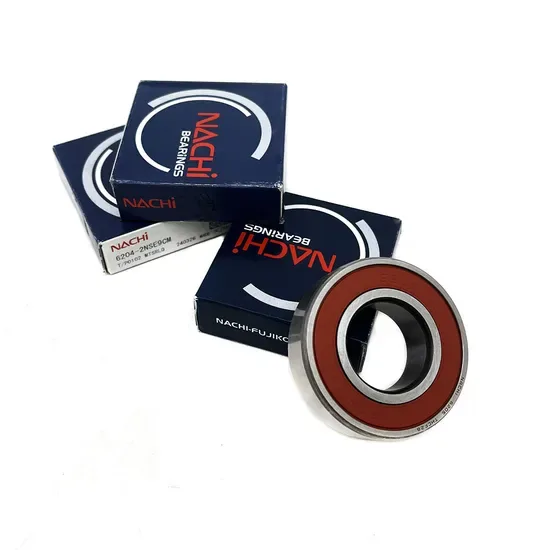
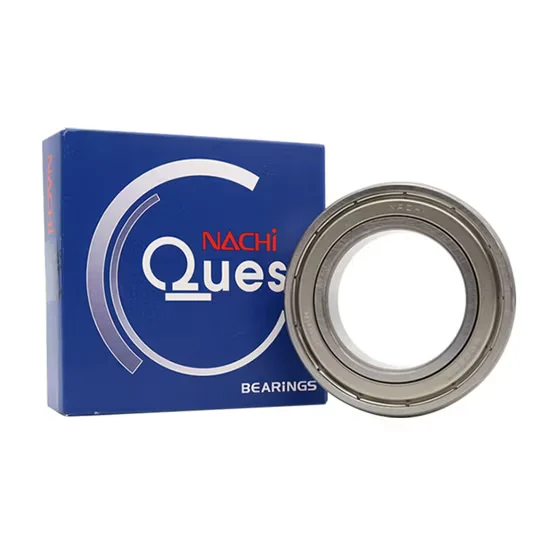
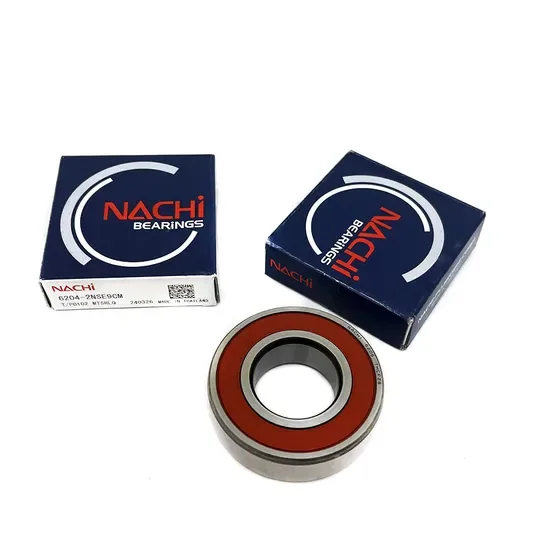
Official App QR Verification — Scan the factory-applied QR code on each X&S 67 series carton to instantly validate batch authenticity and traceability records.
Technical Specifications
| Parameter | Value |
| Designation | X&S 6701 6700 679 678 677 676 675 674 673 672 671 6711 |
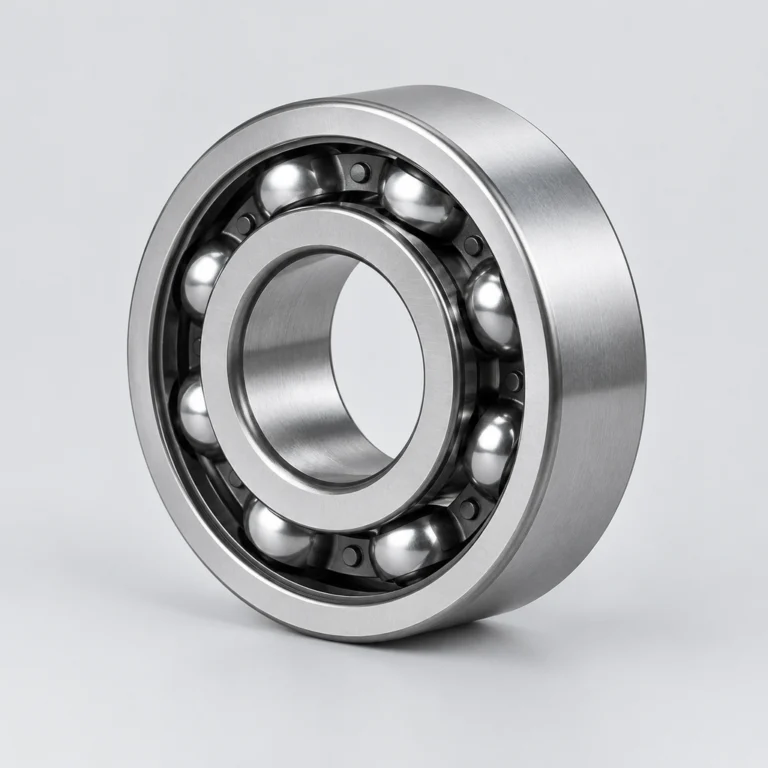
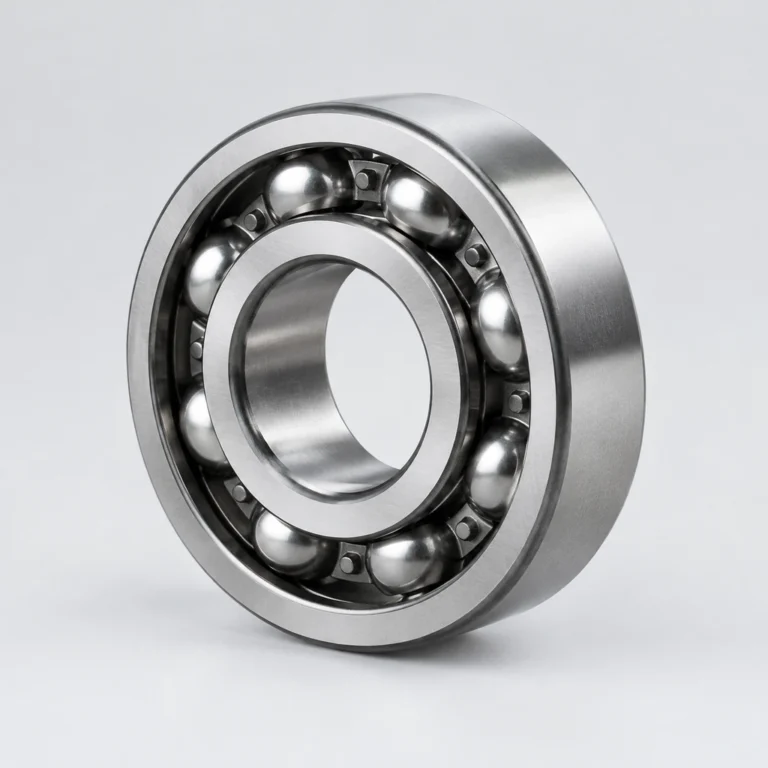
| Bearing Type | Deep Groove Ball Bearing |
| Load Direction | Radial Bearing |
| Lubrication | Grease or Oil |
| Feature | High Speed |
| Specification | Standard size |
| Origin | Shandong, China |
| HS Code | 8482102000 |
Application Suitability
| Industry | Typical Applications |
| Construction & Earthmoving | Excavator hydraulic pump drives and swing circle auxiliary mechanisms |
| Railroad & Transit | Traction motor auxiliary drives and signaling equipment gearboxes |
| General Industrial | Electric motors, fluid pumps, material conveyors, and reduction gearboxes |
| Appliance & Light Mfg | Household appliance spindle assemblies and precision instrument rotors |
Why High-Speed Radial Loads Destroy Improperly Sealed X&S 6701 6700 679 678 677 676 675 674 673 672 671 6711 deep groove ball bearing Units
Matching the seal friction to the rotational velocity prevents catastrophic thermal seizure.
Sourcing mixed-model packages for urgent MRO often leads to traceability gaps where open or shielded variants are mistakenly installed in high-moisture excavator environments. When dust ingress mixes with degraded grease, the resulting abrasive paste accelerates raceway spalling long before the calculated fatigue life is reached. I have seen entire railroad signaling gearboxes lock up simply because a non-contact shield was specified where a heavy-duty contact seal was mandatory for the particulate exposure. The financial fallout from these specification errors extends far beyond the replacement part, encompassing extensive labor costs and severe project delays.

Aligning the X&S 67 Series Portfolio with Demanding MRO Environments
Procuring the exact X&S 6701 6700 679 678 677 676 675 674 673 672 671 6711 deep groove ball bearing variant requires matching the internal clearance and cage design to the specific thermal expansion of the host equipment. Our cross-brand equivalent consultation ensures that when you replace an obsolete OEM part, the substitute maintains the precise radial load capacity and high-speed operational limits required by your excavator or conveyor assembly. We actively prevent the common pitfall of installing standard-clearance components in high-heat zones, which inevitably leads to thermal binding and catastrophic raceway scoring during continuous operation.
Navigating Thermal and Contamination Extremes in Heavy Machinery
Radial loads in construction machinery rarely remain purely static; they introduce shock pulses that demand robust cage retention and appropriate internal clearance to prevent ball skidding under transient axial thrust. At elevated rotational speeds, the friction generated by contact seals can raise internal temperatures significantly, thinning the grease and compromising the lubrication film. Conversely, non-contact shields offer minimal friction but fail to exclude the fine silica dust prevalent in excavation sites, forcing a critical compromise between sealing efficiency and thermal management. Understanding this delicate balance is essential for maximizing the service interval of any rotating assembly in heavy industrial settings.
Decoding the Internal Geometry and Lubrication Parameters
The high-speed capability of these radial bearings relies on precise raceway curvature and optimized ball-to-cage pocket clearance to minimize hydrodynamic drag during continuous rotation. Standard size specifications guarantee direct drop-in replacement without requiring housing or shaft modifications, which is crucial for rapid MRO turnarounds on active construction sites. Flexible lubrication compatibility allows maintenance teams to select either oil for superior heat dissipation in continuous-duty gearboxes or grease for sealed, maintenance-free intervals in inaccessible railroad equipment. The absence of specialized suffixes in this baseline series indicates standard CN clearance and pressed steel cages, making them ideal for general-purpose radial applications where extreme thermal expansion or heavy axial thrust are not primary concerns. This standardized geometry ensures predictable load distribution and reliable performance across a wide spectrum of industrial machinery.
The Cascading Financial Impact of Specification Mismatches
Installing a standard-clearance bearing in an application requiring C3 clearance leads to negative internal clearance once the shaft reaches operating temperature, causing excessive preload and rapid thermal degradation. Such premature failures trigger unplanned downtime that vastly exceeds the initial component cost, especially when the seized bearing damages adjacent seals, housings, and drive shafts. Furthermore, utilizing unverified batches with inconsistent material hardness voids equipment warranties and shifts the liability entirely onto the maintenance contractor. The hidden costs of these specification mismatches compound rapidly, turning a minor procurement saving into a major operational crisis that halts production and damages client relationships.
Securing Traceability and Technical Accuracy for Bulk Orders
We maintain massive spot inventory covering thousands of standard part numbers, ensuring that your mixed-size bearing packages are consolidated and shipped without the typical multi-week lead times that plague direct official channels. Every X&S 6701 6700 679 678 677 676 675 674 673 672 671 6711 deep groove ball bearing shipment includes complete traceability documentation, eliminating the risk of receiving mixed-quality batches from unauthorized brokers. Our technical selection support goes beyond basic catalog lookups; we verify that the specified lubrication and sealing configurations actually align with your site's ambient temperature and contamination profile. By providing flexible MOQ options, we accommodate everything from single-unit emergency spare-part orders to full container consolidation shipments, ensuring your MRO budget is optimized without sacrificing genuine quality.
Documentation & Authenticity
- Certificate of Conformity verifying the exact X&S 67 series batch and manufacturing date.
- Original manufacturer batch traceability linking the physical carton to the factory production run.
- Material inspection reports confirming the metallurgical composition of the rings and rolling elements.
- Dimensional and running accuracy inspection reports validating standard size tolerances before dispatch.
- Official app QR verification codes applied to each package for instant field authenticity checks.
Storage, Handling & Mounting
- Retain the original factory packaging to protect the standard size bearing surfaces from ambient humidity until the exact moment of installation.
- Store the grease-lubricated variants in a temperature-controlled environment to prevent base oil separation before they are pressed into the excavator housing.
- Use clean lint-free gloves when handling the open-type bearings to prevent skin acids from initiating microscopic corrosion on the high-speed raceways.
- Employ induction heating for the inner ring mounting to avoid damaging the pressed steel cage during interference fits on railroad shafts.
- Verify the shaft and housing tolerances match the standard CN clearance requirements to prevent unintended preload during the press-fit assembly.
Engineering Data Required for Precision Cross-Referencing
To ensure the selected X&S 67 series variant perfectly matches your operational demands, please provide the specific radial and axial load profiles alongside the maximum continuous operating speed. Sharing the exact OEM equipment serial numbers allows our engineering team to perform a rigorous cross-reference check against the original factory specifications, preventing costly installation errors. Additionally, detailing the ambient temperature range and the presence of abrasive particulates will help us confirm whether the standard sealing and lubrication configurations are sufficient for your application. This collaborative technical review ensures that the final procurement package delivers reliable, long-term performance in your specific working environment.
Frequently Asked Questions
Q: How do I verify the authenticity of the X&S 67 series bearings upon delivery?
A: Every carton features an official app QR code that links directly to the manufacturer's database. Scanning this code confirms the batch number, production date, and original factory destination. This digital traceability prevents the integration of unauthorized or counterfeit components into your critical MRO inventory, ensuring complete supply chain transparency.
Q: What cross-reference precautions are necessary when replacing OEM deep groove ball bearings?
A: Beyond matching the basic bore and outside diameter, you must align the internal clearance class, cage material, and precision grade. Substituting a standard CN clearance with a C3 variant, or ignoring the original cage design, can drastically alter the high-speed performance and thermal stability of the assembly. We provide comprehensive cross-reference consultation to ensure all dimensional and dynamic parameters align perfectly.
Q: How should I choose between grease and oil lubrication for high-speed applications?
A: Grease is ideal for sealed environments where relubrication is difficult, offering solid contamination exclusion and simplified maintenance. Oil lubrication, however, provides superior heat dissipation and is necessary for continuous high-speed operations where thermal management is critical. The choice depends entirely on the operating temperature, rotational velocity, and the accessibility of the bearing housing for ongoing maintenance.
Q: Why is seal selection critical for excavator and railroad equipment applications?
A: Excavators operate in high-dust environments where particulate ingress rapidly degrades lubrication, necessitating robust contact seals despite their higher friction. Conversely, railroad equipment often demands low-friction non-contact shields to minimize heat generation at sustained high speeds. Selecting the incorrect seal type leads to either thermal seizure from excessive friction or premature spalling from contamination ingress.