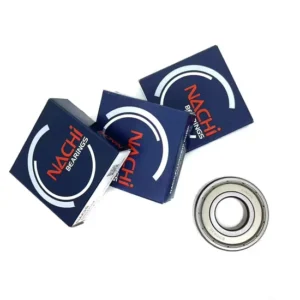
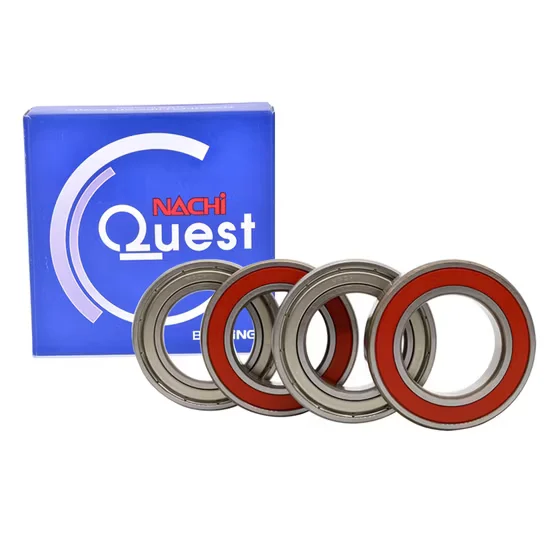
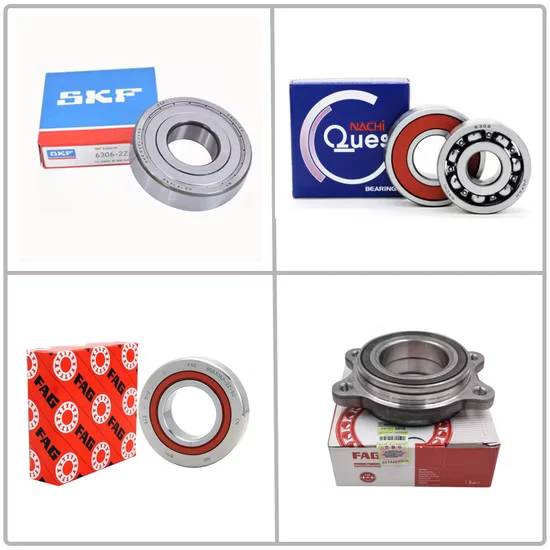
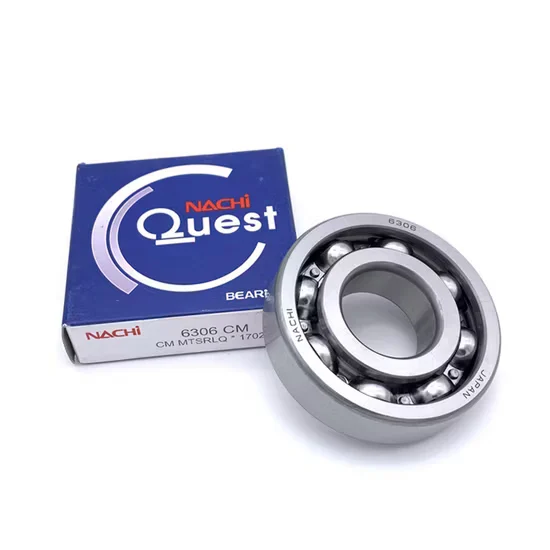
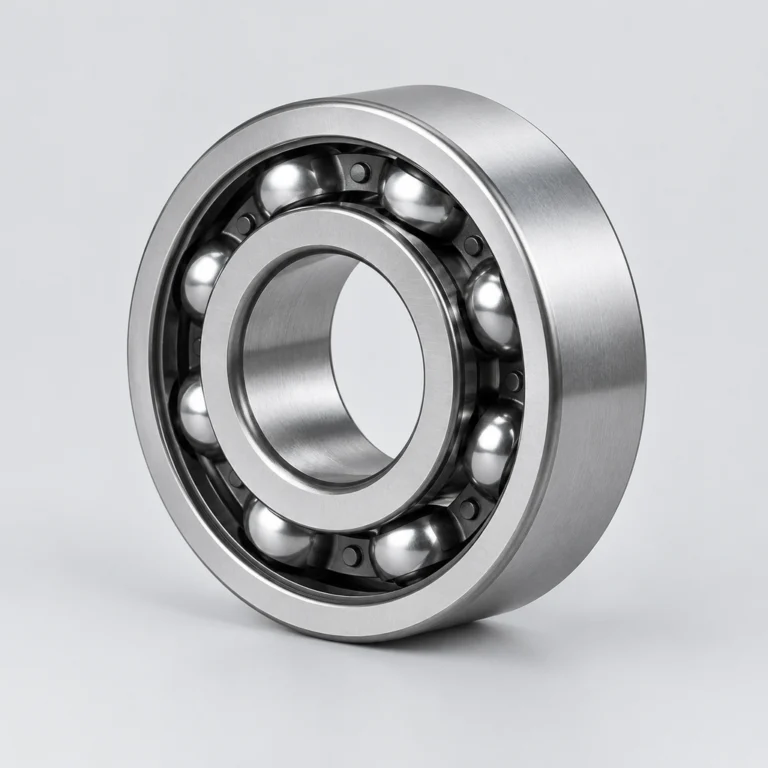
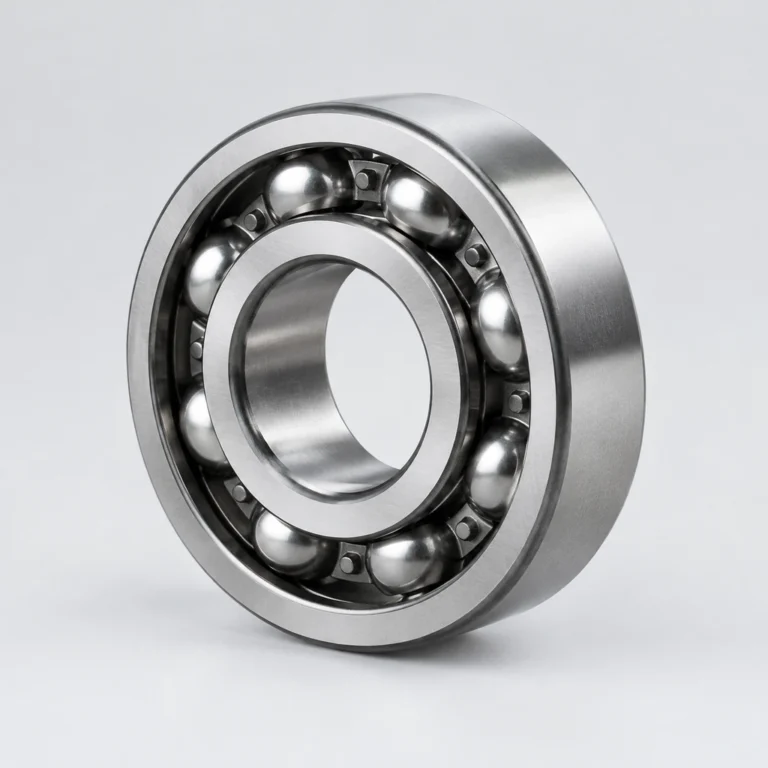
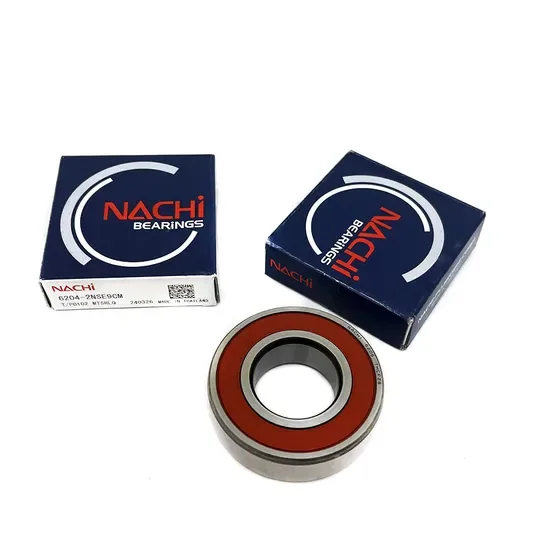
Original Batch Traceability — Every X&S 6903 6904 6905 6906 6907 6908 6909 6910 6911 6912 deep groove ball bearing ships with verifiable factory lot documentation to prevent assembly failures.
Technical Specifications
| Parameter | Value |
| Designation | X&S 6903 6904 6905 6906 6907 6908 6909 6910 6911 6912 |
| Product Type | Deep Groove Ball Bearing |
| Rows Number | Single |
| Load Direction | Radial Bearing |
| Lubrication | Grease or Oil |
| Feature | High Speed |
| Origin | Shandong, China |
| Customization | Available |
Application Suitability
| Industry | Typical Applications |
| Medical & Dental | Dental turbines, high-speed medical handpieces |
| Industrial Motors | Electric motors, precision pumps |
| Material Handling | Conveyors, light-duty gearboxes |
| Consumer Goods | Household appliances requiring quiet operation |
Why High-Speed Dental Turbines Destroy Standard Deep Groove Ball Bearings
Thermal expansion from inadequate clearance matching causes premature seizure in precision handpieces.
Sourcing reliable components for sensitive medical equipment often reveals a massive gap between catalog specifications and actual assembly realities on the factory floor. Early in my career, I watched a Brazilian client use an open flame to heat a standard bearing for a quick mechanical fit, completely destroying the metallographic structure and causing early lock-up within weeks. When dealing with the X&S 6903 6904 6905 6906 6907 6908 6909 6910 6911 6912 deep groove ball bearing series for high-RPM dental tools, ignoring thermal dynamics and strict lubrication limits leads directly to catastrophic micro-welding on the raceways. Medical device manufacturers frequently underestimate the centrifugal forces acting on the rolling elements, which generates immense internal friction if the initial radial clearance is not perfectly calibrated for the operating temperature. This oversight transforms a precision component into a rapid failure point, compromising the entire surgical instrument and risking patient safety during critical procedures.

Matching Radial Load Profiles in Miniature Spindles
Dental turbines and precision medical handpieces demand exceptional rotational stability under minimal radial loads but extreme centrifugal forces. The X&S 6903 6904 6905 6906 6907 6908 6909 6910 6911 6912 deep groove ball bearing lineup provides the necessary single-row geometry to handle these highly specific spindle requirements without introducing unwanted axial preloads. Our cross-brand equivalent model consultation ensures you select the exact internal geometry and cage design needed for your specific medical device assembly. By analyzing the exact load vectors within the turbine housing, we help engineers avoid the common pitfall of oversizing the component, which only adds unnecessary rotational mass and increases the friction heat generated at peak operational speeds.
Managing RPM Extremes and Lubrication Starvation
Operating at extreme rotational speeds generates significant friction heat, which directly impacts internal clearance and drastically reduces lubricant lifespan. Selecting between grease or oil lubrication is not merely a subjective preference but a critical survival factor for the bearing raceways in high-speed medical environments. Inadequate sealing arrangements or incorrect viscosity selection allows microscopic dental debris and moisture to infiltrate the rolling elements, accelerating surface fatigue and spalling. Furthermore, thermal expansion at these extreme speeds requires precise clearance class matching to prevent the internal gap from closing entirely during continuous operation. If the clearance vanishes under thermal growth, the rolling elements will skid rather than roll, generating even more heat and triggering a catastrophic thermal runaway cycle that destroys the spindle assembly in minutes.
Decoding Single-Row Geometry and Lubrication Options
The single-row radial design inherently supports high-speed operation by minimizing sliding friction between the balls and the raceway shoulders, which is essential for maintaining low vibration levels in dental tools. Choosing between grease and oil lubrication depends entirely on the cooling capacity of the dental turbine housing and the maintenance schedule of the clinical facility. Oil provides superior heat dissipation for continuous, heavy-duty surgical use, while specialized high-speed grease suits sealed, maintenance-free intervals where relubrication is physically impossible. The availability of customization allows design engineers to specify specialized non-contact sealing arrangements that perfectly balance contamination protection against the friction heat generated by traditional contact seals. This precise matching of internal geometry, cage material, and lubrication strategy ensures the component survives the brutal acceleration and deceleration cycles typical of modern pneumatic dental instruments.
The Downtime Penalty of Incorrect Clearance Selection
Specifying a standard clearance class for a high-speed dental application inevitably results in severe thermal preload, leading to excessive friction, rapid raceway degradation, and total spindle failure. This unplanned downtime not only halts critical clinical procedures but also immediately voids expensive equipment warranties due to improper component specification by the maintenance team. According to established failure analysis frameworks, a significant share of premature failures in high-RPM medical spindles stems directly from ignoring the thermal expansion characteristics of the inner ring during high-speed operation. When the internal clearance is consumed by thermal growth, the contact angle shifts unpredictably, placing immense stress on the cage pockets and ultimately causing the cage to fracture under centrifugal loading, scattering debris throughout the delicate turbine mechanism.
Securing Traceability in Mixed-Brand Medical Packages
When procuring the X&S 6903 6904 6905 6906 6907 6908 6909 6910 6911 6912 deep groove ball bearing range, verifying the exact internal clearance and specialized lubrication type is notoriously difficult across mixed-brand MRO packages. We provide complete batch traceability documentation for every single unit, ensuring the medical-grade grease perfectly matches the original factory specification without cross-contamination risks. Our massive spot inventory covers these specific thin-section part numbers, effectively eliminating the multi-week lead times typically associated with specialized dental component sourcing from traditional distributors. Furthermore, our technical selection support helps maintenance teams identify the exact suffix requirements for their specific turbine models, preventing the accidental installation of standard industrial variants that would fail within hours under medical operating conditions.
Documentation & Authenticity
- Certificate of Conformity verifying the specific high-speed grease fill for dental applications.
- Original factory batch traceability linking each bearing to its production lot and material heat.
- Dimensional inspection reports confirming single-row radial tolerances before global dispatch.
- Material certification ensuring the bearing steel meets the required hardness for high-RPM spindles.
Storage, Handling & Mounting
- Retain original vacuum packaging until installation to prevent moisture ingress into the high-speed grease.
- Use cleanroom-grade gloves when handling these thin-section rings to avoid acidic skin corrosion.
- Avoid induction heating on these miniature bore diameters; use controlled ambient temperature mounting.
- Verify the specific grease fill type before adding supplementary lubrication to prevent chemical incompatibility.
Engineering Review for Spindle Integration
To ensure optimal L10 life calculation for your dental turbine design or MRO replacement strategy, please share the exact radial loads, maximum operating RPM, and expected housing temperatures. Providing the specific OEM equipment model number allows our technical team to perform a comprehensive cross-reference verification against your current assembly and identify any obsolete part numbers. This operational data enables us to recommend the precise clearance class, cage design, and lubrication strategy required for your high-speed application. By reviewing these specific environmental and mechanical parameters, we can supply a fully validated component package that integrates directly into your existing production line or clinical maintenance workflow without requiring costly prototype testing.
Frequently Asked Questions
Q: How do I select the right lubrication for high-speed dental turbines?
A: Oil lubrication is typically preferred for continuous, high-RPM operations where heat dissipation is critical, as it flushes away friction heat. Grease is selected for sealed, maintenance-free designs where relubrication is impossible. We help match the specific viscosity and base oil type to your turbine's thermal profile to prevent starvation at maximum speeds.
Q: What are the cross-reference considerations when substituting 6200/6300 series with 6900 series?
A: The 6900 series features a thinner cross-section and smaller ball diameter compared to the 6200 or 6300 series, making it ideal for space-constrained, high-speed spindles. Substituting requires verifying the dynamic load rating and limiting speed, as the 6900 series prioritizes speed over heavy radial load capacity. We provide exact dimensional cross-references to ensure fitment.
Q: How to verify the authenticity of domestic and international deep groove ball bearings?
A: Authenticity is verified through original batch traceability documentation, manufacturer QR codes, and material inspection reports. We supply genuine products with complete paper trails, ensuring the internal geometry and metallurgical properties match the official catalog specifications, which is critical for preventing premature seizure in sensitive medical equipment.
Q: What does the CE suffix indicate in electric-insulated bearing designations?
A: The CE suffix typically denotes specific electrical insulation properties or specialized clearance classes depending on the manufacturer's nomenclature. However, as an unverified suffix in some catalogs, it requires direct confirmation from the manufacturer's official technical documentation to ensure it meets the exact dielectric strength required for your specific motor application.