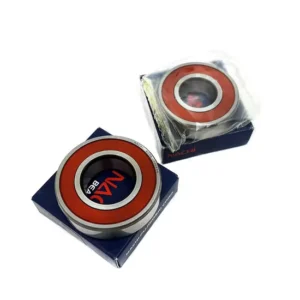
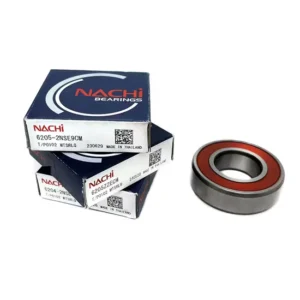
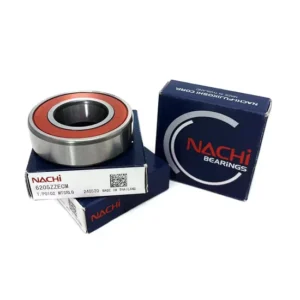
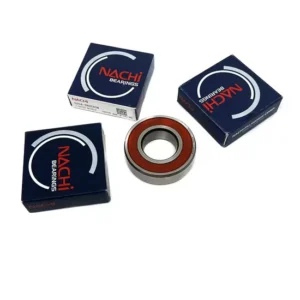
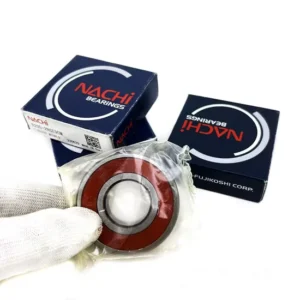
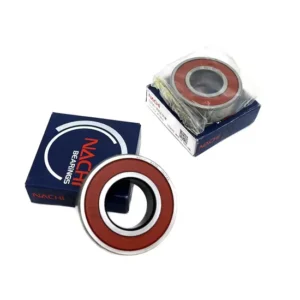
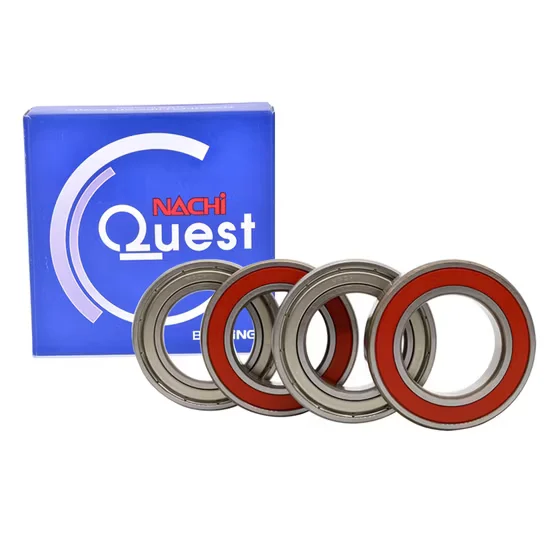
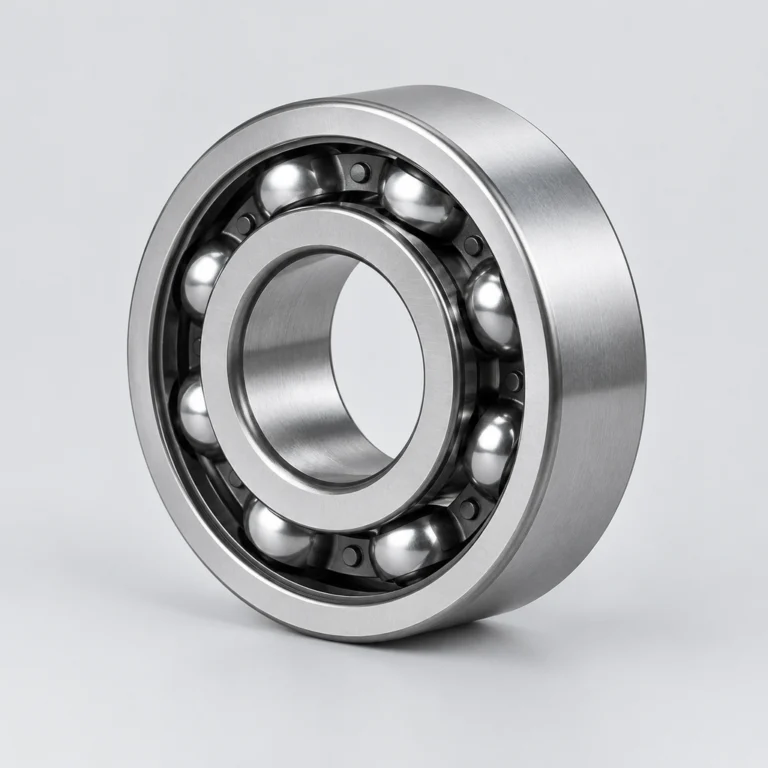
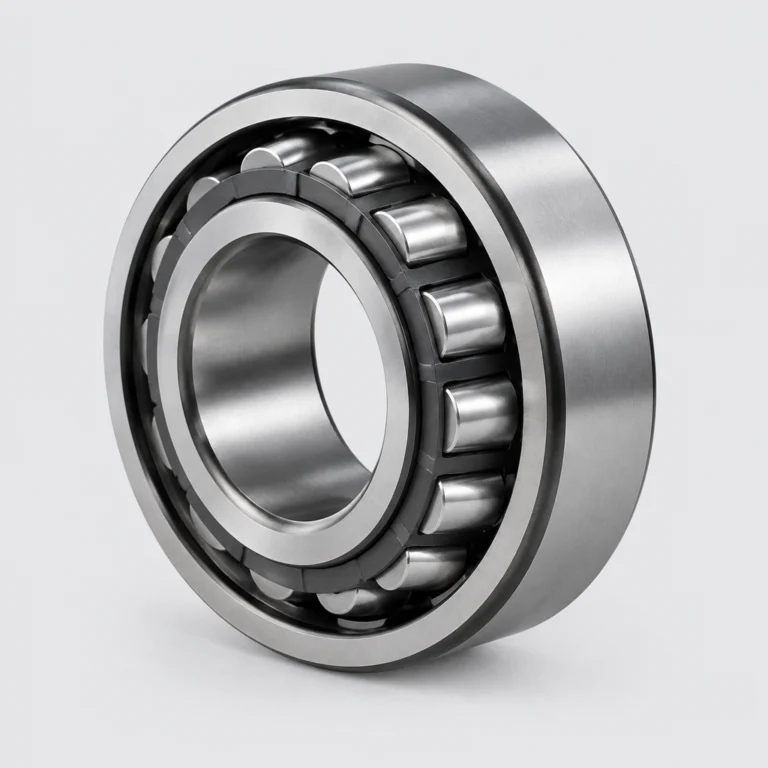
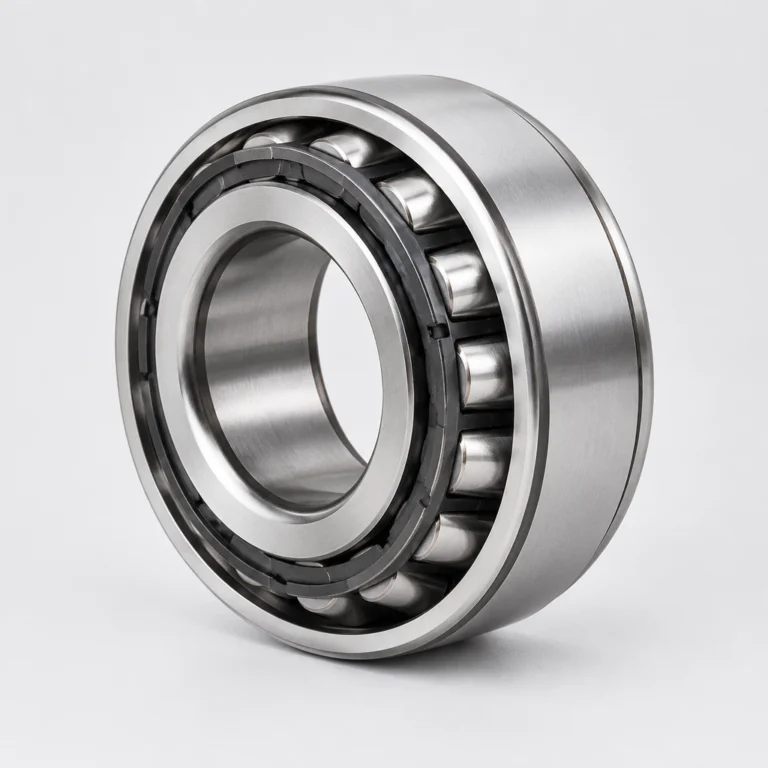
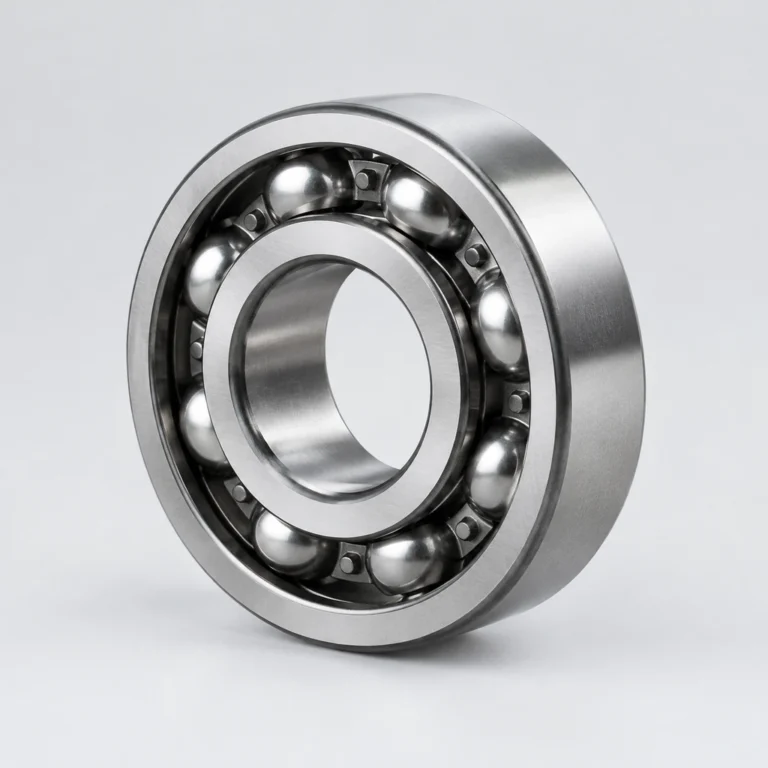
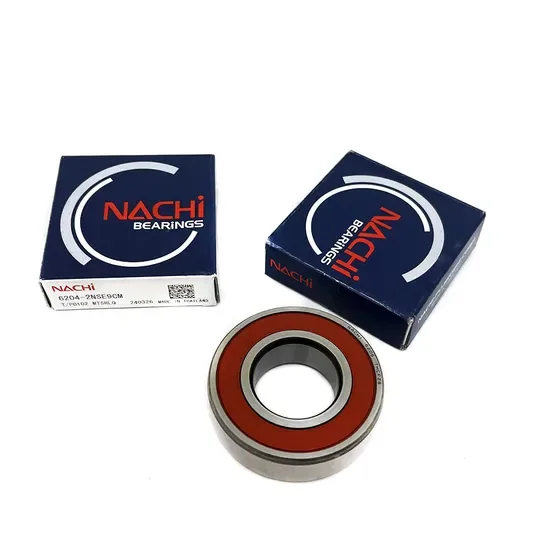
Original Batch Traceability — Every X&S deep groove ball bearing shipment includes manufacturer lot codes for full lifecycle tracking.
Technical Specifications
| Parameter | Value |
| Designation | 6211 6213 6215 6217 6218 6219 6220 6221 6222 6224 |
| Bearing Type | Deep Groove Ball Bearing |
| Load Direction | Radial Bearing |
| Lubrication | Grease or Oil |
| Feature | High Speed |
| Specification | Standard size |
| Origin | Shandong, China |
| HS Code | 8482102000 |
Application Suitability
| Industry | Typical Applications |
| Electric Motors | Rotor shaft support and cooling fan assemblies |
| Pumps | Impeller shaft radial stabilization |
| Conveyors | Drive roller and idler pulley journals |
| Gearboxes | High-speed input shaft radial support |
Why Improper Sealing Choices Destroy Electric Motor Windings
Dust ingress through mismatched shields causes catastrophic cage lockups.
Back in my early days supplying motors in Qingdao, a client swapped rubber seals for metal shields to cut costs on a batch of radial bearings. The airborne carbon dust bypassed the non-contact shields, jammed the cages, and burned out the entire motor lineup. Sourcing the right X&S 6211 6213 6215 6217 6218 6219 6220 6221 6222 6224 deep groove ball bearing requires matching the seal type to the exact environmental contamination level, not just the price tag. When maintenance teams ignore the specific particulate matter present in the facility, they inadvertently turn a minor procurement saving into a massive production loss. The internal geometry of these components is highly sensitive to abrasive particles, which act like lapping compound and rapidly degrade the raceway finish.

Aligning Radial Load Capacity with Rotational Demands
These standard size radial bearings handle continuous rotational forces in electric motors and pumps efficiently. When specifying an X&S 6211 6213 6215 6217 6218 6219 6220 6221 6222 6224 deep groove ball bearing, our engineering team cross-references your equipment's dynamic load requirements against the manufacturer's catalog data. This prevents undersizing, which leads to premature fatigue, and ensures the high-speed feature is fully utilized without thermal degradation. Proper alignment of the load vector is equally crucial; while these units excel at managing pure radial forces, any unintended axial thrust from misaligned couplings or belt tension must be carefully calculated. Overlooking these secondary forces often results in uneven load distribution across the rolling elements, accelerating localized wear and compromising the overall operational lifespan of the assembly.
Managing Contamination and Lubrication Variables
Electric motors and conveyors operate in environments where particulate matter and moisture constantly threaten internal geometries. Selecting between grease or oil lubrication depends entirely on the operating temperature and replenishment intervals available at the facility. While oil offers superior heat dissipation for high-speed applications, grease provides a thicker barrier against minor contamination. If the housing lacks effective external labyrinth seals, relying on an open bearing variant will inevitably lead to abrasive wear. Furthermore, the chemical compatibility of the lubricant with the cage material must be verified to prevent structural degradation over time. In humid or washdown environments, moisture ingress can emulsify the lubricant, stripping the protective film from the raceways and initiating surface corrosion long before mechanical fatigue occurs.
Decoding the Standard Size and High-Speed Architecture
The designation series covers a progressive range of outer diameters and widths, allowing maintenance teams to standardize inventory across different motor frame sizes. The high-speed capability is achieved through optimized internal geometry and precise raceway honing, which minimizes friction and heat generation at elevated RPMs. Since these base models are supplied without predefined seal or clearance suffixes, the final configuration must be specified during the procurement phase. Selecting the appropriate internal clearance is critical; a standard clearance might bind under thermal expansion in a hot pump housing, whereas a looser fit prevents cage stress. The standard size specification ensures direct dimensional interchangeability with legacy equipment, simplifying the replacement process without requiring housing modifications. Additionally, the precise honing of the raceways ensures that the rolling elements maintain a consistent hydrodynamic film, which is absolutely essential for damping vibrations and reducing acoustic noise in sensitive household appliance or precision gearbox applications.
The Financial Impact of Specification Mismatches
Installing a bearing with inadequate speed ratings or incorrect internal clearances triggers a cascade of mechanical failures. Unplanned downtime on a critical conveyor line halts production, while catastrophic damage to a pump shaft multiplies the repair expenses far beyond the component cost. According to industry frameworks, a significant share of premature failures stems from application mismatches rather than manufacturing defects. Warranty voidance is almost guaranteed when forensic analysis reveals improper lubrication or contamination ingress due to incorrect seal selection. The secondary damage caused by a seized bearing often destroys adjacent seals, shafts, and housings, turning a simple maintenance task into a major capital equipment overhaul that severely impacts the facility's overall operational efficiency and profitability.
Securing Authentic Components Through Verified Channels
Sourcing genuine X&S 6211 6213 6215 6217 6218 6219 6220 6221 6222 6224 deep groove ball bearing units requires strict supply chain oversight to avoid counterfeit materials. We provide complete traceability documentation, ensuring every batch originates directly from the manufacturer's production facilities. Our technical team verifies the exact seal and clearance suffixes against your specific motor or pump operational data, eliminating the guesswork that leads to field failures. Furthermore, our flexible consolidation services allow you to mix these standard radial models with specialized heavy-equipment bearings in a single shipment. This approach optimizes freight costs while maintaining rigorous quality assurance across your entire MRO inventory. By utilizing our extensive spot inventory, we can rapidly fulfill urgent maintenance requirements, ensuring that your critical production lines remain operational without enduring the typical multi-week lead times associated with direct factory orders.
Documentation & Authenticity
- Certificate of Conformity verifying the exact X&S designation and manufacturing origin.
- Original batch traceability codes linking each unit to the factory production run.
- Dimensional inspection reports confirming standard size tolerances before dispatch.
- Material certification validating the metallurgical composition of the rings and cages.
Storage, Handling & Mounting
- Keep the standard size bearings in their original anti-corrosion packaging until the exact mounting shift to prevent surface oxidation.
- Use clean lint-free gloves when handling the high-speed raceways to avoid transferring acidic skin oils.
- Apply induction heating for inner ring mounting to preserve the precise radial internal clearance.
- Ensure the grease or oil lubrication pathways in the housing are flushed before installing these radial units.
Engineering Data Required for Precision Selection
To finalize the exact suffix configuration for your application, please provide the continuous and peak radial loads, maximum operational RPM, and expected housing temperatures. Sharing the specific OEM motor or pump equipment numbers allows our team to perform a comprehensive cross-reference check. Detailing the environmental exposure, such as airborne dust or moisture levels, ensures we specify the correct sealing arrangement to protect the internal components. Additionally, providing information about the shaft and housing material, along with the expected thermal gradients during operation, allows us to calculate the precise internal clearance required to maintain optimal load distribution and prevent premature binding under varying operational conditions.
Frequently Asked Questions
Q: How do I determine the correct seal suffix for these motor bearings?
A: The choice depends on your facility's contamination levels and temperature constraints. Rubber contact seals offer superior dust exclusion for dirty environments but generate more friction, while metal shields suit cleaner, high-speed applications. Share your operational environment data, and our engineering team will recommend the optimal sealing configuration to prevent cage lockups.
Q: What standard size tolerances apply to this specific designation range?
A: These units are manufactured to standard dimensional tolerances, ensuring direct interchangeability with existing housings. We provide detailed dimensional inspection reports confirming the bore, outer diameter, and width deviations. This guarantees a proper fit without requiring any machining adjustments to your electric motor or pump assemblies during routine maintenance replacements.
Q: How should I choose between grease and oil lubrication for high-speed operations?
A: Oil lubrication is typically preferred for extreme high-speed applications due to its superior heat dissipation and cooling properties. Grease is more suitable for sealed setups where maintenance access is limited, providing a built-in barrier against minor contamination. Provide your operating temperature and speed parameters so we can specify the correct factory fill or recommend the ideal external lubrication method.
Q: Can you cross-reference these models with other international brands?
A: Yes, our technical team provides comprehensive cross-reference support to match these X&S designations with equivalent models from other premium global brands. This is particularly useful for consolidating your MRO inventory or finding immediate alternatives for urgent maintenance requirements. Simply provide your current part numbers, and we will verify dimensional and load-rating compatibility for your specific equipment.