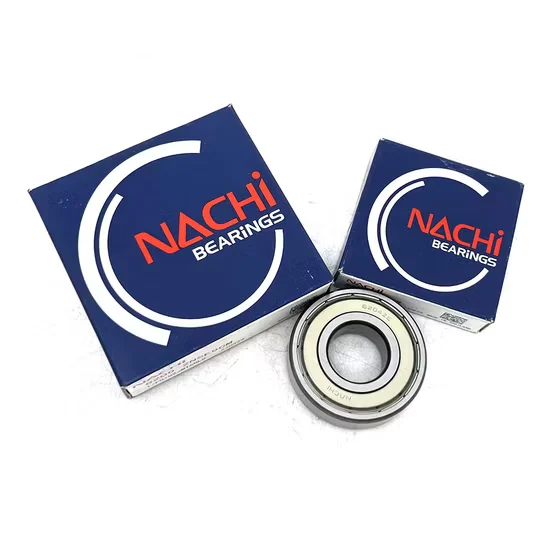
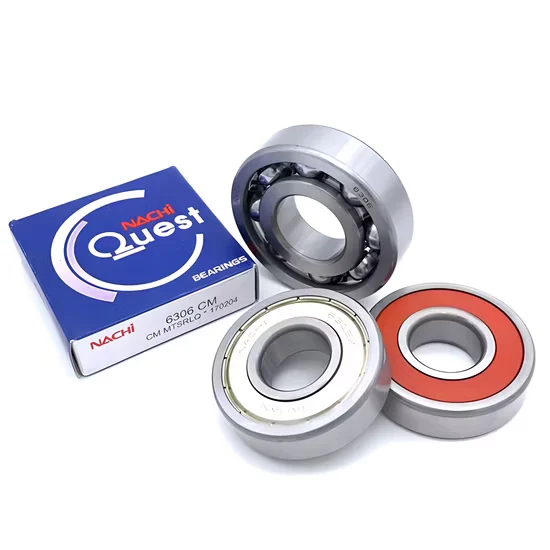
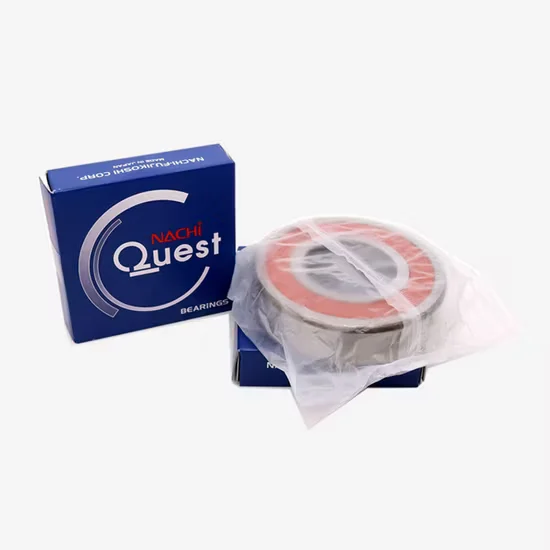
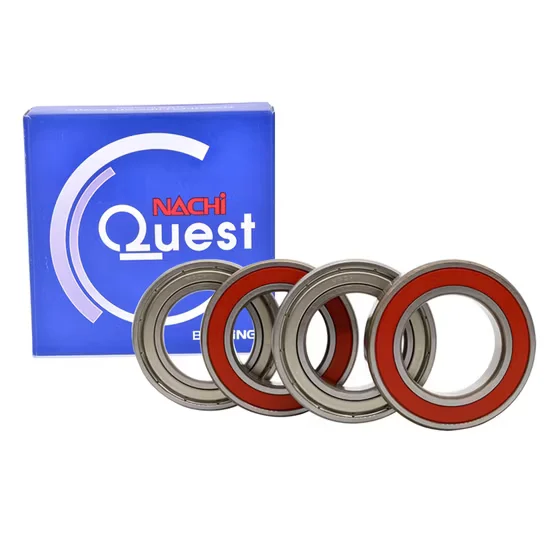
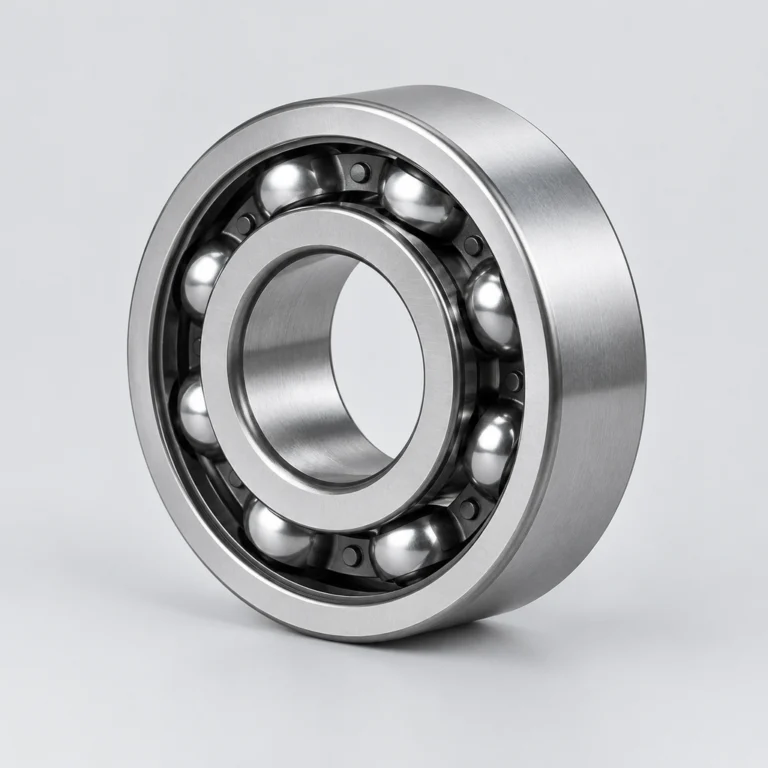
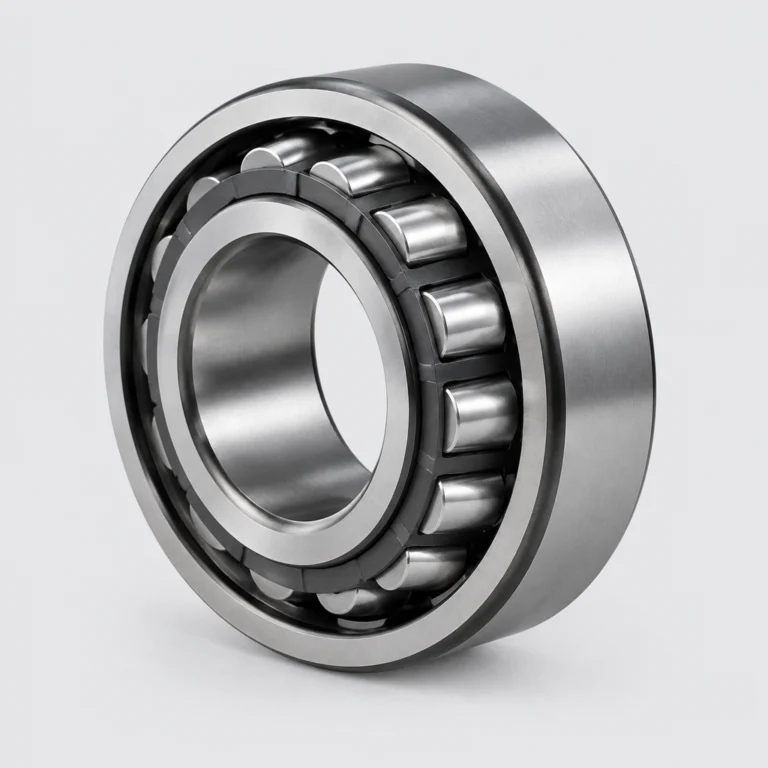
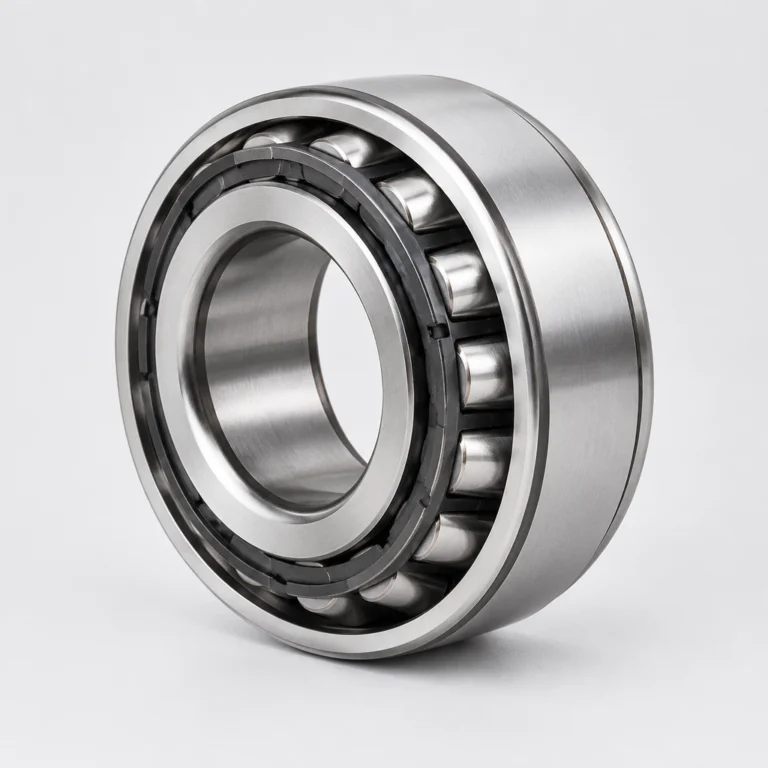
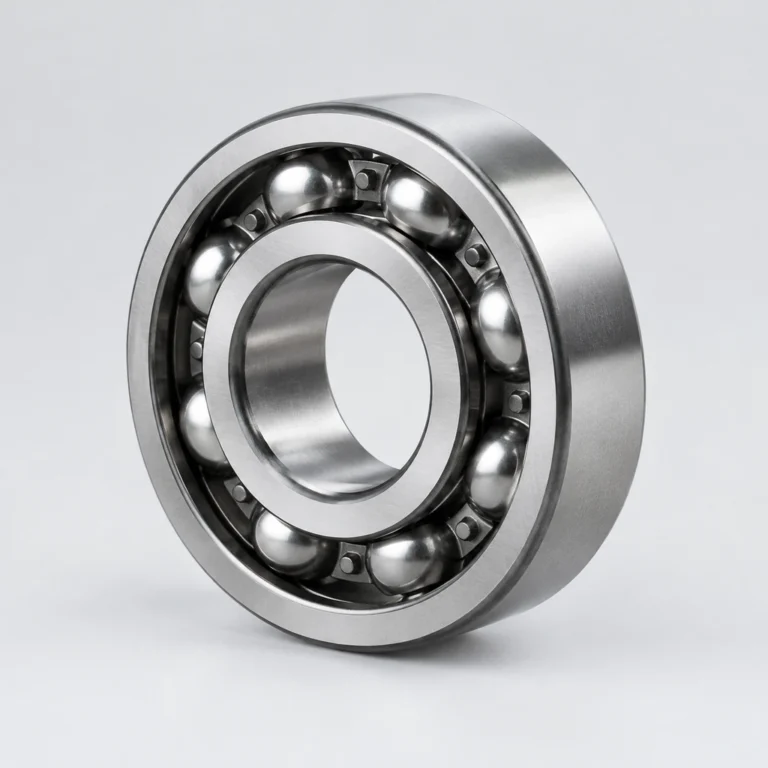
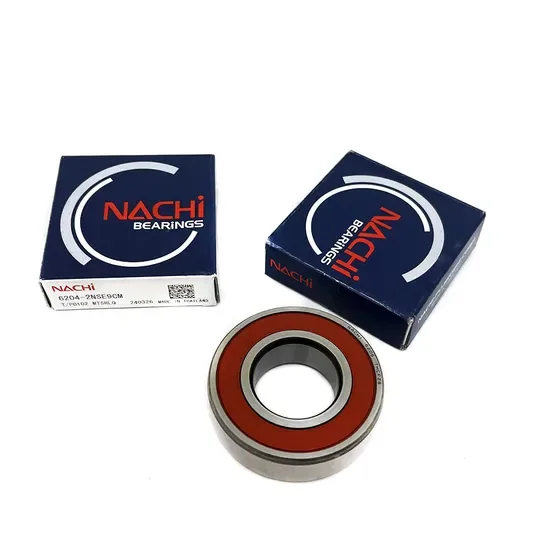
Original Batch Traceability — Every X&S MR683 MR1319 MR126ZZ 6304 6300 6307ZZ deep groove ball bearing ships with verifiable factory lot records to ensure authentic material pedigree and prevent counterfeit infiltration in critical automotive systems.
Technical Specifications
| Parameter | Value |
| Designation | MR683 MR1319 MR126ZZ 6304 6300 6307ZZ |
| Bearing Type | Deep Groove Ball Bearing |
| Rows Number | Single Row |
| Seal or Shield Type | ZZ / 2RS / Open |
| Precision Class | P0 / P6 / P5 / P4 |
| Material | Bearing Steel |
| Lubrication | Grease or Oil |
| Vibration Class | Z1V1 / Z2V2 / Z3V3 / Z4V4 |
| Load Direction | Radial Bearing |
| Origin | Shandong, China |
| HS Code | 8482102000 |
ZZ suffix in MR126ZZ and 6307ZZ is an unverified suffix requiring manufacturer catalog confirmation.
Application Suitability
| Industry | Typical Applications |
| Automotive | Alternators, starters, and idler pulleys |
| Industrial Machinery | Small electric motors and conveyor rollers |
| Fluid Power | Hydraulic pump shafts and gearboxes |
Why Dust Ingress Destroys Auto Alternators Before the X&S MR683 MR1319 MR126ZZ 6304 6300 6307ZZ deep groove ball bearing Fails
Metal shields cannot stop fine particulate matter in harsh environments.
During my field service years in Nigeria, I repeatedly diagnosed truck alternator seizures caused by inadequate sealing. The standard iron shields simply could not block the pervasive red dust, allowing abrasives to infiltrate the raceway and cause premature seizure. Switching the entire fleet to rubber-sealed variants immediately resolved the chronic downtime. This harsh reality proves that ignoring seal specifications in dusty climates guarantees catastrophic mechanical failure, regardless of the steel quality.

Matching Seal Configurations to African Road Conditions
When sourcing the X&S MR683 MR1319 MR126ZZ 6304 6300 6307ZZ deep groove ball bearing for mixed fleet maintenance, selecting the correct seal is absolutely critical for long-term survival. Our comprehensive consolidation service ensures you receive both open and rubber-sealed variants in a single container shipment, effectively preventing costly downtime caused by mismatched inventory on the shop floor. By aligning the exact seal type with the specific operating environment, maintenance teams can drastically extend the service intervals of heavy-duty automotive electrical components.
Radial Loads and Vibration Challenges in Powertrains
Automotive alternators and idler pulleys subject single-row radial bearings to continuous high-speed rotation combined with moderate radial loads and occasional belt-tension shocks. Elevated under-hood temperatures rapidly degrade standard grease formulations, making the careful selection between Z1V1 and Z4V4 vibration grades essential for noise-sensitive electric motors and cabin comfort. Proper seal selection must carefully balance friction heat generation against absolute dust exclusion, especially in arid regions where fine silica penetrates every gap. Furthermore, the internal clearance must accommodate thermal expansion to prevent the rolling elements from binding under extreme operational heat, ensuring consistent performance throughout the vehicle's lifespan.
Decoding Precision and Vibration Tolerances
The P0 to P4 precision classes dictate the exact running accuracy required for different automotive and industrial components. While standard P0 tolerance suffices for general idler pulleys and basic conveyors, P5 or P4 grades are mandatory to minimize radial runout in high-speed alternator shafts and precision gearboxes. Vibration ratings ranging from Z1V1 to Z4V4 directly correlate with acoustic noise levels, ensuring exceptionally smooth operation in sensitive electric motors and medical equipment. The single-row deep groove design handles pure radial loads highly efficiently, though its axial capacity remains inherently limited by the raceway geometry. Choosing between grease and oil lubrication ultimately depends on the specific operating temperature profile and the feasibility of scheduled relubrication intervals in the field.
The Hidden Cost of Incorrect Seal Selection
Specifying non-contact metal shields instead of contact rubber seals in heavily contaminated environments inevitably leads to rapid raceway scoring and unplanned vehicle downtime. Such premature failures completely void warranty claims and escalate overall fleet maintenance costs significantly across the operational lifecycle. According to established failure analysis frameworks, solid particulate contamination drastically reduces the calculated fatigue life of the rolling elements. Ignoring these environmental factors during the initial procurement phase transforms a minor component purchase into a major financial liability.
Securing Authentic Components for Mixed Fleet Orders
Sourcing genuine replacement components across multiple vehicle brands often creates severe supply chain friction for busy maintenance facilities and distributors. We efficiently consolidate mixed-size and mixed-brand packages into single container shipments, entirely eliminating the need to coordinate with disparate vendors and reducing freight costs. Our cross-brand equivalent model consultation ensures that reliable domestic Chinese lines accurately replace unavailable premium brands without compromising dimensional fitment or dynamic load capacity. Every single shipment includes complete traceability documentation, actively protecting your MRO operations from the severe risks of counterfeit parts circulating in the market. Highly flexible minimum order quantities effortlessly accommodate both urgent single-unit emergency spares and massive bulk project requirements for regional distributors.
Documentation & Authenticity
- Certificate of Conformity verifying the Shandong origin and X&S brand authenticity.
- Factory batch traceability records linking each MR126ZZ and 6307ZZ to its production run.
- Dimensional inspection reports confirming P0 through P4 tolerance compliance before dispatch.
- Material test certificates validating the bearing steel chemistry and heat treatment hardness.
Storage, Handling & Mounting
- Retain original moisture-barrier packaging until installation to prevent corrosion on the bearing steel races.
- Store P4 precision variants in climate-controlled environments to avoid thermal distortion of tight tolerances.
- Use clean lint-free gloves when handling open-type bearings to prevent skin acids from etching the raceways.
- Verify the 2RS rubber seal integrity before pressing into alternator housings to avoid lip damage during assembly.
Engineering Support for Your Next Procurement
To ensure optimal selection and prevent premature failures, please share your specific radial and axial load profiles along with precise operating speeds and ambient temperatures. Providing the original equipment manufacturer part numbers allows our dedicated engineering team to perform rigorous cross-reference verification against our extensive database. We will then recommend the ideal internal clearance class, precision grade, and seal configuration configured specifically for your exact application environment.
Frequently Asked Questions
Q: How do the ZZ and 2RS seals differ for these deep groove ball bearings?
A: The ZZ metal shields offer low-friction protection suitable for clean, high-speed electric motors. In contrast, 2RS rubber seals provide superior exclusion of fine dust and moisture, which is essential for automotive alternators operating in harsh, sandy environments. Selecting the wrong seal type drastically accelerates raceway wear and leads to early seizure.
Q: Can I mix P0 and P4 precision grades in a single bulk order?
A: Yes, our consolidation service supports mixed-precision packages within the same shipment. While P0 is adequate for standard conveyor rollers, P4 is necessary for high-speed automotive applications requiring minimal runout. We clearly separate and label each precision tier to prevent accidental misapplication during your maintenance operations.
Q: What vibration grade should I specify for noise-sensitive electric motors?
A: For noise-sensitive applications, specify Z3V3 or Z4V4 grades, which undergo stringent acoustic testing to minimize operational hum. Standard Z1V1 grades are sufficient for general industrial gearboxes where acoustic emissions are less critical. Matching the vibration class to the equipment's acoustic requirements prevents unnecessary rejection during final assembly testing.
Q: How do you handle cross-referencing for unavailable premium brands?
A: When a specific premium brand is out of stock, we provide technically equivalent alternatives from reliable domestic lines. Our engineering team verifies the internal geometry, clearance class, and load ratings to ensure exact dimensional interchangeability. This approach maintains equipment reliability while significantly reducing procurement lead times and overall costs.