
NACHI Bearing Technical Guide Product & Series Guides
NACHI 7206 Angular Contact Ball Bearing Wholesale Supplier
Mastering NACHI 7206 specs prevents CNC spindle overheating caused by miscalculated preload. This guide details the 30x62x16mm dimensions, 22.5 kN dynamic load rating, and precise pairing strategies. Learn to verify authenticity and internal clearance for reliable high-speed machining performance.
- Published
- By author
- nachioem · Specialized NACHI bearing supplier
Higher precision grades do not guarantee spindle stability if preload is miscalculated.
The core specifications for the NACHI 7206 angular contact ball bearing include a bore diameter of 30 mm, an outer diameter of 62 mm, and a width of 16 mm. It features a dynamic load rating of approximately 22.5 kN and a static load rating of 14.8 kN. For high-speed CNC applications, the critical factor is not just these dimensions but the precise calculation of paired preload and internal clearance to prevent thermal expansion from causing seizure. Selecting the correct arrangement, such as back-to-back or face-to-face, determines the rigidity and heat generation profile of the spindle assembly.
Having spent years on the floor of a CNC machine tool facility in Dongguan, I learned that theoretical datasheets often clash with physical reality during assembly. The moment a spindle locks up due to heat, the blame usually falls on the component quality, but the root cause is frequently a mismatch between the bearing’s internal geometry and the applied preload. This guide breaks down the technical nuances of this specific bearing series, focusing on how to avoid common installation failures that lead to costly downtime.
What Are the Core Specs of NACHI 7206?
Understanding the baseline parameters is essential before discussing advanced pairing strategies. The NACHI 7206 is a standard single-row angular contact ball bearing designed to accommodate combined radial and axial loads. Its physical envelope is defined by the 30x62x16mm dimension set, which fits into standardized spindle housings across various machine tool brands. However, the load capacity tells a more detailed story about its operational limits.
| Parameter | Specification Value | Application Note |
|---|---|---|
| Bore Diameter | 30 mm | Standard shaft fit for mid-size spindles |
| Outer Diameter | 62 mm | Housing bore compatibility check required |
| Width | 16 mm | Critical for axial spacing in paired sets |
| Dynamic Load Rating | ~22.5 kN | Basis for fatigue life calculation |
| Static Load Rating | ~14.8 kN | Limit for stationary heavy loads |
| Contact Angle | Typically 15 or 25 degrees | Determines axial load capacity ratio |
The dynamic load rating of 22.5 kN indicates the bearing can withstand significant rotational stress, but this value assumes ideal lubrication and alignment. In real-world scenarios, misalignment can reduce effective life drastically. The static load rating of 14.8 kN is crucial during transport or when the machine is idle under heavy tooling weight. Exceeding this limit can cause permanent deformation of the raceways, leading to vibration issues once the spindle starts rotating.
Speed limits are another critical spec. While generic charts might list a grease-lubricated limit around 10,000 to 13,000 rpm, this varies heavily with the preload class. A light preload allows for higher speeds but reduces rigidity, while a heavy preload increases stiffness at the cost of heat generation. Ignoring this trade-off is a common error among buyers who prioritize one metric over the system balance.
When sourcing from a NACHI 7206 angular contact ball bearing wholesale supplier, verify that the provided datasheet matches the specific series code, as suffixes often denote changes in internal clearance or cage material. A mismatch here can render the bearing unsuitable for high-frequency machining tasks.
How to Calculate Preload for Paired 7206 Bearings?
Single bearings rarely operate alone in precision spindles. They are typically paired in back-to-back (DB), face-to-face (DF), or tandem (DT) arrangements. The choice of arrangement dictates how the NACHI 7206 handles moment loads and thermal expansion. Back-to-back is the most common for rigid spindle supports, as it resists tilting moments effectively.
Preload calculation is not a guesswork exercise; it requires balancing the desired stiffness against the heat generated by friction. The process begins with determining the operating speed and the expected load direction. For high-speed applications, a light preload is preferred to minimize frictional heat. For heavy cutting operations where rigidity is paramount, a medium or heavy preload is necessary, even if it means limiting the maximum rotational speed.
- Determine the Load Case: Identify whether the primary load is radial, axial, or combined. Use the dynamic load rating of 22.5 kN as a baseline to ensure the equivalent dynamic load remains within safe limits.
- Select Preload Class: Choose between light, medium, or heavy preload based on the manufacturer’s guidelines. Light preload suits high-speed, low-load scenarios. Heavy preload is for low-speed, high-rigidity needs.
- Calculate Axial Displacement: Estimate the axial displacement caused by the preload. This value must be accommodated by the housing design to prevent excessive stress on the bearing rings.
- Verify Thermal Stability: Ensure that the heat generated by the selected preload can be dissipated by the lubrication system. If using grease, verify the filling volume is appropriate, as over-greasing is a frequent cause of overheating.
A case from a European machine builder illustrates this point. They experienced repeated spindle failures after switching to a new bearing source. The issue was not the bearing quality but the preload setting. The new batch had a slightly different internal clearance, which, when combined with their existing preload mechanism, created excessive friction. Adjusting the preload spacer thickness resolved the issue, highlighting the importance of verifying internal clearance alongside external dimensions.
When engaging with a NACHI 7206 angular contact ball bearing wholesale supplier, request detailed information on the internal clearance group of the supplied units. This data is vital for accurate preload calculation and ensures consistent performance across batches.
What Are the Critical Installation Dimensions?
Installation errors are a leading cause of premature bearing failure. The NACHI 7206 requires precise attention to the shaft and housing fits, as well as the abutment diameters. The shoulder diameters, denoted as da and Da, must be within specified limits to support the bearing rings correctly without interfering with the seals or cages.
The minimum shaft shoulder diameter (da) and the maximum housing shoulder diameter (Da) are critical for maintaining axial positioning. If the shaft shoulder is too small, the inner ring may not be fully supported, leading to fretting corrosion. If the housing shoulder is too large, it may interfere with the outer ring’s rotation or seal integrity.
| Dimension Feature | Recommendation | Risk of Deviation |
|---|---|---|
| Shaft Fit | Interference fit for inner ring | Slippage causing raceway damage |
| Housing Fit | Clearance fit for outer ring | Allowance for thermal expansion |
| Shoulder Diameter (da) | Strictly adhere to min limit | Poor axial support |
| Shoulder Diameter (Da) | Strictly adhere to max limit | Interference with outer ring |
Internal clearance is another key factor. The initial clearance before mounting differs from the operational clearance due to interference fits and temperature differences. A bearing with C3 clearance might behave like a C2 clearance once mounted on a tight-fitting shaft. Understanding this shift is crucial for predicting operational performance.
In a recent project involving a textile machinery manufacturer, inconsistent housing bores led to variable preload across multiple spindles. Some units ran hot, while others exhibited excessive play. The solution involved re-machining the housing bores to tighter tolerances and selecting bearings with matched internal clearance groups. This experience underscores the need for holistic system verification, not just component inspection.
Sourcing from a reliable NACHI 7206 angular contact ball bearing wholesale supplier ensures that the bearings meet strict dimensional tolerances, reducing the risk of installation-related failures. Verify that the supplier provides certification for dimensional accuracy and internal clearance consistency.
How to Verify Authenticity and Batch Consistency?
Counterfeit bearings pose a significant risk to industrial operations. They often look identical to genuine products but lack the material purity and precision manufacturing processes that define brands like NACHI. Verifying authenticity requires more than a visual check; it demands traceability documentation and physical inspection.
Genuine NACHI bearings come with specific marking codes and packaging features that can be verified against the manufacturer’s database. The steel quality, heat treatment, and grinding precision are consistent across authentic batches, ensuring predictable performance. Counterfeit units may use inferior steel, leading to early fatigue failure under normal load conditions.
Batch consistency is equally important for MRO and OEM applications. Variations in internal clearance or surface finish between batches can disrupt established maintenance schedules or assembly processes. A reputable supplier maintains strict quality control protocols to ensure that each batch meets the same high standards.
| Verification Method | Genuine Product Indicator | Counterfeit Risk Sign |
|---|---|---|
| Packaging | High-quality print, holographic seals | Blurry text, missing seals |
| Marking | Laser-etched, precise font | Stamped, irregular depth |
| Documentation | Full traceability, mill certs | Generic or missing docs |
| Surface Finish | Uniform, smooth grinding | Visible tool marks, roughness |
A Middle East distribution center once received a mixed shipment where half the bearings were counterfeit. The fake units failed within weeks, causing unplanned downtime for several clients. The investigation revealed subtle differences in the cage material and rolling element polish. Since then, they have implemented strict incoming inspection protocols, including hardness testing and dimensional verification, for all high-value bearing purchases.
Partnering with a trusted NACHI 7206 angular contact ball bearing wholesale supplier provides access to genuine products with complete traceability. This assurance is vital for maintaining operational reliability and protecting your brand’s reputation in the market.
Conclusion
Precision in specification and installation outweighs raw material grade in preventing spindle failure.
Mastering the NACHI 7206 requires a deep understanding of its 30x62x16mm dimensions, load ratings, and the critical role of preload in paired arrangements. By focusing on verified internal clearance, correct shoulder dimensions, and authentic sourcing, operators can significantly extend spindle life and reduce unplanned downtime. Reliable supply chains and technical diligence remain the best defenses against premature bearing failure.
Applications covered in this article
Products in this article
NACHI bearings mentioned above
These are the NACHI bearing types discussed in this guide. Open a product page to check its designation and send the exact suffix with your quantity.
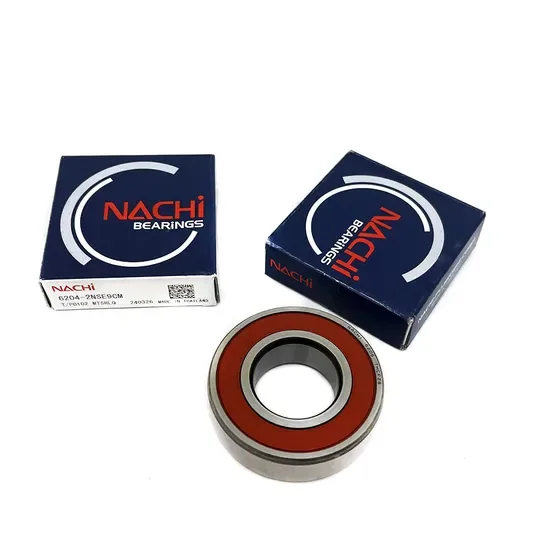
Deep Groove Ball Bearings
Genuine NACHI 608zz 6202 6201 Deep Groove Ball Bearing for Marine Equipment
View product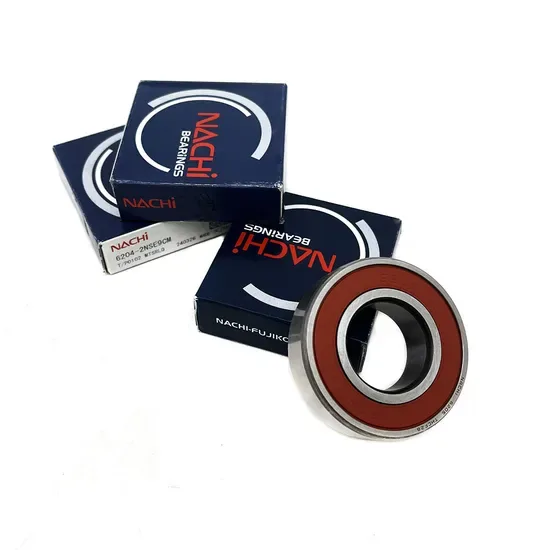
Deep Groove Ball Bearings
NACHI 608zz 16004 6201 Deep Groove Ball Bearing P6 P5 C3
View product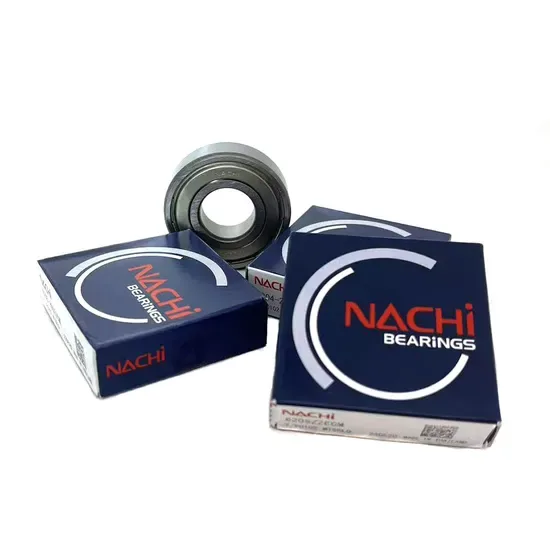
Deep Groove Ball Bearings
NACHI Deep Groove Ball Bearing 62301 608 6202 63008 63007 63006 6204 6301
View product Deep Groove Ball Bearings
Genuine NACHI P6 Deep Groove Ball Bearings 62208 62210 63002 63004 63006
View productModel check
Not sure which NACHI designation fits? We help with substitution, cross-reference and selection.
Send the old bearing number, the worn marking you can still read, or the application and shaft size. nachioem matches it to the correct NACHI model, including clearance, cage and seal options, before you order.
- Substitution for discontinued models
- Cross-reference to NACHI numbers
- Selection for spindles, pumps and reducers
Keep reading
Related NACHI bearing technical articles
More practical guides on NACHI suffixes, replacement and selection for machine tools, automotive, construction machinery, pumps and gear reducers.
Oct 8, 2026 · Product & Series Guides · 6 min read
NACHI 25TAB06 Dimensions Preload Wholesale Supplier
Master NACHI 25TAB06 dimensions preload specifications to prevent spindle seizure caused by mismatched shaft tolerances. Learn how DB and DF pairing configurations impact axial…
Read the article Oct 8, 2026 · Product & Series Guides · 8 min read
NACHI 7008CYDU/GLP4 Angular Contact Ball Bearing Wholesale Supplier
Master NACHI 7008CYDU/GLP4 specs to prevent spindle thermal seizure and ensure P4 precision. Learn how correct DU pairing configurations and preload selection directly impact…
Read the article Oct 8, 2026 · Product & Series Guides · 7 min read
NACHI 6007ZZE Bearing Wholesale Supplier for Bulk Orders
Master NACHI 6007ZZE specs to prevent installation damage and premature failure in dusty environments. Verify genuine 35x62x14mm dimensions, load ratings, and grease speed limits…
Read the article
Request a quote
Send your NACHI model list. We quote fast.
List the NACHI model numbers with full suffixes and the quantity for each. nachioem replies online as quickly as possible with pricing for distributors, repair shops and end users worldwide.
- info@nachioem.com
- WhatsApp +1 (702) 981-5880
- Online replies as quickly as possible
- Global delivery by DHL, FedEx, UPS, air or sea