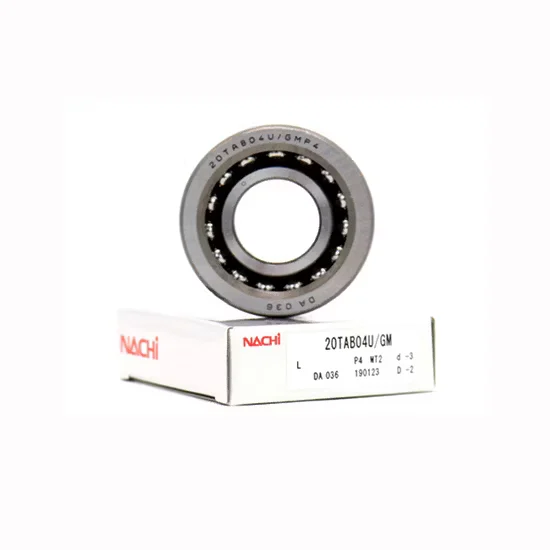
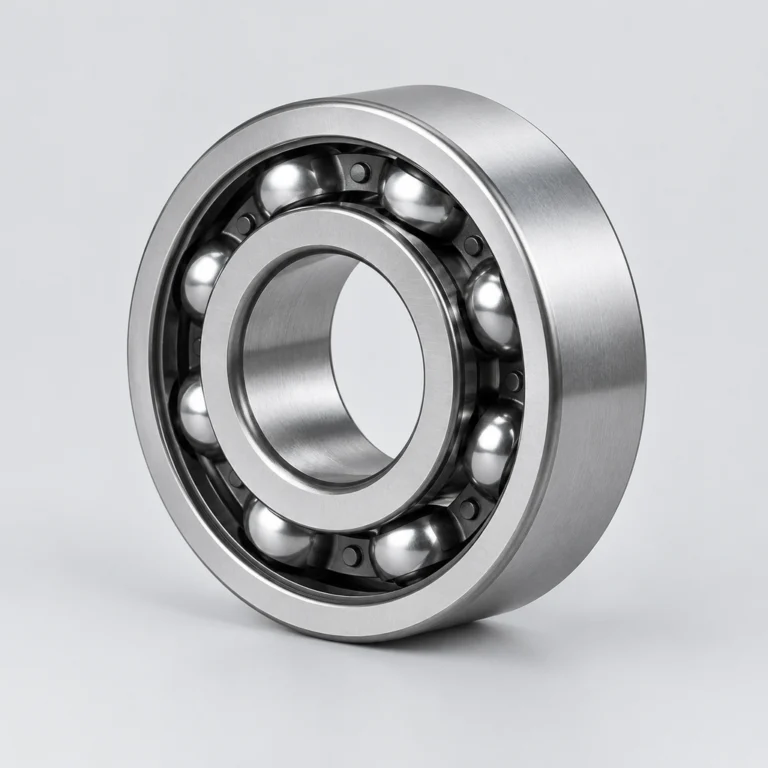
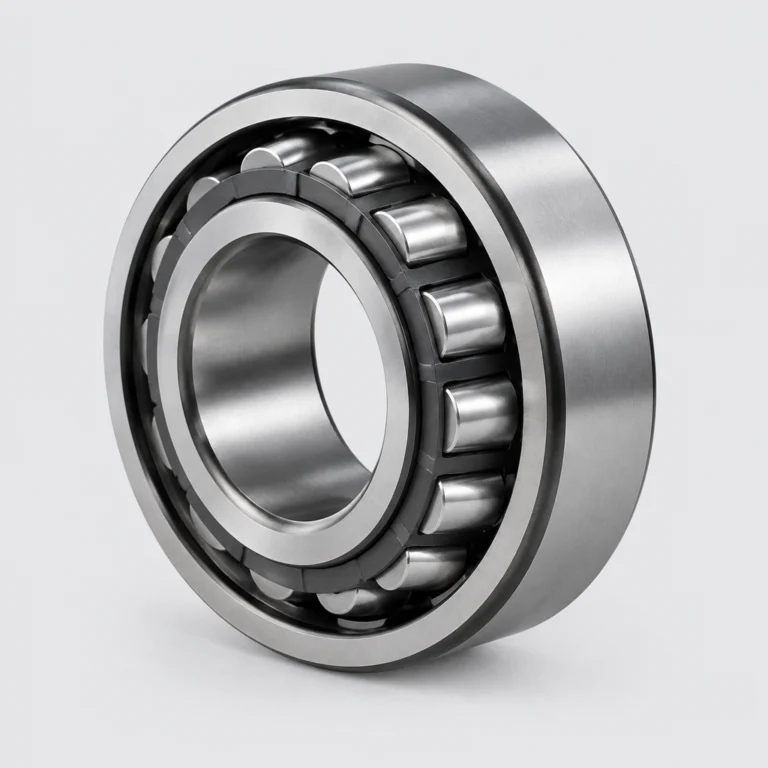
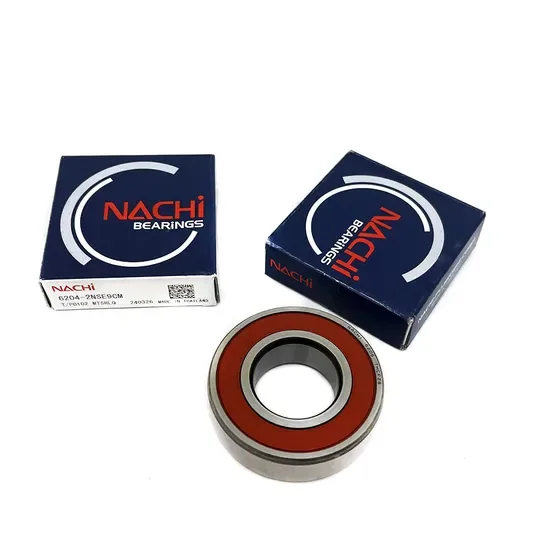
Unified Multi-Brand Sourcing — Consolidate this NACHI 24018CDKE4 spherical roller bearing with SKF or FAG equivalents in a single shipment without juggling multiple vendors.
Technical Specifications
| Parameter | Value |
| Designation | NACHI 24018CDKE4 |
| Bearing Type | Spherical Roller Bearing |
| Bore Diameter (d) | 90 mm |
| Outside Diameter (D) | 140 mm |
| Width (B) | 50 mm |
| Bore Type | 1:12 Tapered Bore (K suffix) |
| Number of Rows | Double |
| Material | Bearing Steel |
| Origin | Japan |
| Clearance Class | Available in C0, C3, C4 |
| Precision Class | Available in P0 to P2 |
Application Suitability
| Industry | Typical Applications |
| Mining & Quarrying | Vibrating screen eccentric shafts, crusher mainframes |
| Metallurgy & Steel | Continuous caster roll segments, rolling mill gearboxes |
| Construction | Heavy-duty excavator swing circles, paver screed vibrators |
Why Ignoring the K Suffix Destroys the NACHI 24018CDKE4 spherical roller bearing Before It Spins
Mounting a tapered bore directly on a cylindrical shaft without an adapter sleeve guarantees immediate inner ring fracture.
I have witnessed this exact catastrophic failure on a primary vibrating screen at a Chilean copper mine. The local maintenance crew attempted to force a tapered bore bearing onto a straight cylindrical shaft using an oxy-acetylene blowtorch, completely ignoring the required interference fit parameters and the critical clearance reduction that occurs during* the combined thermal and mechanical shock, seizing the eccentric shaft and leading to weeks of unplanned downtime. This harsh reality proves that understanding the specific bore geometry is just as critical as selecting the correct load rating.

Aligning Double-Row Geometry with Heavy Radial Shock Loads
When processing high-tonnage ore or managing continuous casting operations, industrial equipment faces severe radial impacts and constant shaft misalignment. The NACHI 24018CDKE4 spherical roller bearing accommodates these complex angular deflections through its self-aligning outer ring raceway and optimized double-row rolling element profile. Our engineering team frequently supplies this exact configuration to global mining and metallurgy clients who need to consolidate mixed-brand heavy machinery orders. By securing genuine Japanese-manufactured units alongside other critical spares, we eliminate the logistical friction of juggling multiple vendors while ensuring every component meets the rigorous demands of continuous heavy-duty operation.
Managing Contamination and Thermal Expansion in Harsh Environments
Vibrating screens and crushing plants operate in heavily contaminated environments where fine particulate matter constantly threatens to infiltrate housing seals. Selecting the appropriate radial clearance is absolutely critical in these scenarios, as tight shaft fits and thermal expansion from continuous high-frequency vibration drastically reduce the internal operating gap. If the initial internal clearance is insufficient, the rolling elements will inevitably bind, generating excessive friction heat and accelerating lubricant degradation. Establishing proper relubrication intervals and specifying reliable housing seals are mandatory practices to prevent premature wear and protect the internal geometry from abrasive dust ingress.
Decoding the Tapered Bore and Suffix Nuances
The prominent K suffix in the designation indicates a precise 1:12 tapered bore, which requires precise mounting on an adapter sleeve or a custom-machined tapered shaft to achieve the correct interference fit. During the installation sequence, the driving distance on the sleeve directly dictates the residual radial clearance; over-tightening the lock nut eliminates the operating gap entirely and causes immediate operational failure. Understanding the exact interference fit requirements prevents costly mismatches and ensures the replacement unit integrates flawlessly with your existing heavy machinery infrastructure.
The Financial Impact of Misaligned Internal Clearances
Specifying a standard internal clearance for a high-vibration, high-temperature application often results in internal binding, excessive heat generation, and catastrophic cage failure. According to established ISO 15243 frameworks, installation errors and incorrect clearance selection account for a significant share of premature bearing failures in heavy industrial equipment. These preventable mistakes inevitably lead to extended unplanned downtime, severe secondary damage to the shaft and housing, and completely voided equipment warranties. The financial burden of replacing a destroyed shaft far exceeds the initial cost of consulting an expert to verify the correct clearance class and mounting procedure.
Securing Traceability and Technical Accuracy for Critical Spares
Sourcing authentic Japanese-manufactured bearings requires strict verification of origin and packaging to completely eliminate counterfeit risks in your supply chain. We provide complete batch traceability for every single unit shipped, ensuring the metallurgical integrity perfectly matches the manufacturer's production facilities. Our technical team actively reviews your specific suffix requirements, deliberately flagging the K bore dimensions to prevent disastrous installation errors on site. Furthermore, we efficiently consolidate this specific model with other premium global brands in a single consolidated shipment, significantly optimizing freight costs and simplifying inventory management for your critical MRO requirements.
Documentation & Authenticity
- Certificate of Conformity confirming Japan origin and genuine NACHI manufacturing.
- Original batch number traceability linking the physical unit to factory production records.
- Dimensional inspection report verifying the 1:12 tapered bore angle before dispatch.
- Material certification validating the bearing steel composition for heavy-load durability.
Storage, Handling & Mounting
- Keep the NACHI 24018CDKE4 in its original unopened packaging to protect the anti-corrosion coating from humidity.
- Use induction heaters rather than open flames when mounting the 90 mm tapered bore to prevent inner ring thermal cracking.
- Measure the drive-up distance on the adapter sleeve carefully to retain the specified C3 or C4 residual clearance.
- Apply clean lint-free gloves when handling the exposed double-row rolling elements to avoid sweat-induced surface corrosion.
Preparing Your Technical Data for Accurate Selection
To ensure the selected clearance class and adapter sleeve perfectly match your specific vibrating screen or crusher application, please provide the operating radial loads, rotational speeds, and expected ambient temperatures. If you are replacing an existing failed unit, sharing the original equipment manufacturer part number allows our engineering team to perform a precise cross-reference verification. This comprehensive technical review guarantees the tapered bore geometry and internal specifications align flawlessly with your shaft dimensions, preventing costly installation delays and ensuring optimal operational longevity.
Frequently Asked Questions
Q: How do I verify the authenticity of the NACHI 24018CDKE4 spherical roller bearing?
A: Authenticity is confirmed through original factory packaging, intact security seals, and verifiable batch numbers. We supply a Certificate of Conformity and material inspection reports with every shipment. Buyers can also cross-check the physical dimensions and the specific 1:12 tapered bore geometry against official manufacturer catalogs to ensure genuine Japanese origin.
Q: What does the K suffix mean for mounting this spherical roller bearing?
A: The K suffix designates a 1:12 tapered bore, meaning the bearing cannot be pressed directly onto a standard cylindrical shaft. It must be mounted using an appropriate adapter sleeve or a specifically machined tapered shaft. The installation process requires measuring the drive-up distance to achieve the correct interference fit without eliminating the internal radial clearance.
Q: How should I choose between C0, C3, and C4 radial clearances?
A: Standard C0 clearance suits normal operating conditions, while C3 and C4 provide extra internal gap for applications involving high temperatures, heavy interference fits, or significant thermal expansion. For vibrating screens and crushers where shaft deflection and heat generation are common, a larger clearance prevents the rolling elements from binding during operation.
Q: What are common failure modes for spherical roller bearings in vibrating screens?
A: In vibrating screens, the most frequent failure modes include fatigue spalling from excessive radial shock loads, cage wear due to inadequate lubrication, and inner ring fractures caused by improper mounting. Misalignment and contamination from fine ore dust also accelerate wear. Ensuring correct adapter sleeve tightening and reliable housing seals significantly mitigates these risks.
Q: How do I interpret unverified suffixes like CD and E4 in the designation?
A: While the K suffix definitively indicates a 1:12 tapered bore, the CD and E4 suffixes require direct confirmation against the latest official manufacturer catalog. These codes may denote specific cage designs, internal geometry modifications, or special heat treatments. We strongly recommend consulting our engineering team to verify these exact attributes before placing a bulk order.