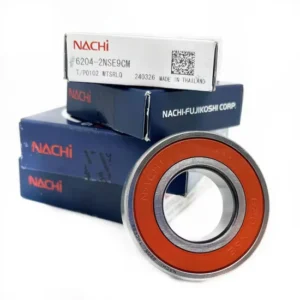
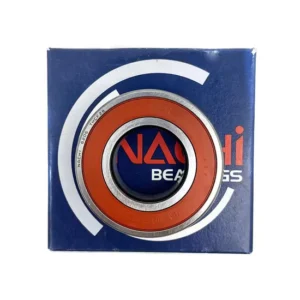
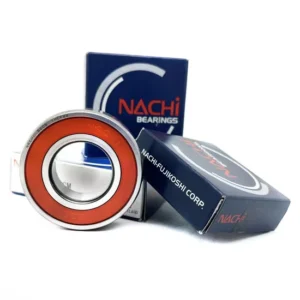
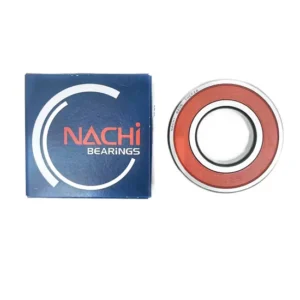
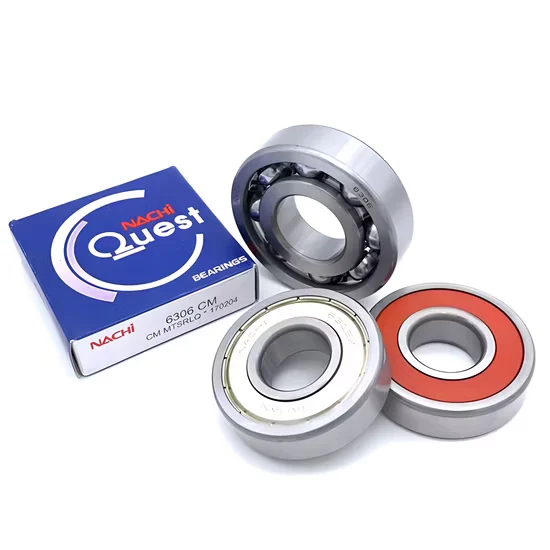
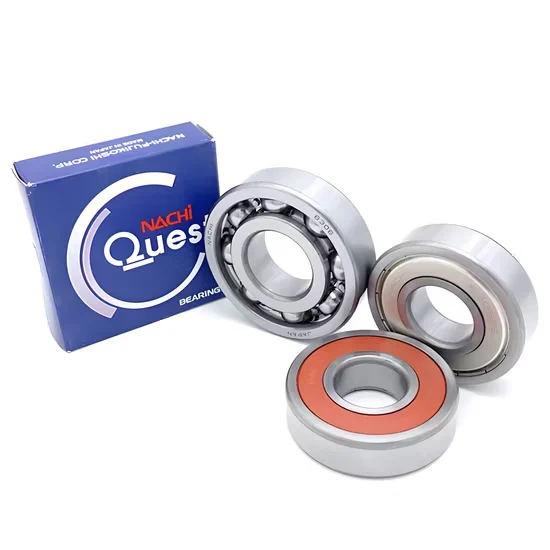
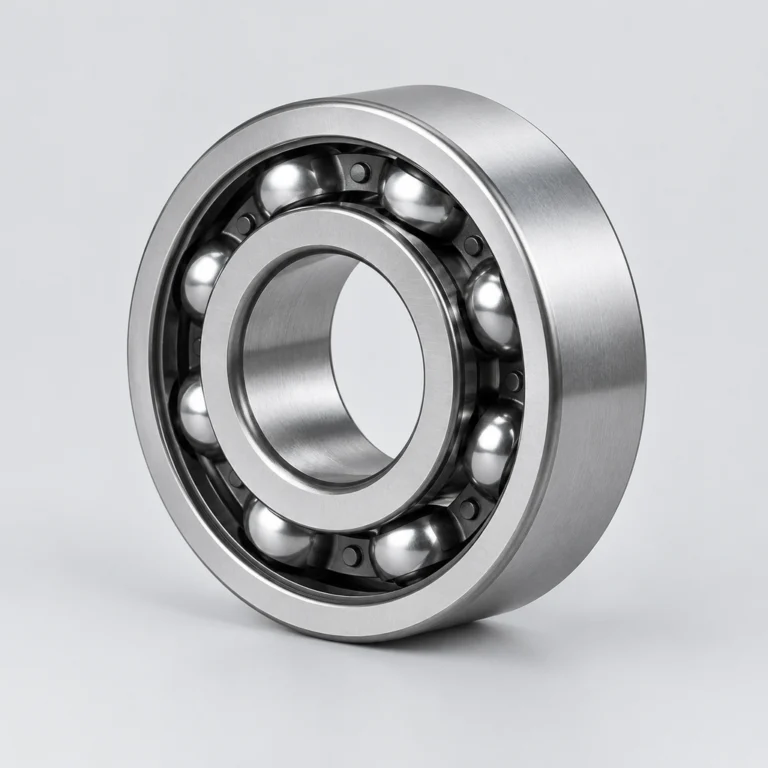
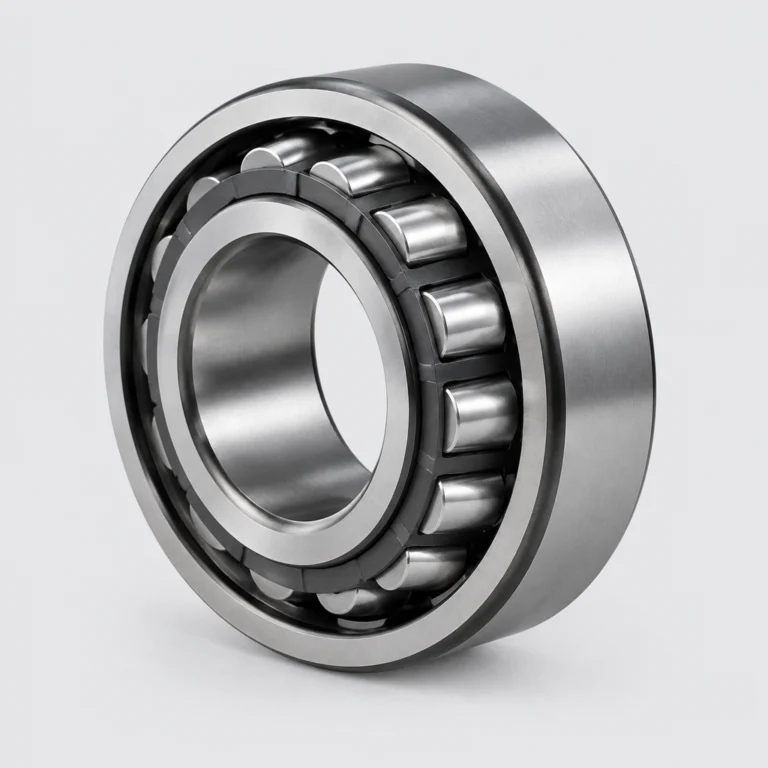
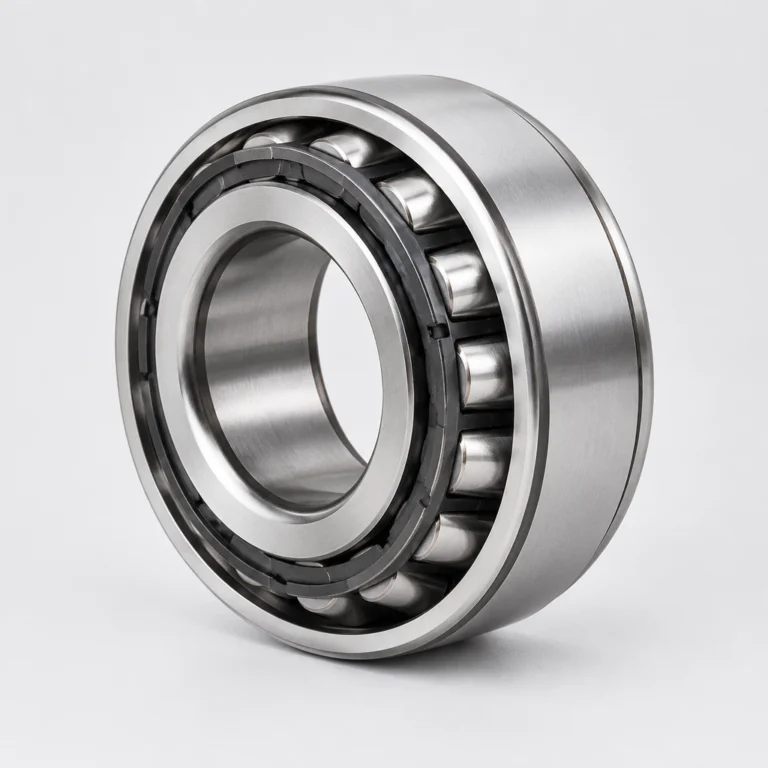
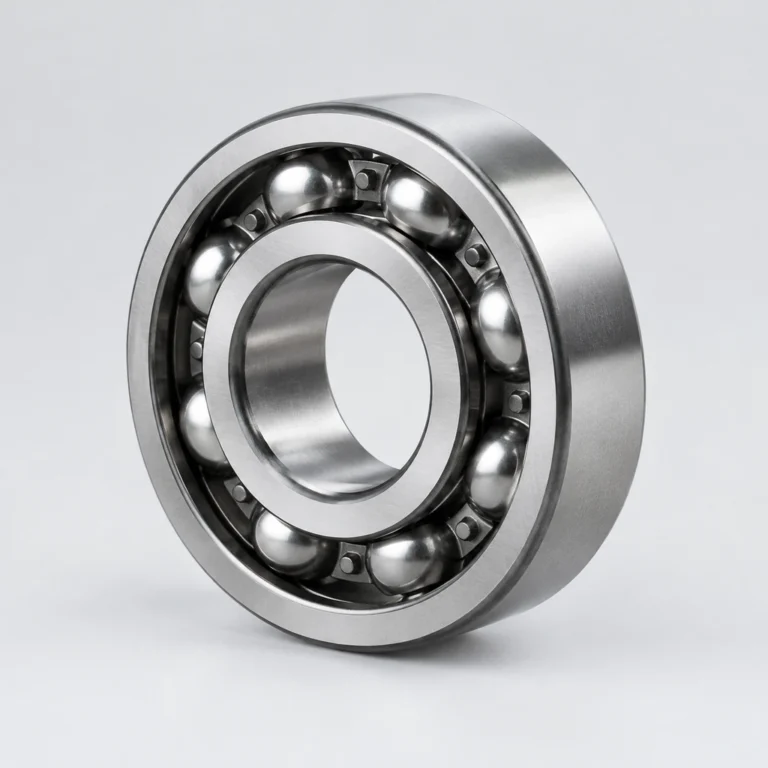
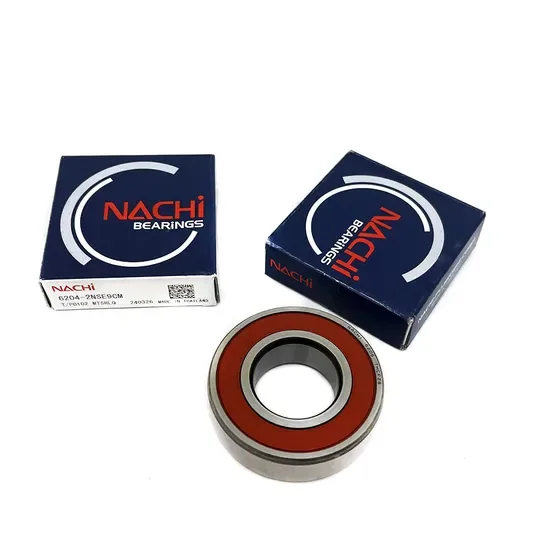
Traceable Batch Origins — Every 6001 6002 6003 6004 6005 deep groove ball bearing ships with verifiable mill heat-treatment records.
Technical Specifications
| Parameter | Value |
| Designation | 6001 6002 6003 6004 6005 |
| Bearing Type | Deep Groove Ball Bearing |
| Precision Class | P0, P6, P5, P4 |
| Material | Bearing Steel |
| Vibration Grade | Z1V1, Z2V2, Z3V3, Z4V4 |
| Seal or Shield Type | Zz, 2RS, Open |
| Lubrication | Grease or Oil |
| Origin | Shandong Province, China |
Application Suitability
| Industry | Typical Applications |
| Electric Motors | Rotor shaft support, cooling fan drives |
| Pumps | Impeller shaft stabilization, centrifugal pump drives |
| Conveyors | Drive roller journals, tail pulley bearings |
| Gearboxes | High-speed input shafts, intermediate gear support |
Why Standard Clearance Fails in Continuous Motor Duty
Thermal expansion during summer peaks turns nominal internal clearance into a destructive interference fit.
I learned this the hard way in a Dongguan workshop when a standard CN clearance setup seized a water pump motor mid-July. When sourcing a 6001 6002 6003 6004 6005 deep groove ball bearing for continuous rotational loads, ignoring the thermal growth of the shaft leads to catastrophic overheating. The inner ring expands faster than the outer ring, squeezing the rolling elements and generating immense friction. Selecting the correct internal clearance prevents the rolling elements from skidding under heat-induced preload, ensuring the motor survives peak ambient temperatures without burning out the windings.

Aligning Seal and Precision Choices with Motor Environments
When specifying a 6001 6002 6003 6004 6005 deep groove ball bearing, the operating environment strictly dictates the seal configuration and precision class. Our mixed-brand sourcing capability ensures you get the exact Zz shielded or 2RS contact-sealed variants required, whether the motor operates in a clean assembly line or a dusty agricultural setting. A pump motor exposed to water spray demands the tight sealing lip of a 2RS variant, whereas an enclosed gearbox fan can rely on the low-friction Zz shield. Matching these physical barriers to the specific contamination profile prevents abrasive ingress while minimizing unnecessary drag on the rotor shaft.
Managing Radial Loads and High-Speed Thermal Limits
Electric motors impose steady radial loads combined with high rotational speeds that generate internal friction heat. If the lubrication degrades or the seal creates excessive drag, the localized temperature spikes rapidly, breaking down the grease film. Choosing between grease-filled 2RS seals and oil-lubricated open types depends entirely on the maintenance interval and the cooling capacity of the motor housing. Inadequate heat dissipation accelerates lubricant oxidation, leading to dry running conditions that destroy the raceway surface. Properly balancing the seal friction against the cooling mechanism is essential to maintain a stable operating temperature throughout the motor's lifecycle.
Decoding Vibration Grades and Precision Tolerances
The Z1V1 through Z4V4 vibration classifications directly correlate with the acoustic noise and dynamic smoothness of the motor rotor. A P4 precision rating minimizes radial runout, which is critical for high-speed spindle motors where microscopic deviations cause severe harmonic resonance. Conversely, a P0 rating suffices for general-purpose cooling fans where cost-efficiency outweighs ultra-smooth rotation. The bearing steel construction provides the necessary core hardness to withstand continuous Hertzian contact stresses without spalling. Upgrading to a Z3V3 or Z4V4 grade significantly reduces the audible hum in household appliances, directly improving the perceived quality of the final equipment.
The Downtime Penalty of Incorrect Seal and Clearance Pairing
Specifying an open bearing in a contaminated environment without external sealing leads to rapid abrasive wear and premature failure. Conversely, using a high-friction 2RS seal in a high-speed application generates excess heat, breaking down the grease and causing the cage to fail catastrophically. These misconfigurations result in unplanned downtime and voided equipment warranties, far exceeding the initial component savings. When the wrong clearance is paired with a tight interference fit, the resulting axial load can snap the shaft or strip the threads during disassembly. Avoiding these hidden costs requires a rigorous evaluation of both the mechanical fit and the environmental exposure before finalizing the purchase order.
Sourcing Exact Configurations Without Multi-Vendor Delays
Procuring precise variants like a P5-rated, Z3V3 shielded unit often involves managing fragmented inventories across different suppliers. We consolidate these specific 6001 6002 6003 6004 6005 deep groove ball bearing requirements into single shipments, eliminating the coordination delays typical of multi-brand projects. Every batch includes complete traceability documentation, ensuring the vibration and precision grades match your motor assembly specifications exactly. Instead of juggling separate orders for shielded and open types, our unified logistics approach delivers the exact mix of sizes and seal configurations needed for your production line, keeping your assembly schedules on track without compromise.
Documentation & Authenticity
- Mill heat-treatment certificates verifying the bearing steel hardness and microstructure.
- Dimensional inspection reports confirming P0 to P4 radial runout tolerances.
- Vibration testing logs validating Z1V1 to Z4V4 acoustic performance grades.
- Origin declarations matching the Shandong Province manufacturing facility and HS code.
Storage, Handling & Mounting
- Keep Zz shielded units in original packaging to prevent moisture ingress before motor assembly.
- Use induction heating for inner ring mounting to preserve the precise P4 dimensional tolerances.
- Avoid washing 2RS contact-sealed variants, as solvents degrade the factory-applied grease fill.
- Store open-type bearings in climate-controlled environments to protect the bare bearing steel raceways.
Engineering Review for Motor Integration
Provide your motor shaft dimensions, operating temperature range, and expected radial loads so our team can verify the optimal clearance class. Share the OEM equipment model numbers to cross-reference the exact seal and precision requirements for your specific application. Detailing the ambient conditions and duty cycle allows us to recommend whether a C3 clearance or a standard group is more appropriate for your thermal profile. This technical review ensures the selected configuration delivers maximum service life under your exact operational parameters.
Frequently Asked Questions
Q: How do Zz steel shields and 2RS contact seals differ for electric motors?
A: Zz shields offer non-contact protection against large dust particles with minimal friction, making them ideal for high-speed motor applications. In contrast, 2RS rubber contact seals provide superior exclusion of fine contaminants and moisture but introduce higher frictional torque, which is better suited for moderate-speed or heavily contaminated environments.
Q: What distinguishes P0, P6, P5, and P4 precision ratings in motor applications?
A: P0 is the standard class suitable for general-purpose motors where slight vibration is acceptable. P6 and P5 offer tighter dimensional tolerances for reduced noise in household appliances and industrial pumps. P4 provides the strictest runout control, essential for high-speed precision spindle motors where minimal radial deviation is critical for rotor stability.
Q: How do Z1V1 to Z4V4 vibration grades impact motor performance?
A: These grades measure the acoustic noise and dynamic vibration generated during rotation. Z1V1 represents standard commercial limits, while Z4V4 indicates ultra-low vibration and whisper-quiet operation. Selecting a higher grade ensures smoother rotor dynamics, which is crucial for sensitive medical equipment or high-end household appliances where noise reduction is a primary design requirement.
Q: Should I choose grease or oil lubrication for high-speed electric motor bearings?
A: Grease is typically preferred for sealed or shielded setups due to its simplicity and maintenance-free lifecycle, effectively handling moderate to high speeds. Oil lubrication is reserved for open-type bearings in specialized high-speed spindles where external cooling and continuous oil circulation are available to manage the significant heat generated at extreme rotational velocities.