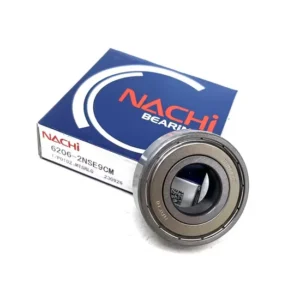
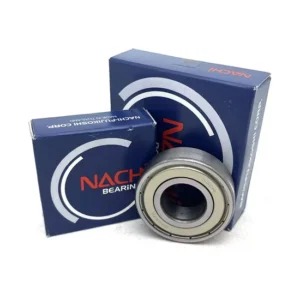
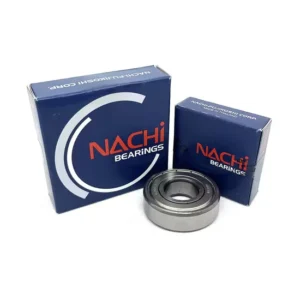
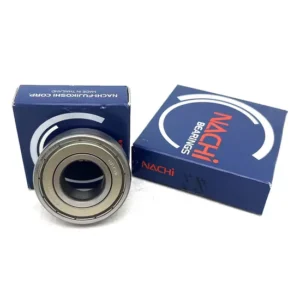
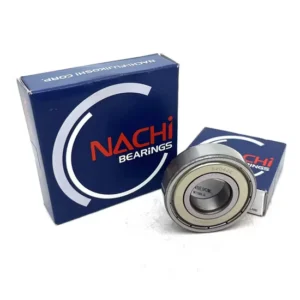
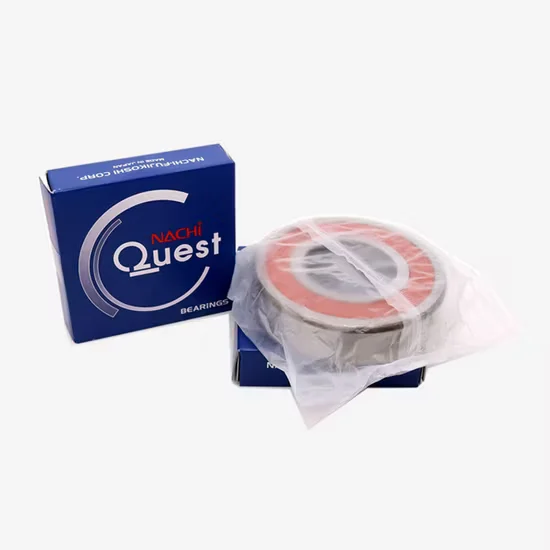
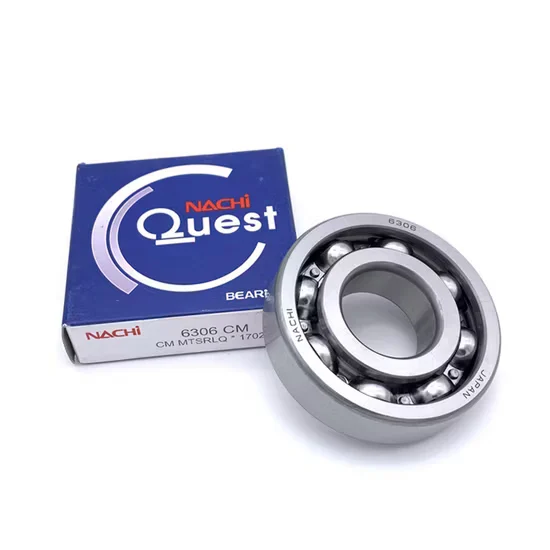
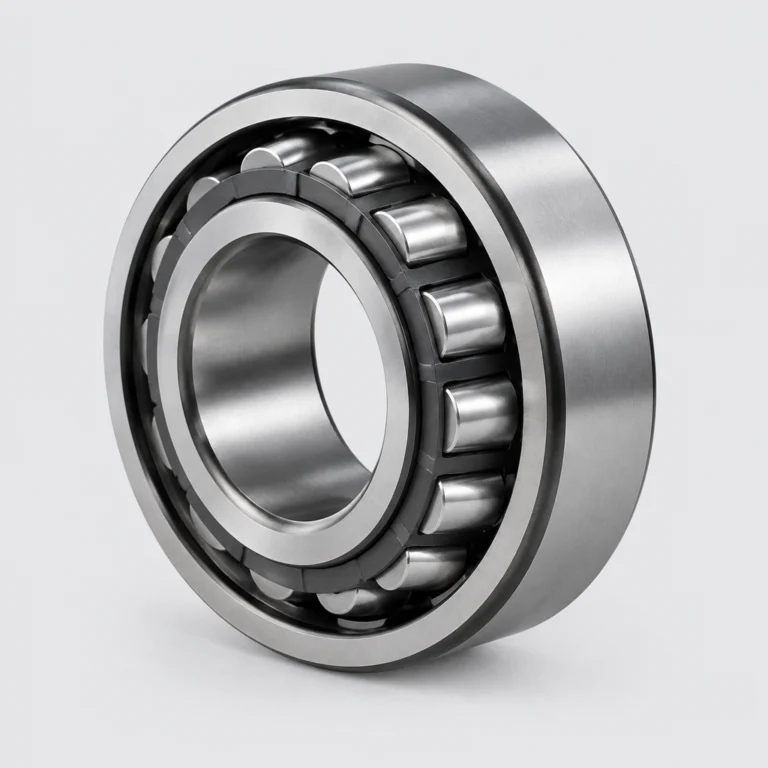
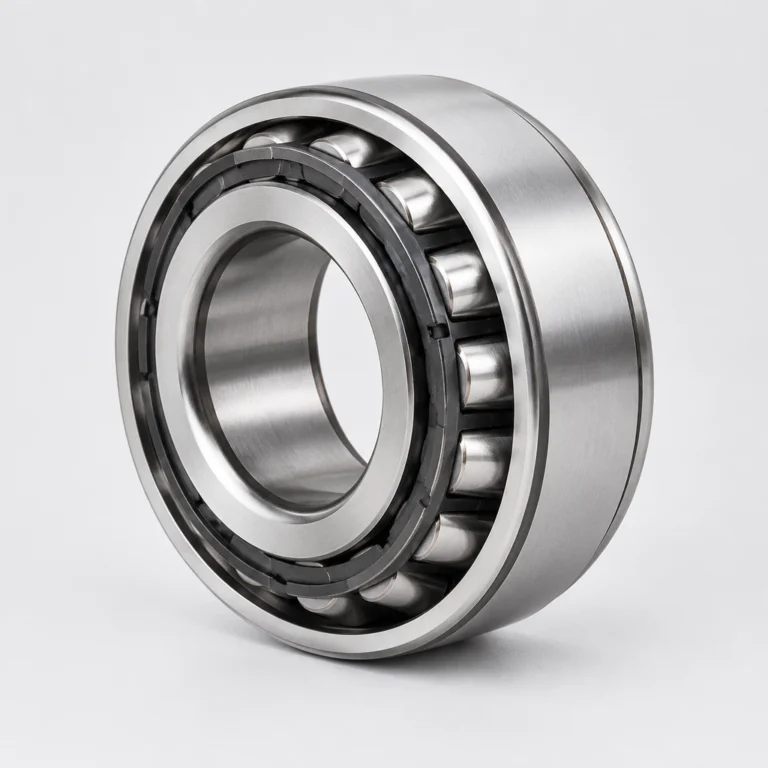
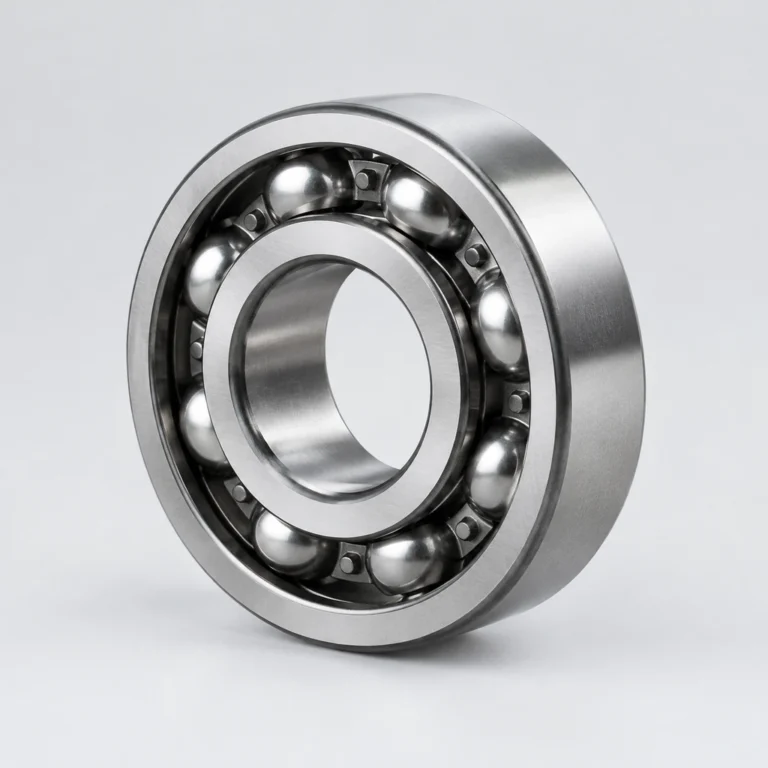
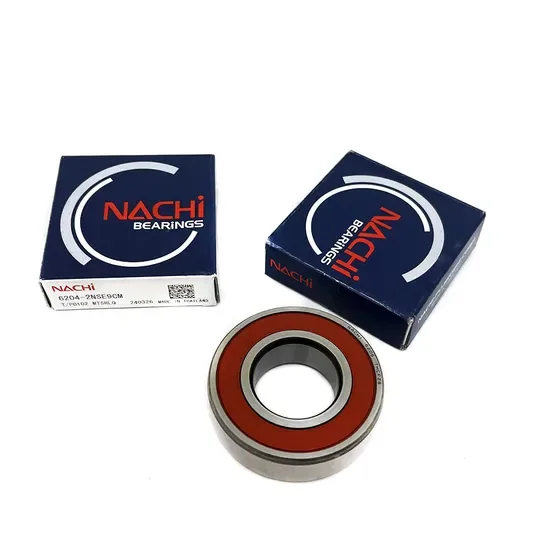
Multi-Brand Sourcing Consolidation — Fulfill mixed-model machine tool maintenance orders without coordinating across fragmented suppliers.
Technical Specifications
| Parameter | Value |
| Designation | 6902 6312 6802 6903 698Z |
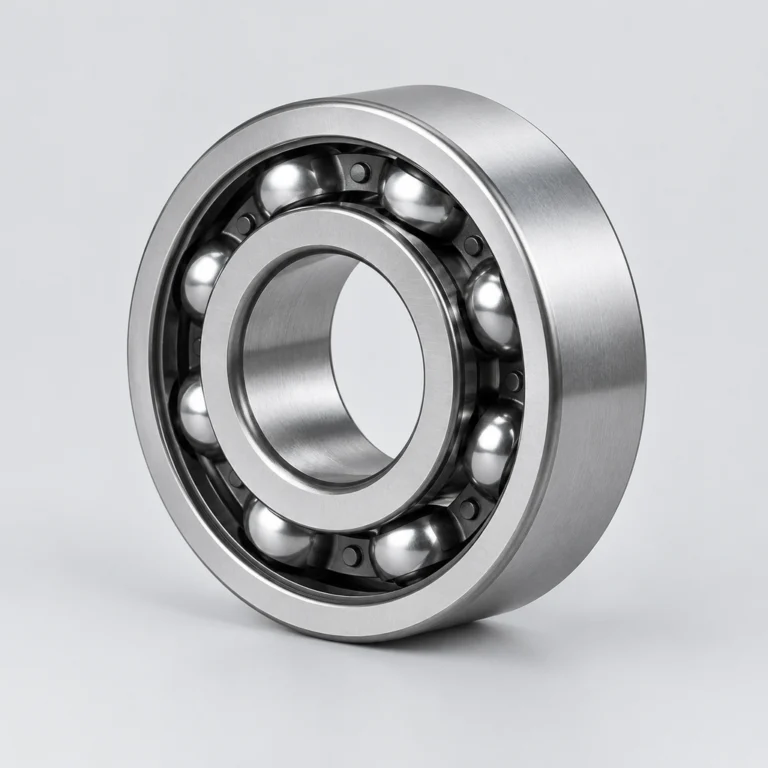
| Product Type | Deep Groove Ball Bearing |
| Rows Number | Single Row |
| Seals Type | ZZ, 2RS, Open |
| Precision Rating | P0, P6, P5, P4 |
| Material | Bearing Steel |
| Lubrication | Grease or Oil |
| Vibration | Z1V1, Z2V2, Z3V3, Z4V4 |
| Load Direction | Radial Bearing |
| Origin | Shandong, China |
| HS Code | 8482102000 |
Application Suitability
| Industry | Typical Applications |
| Machine Tools | Spindle drives, precision feed mechanisms, coolant pumps |
| Electric Motors | High-speed rotor shafts, cooling fans |
| Industrial Pumps | Impeller shafts, seal chambers |
| Conveyors | Drive pulleys, tensioner rollers |
| Gearboxes | High-speed input shafts, intermediate stages |
Why Vibration Specs Dictate Spindle Survival in NACHI 6902 6312 6802 6903 698Z Deep Groove Ball Bearing Installations
Ignoring Z3V3 or Z4V4 vibration classes during feed axis assembly guarantees premature resonance and catastrophic surface finish degradation.
I remember a disaster in Monterrey where a maintenance crew swapped a standard 6207 into a precision feed axis because the work order only listed the machine model. The mismatched vibration tolerance caused severe chatter, ruining the spindle and halting production for weeks. When sourcing a NACHI 6902 6312 6802 6903 698Z deep groove ball bearing, assuming all standard sizes share identical dynamic smoothness is a costly illusion. Many procurement teams focus solely on the basic dimensional envelope, completely overlooking the internal geometrical perfection required for high-speed rotation. This oversight allows microscopic raceway irregularities to amplify into destructive harmonic feedback, ultimately destroying the cutting tool and the workpiece. Preventing this requires a strict adherence to specified vibration signatures, ensuring that every unit installed meets the exact acoustic and dynamic thresholds demanded by modern CNC equipment.

Aligning Precision Tolerances with High-Speed Cutting Dynamics
Selecting the correct P4 or P5 tolerance for your NACHI 6902 6312 6802 6903 698Z deep groove ball bearing ensures the dimensional stability required for tight-tolerance milling and turning operations. Our procurement network cross-references exact OEM part numbers to prevent the accidental installation of P0 clearance variants in high-speed spindles. This rigorous verification eliminates the axial play that typically ruins micro-finish operations and accelerates tool wear. When the internal geometry deviates beyond strict precision limits, the rolling elements induce localized stress concentrations that rapidly degrade the lubricant film. By enforcing stringent tolerance checks, we guarantee that the bearing maintains its structural integrity under the extreme centrifugal forces generated during rapid traverse and high-RPM cutting cycles, thereby securing the geometric accuracy of the final machined component.
Managing Thermal Expansion and Coolant Contamination
Machine tool environments subject radial bearings to rapid temperature spikes from high-speed rotation and aggressive coolant splash. Choosing between ZZ shields and 2RS contact seals dictates whether the bearing retains its factory grease or suffers from emulsion ingress that rapidly degrades the lubricant. Furthermore, selecting the appropriate internal clearance compensates for thermal expansion, preventing the internal preload from exceeding the fatigue limit and causing thermal seizure. In heavy-duty gearboxes and pump assemblies, the continuous exposure to metallic particulates and abrasive slurries demands effective sealing solutions that do not compromise rotational speed. Balancing these competing requirements involves a deep understanding of the specific operational envelope, ensuring that the chosen seal configuration and clearance class work in perfect harmony to maximize the service interval and prevent catastrophic lubrication starvation.
Decoding Shield Configurations and Vibration Signatures
The single shield suffix indicates low-friction protection ideal for high-speed electric motors where heat dissipation is critical, unlike full-contact rubber seals that generate excessive drag and elevate operating temperatures. Vibration classifications ranging from Z1V1 up to Z4V4 define the acoustic and dynamic smoothness of the raceways; specifying Z3V3 or higher is non-negotiable for minimizing harmonic feedback in CNC tooling and precision pump assemblies. The bearing steel construction provides the necessary core hardness to withstand continuous radial loads, while grease or oil lubrication options allow efficient integration into diverse spindle cooling architectures. Understanding these suffix variations prevents the common mistake of installing high-drag sealed bearings in applications designed for low-friction shielded variants, thereby preserving the energy efficiency and thermal stability of the entire drive system.
The Cascading Financial Impact of Tolerance Mismatches
Installing an incorrectly specified bearing leads to unplanned downtime that extends far beyond the cost of the replacement part. According to failure analysis frameworks like ISO 15243, improper clearance or seal selection accelerates raceway spalling, cage wear, and lubricant breakdown. This premature failure not only destroys the bearing but often causes catastrophic damage to the mating shaft and housing, resulting in massive warranty voidance and extended machine paralysis. The financial burden of replacing a ruined spindle housing or regrinding a damaged shaft dwarfs the initial savings of purchasing a lower-grade component. Recognizing these hidden costs shifts the procurement focus from upfront unit price to total cost of ownership, emphasizing the critical need for precise specification matching and rigorous incoming quality inspection to safeguard the entire production line.
Eliminating Guesswork in Mixed-Model Maintenance Orders
We specialize in consolidating mixed-brand and mixed-size bearing packages, ensuring your urgent machine tool maintenance orders arrive complete and verified without coordinating multiple vendors. Every NACHI 6902 6312 6802 6903 698Z deep groove ball bearing we supply includes original factory batch traceability, eliminating the risk of counterfeit parts entering your precision spindles and compromising operational safety. Our technical team actively cross-references seal types and precision classes against official catalogs to catch suffix errors before shipment, preventing the exact type of feed-axis failures I witnessed in the field. This validation process is backed by comprehensive inspection reports for high-precision variants, providing absolute confidence that the P4 or P5 tolerances meet the exact requirements of your high-speed cutting applications. By handling the complex logistics and technical verification, we allow your maintenance engineers to focus entirely on rapid equipment restoration and production continuity.
Documentation & Authenticity
- Original factory batch traceability linking each unit to its specific production run.
- Running accuracy inspection confirming P4 and P5 dimensional tolerances before dispatch.
- Material certification verifying bearing steel metallurgical composition for high-load spindles.
- Vibration class test reports validating Z3V3 or Z4V4 smoothness for precision applications.
- Certificate of Conformity ensuring genuine origin for the complete 6902 6312 6802 6903 698Z inventory.
Storage, Handling & Mounting
- Retain original anti-corrosion packaging until mounting to protect open-type variants from humidity.
- Use clean gloves when handling P4 precision bearings to prevent skin oils from degrading raceway finish.
- Apply induction heating for tight-fit inner rings on larger models, avoiding direct flame exposure.
- Verify the Z shield orientation to ensure the shielded side faces the primary contamination source.
- Store single-row units horizontally in temperature-controlled environments to prevent Brinell indentation on the raceways.
Engineering Validation for Your Specific Spindle Architecture
To ensure optimal L10 life and operational stability, provide our engineering team with your exact radial and axial load profiles, operating speeds, and thermal conditions. Sharing the specific OEM equipment model number allows us to perform precise cross-reference verification and confirm the required precision class and internal clearance. This technical review guarantees that the seal configuration and lubrication type perfectly match your machine tool's unique operating environment, preventing premature failure due to misapplication. By supplying these detailed operational parameters, you enable our specialists to recommend the most reliable variant from our extensive inventory, ensuring that every installed component delivers maximum performance and longevity under your specific machining conditions.
Frequently Asked Questions
Q: How do I choose between ZZ shields and 2RS seals for my machine tool spindle?
A: ZZ shields provide low-friction, non-contact protection ideal for high-speed applications where heat generation must be minimized. In contrast, 2RS rubber seals offer superior exclusion of liquid coolant and fine particulate matter but introduce higher rotational friction. The choice depends on whether your primary threat is high-velocity thermal buildup or aggressive environmental contamination.
Q: What distinguishes P4 precision from standard P0 ratings in deep groove ball bearings?
A: P4 precision dictates significantly tighter tolerances for bore diameter, outside diameter, and radial runout compared to P0. This strict dimensional control minimizes vibration and ensures the rotational accuracy required for high-speed CNC spindles. Using a P0 bearing in a precision feed axis will inevitably cause chatter and degrade the surface finish of the machined parts.
Q: How does the Z suffix on the shielded variant affect its installation and performance?
A: The Z suffix indicates a single steel shield on one side of the bearing, offering a compromise between friction and contamination protection. During installation, the shielded side must face the primary source of dust or debris, while the open side allows for external re-lubrication if required. This configuration is optimal for electric motors where one side is enclosed and the other faces a clean internal cavity.
Q: Why is verifying the vibration class critical for high-speed feed mechanisms?
A: Vibration classes like Z3V3 or Z4V4 guarantee that the bearing's internal raceways and rolling elements meet strict acoustic and dynamic smoothness standards. In high-speed feed mechanisms, even microscopic surface irregularities generate harmonic resonance that translates into visible chatter marks on the workpiece. Specifying a high vibration class is mandatory to maintain tight machining tolerances and extend spindle life.
Q: How can I confirm the authenticity of the bearings upon delivery?
A: Every shipment includes original factory batch traceability documentation that links the physical bearings to their specific production run. You can verify the authenticity by cross-referencing the batch numbers on the packaging with the manufacturer's official database. Additionally, we provide dimensional and running accuracy inspection reports for high-precision variants to confirm they meet the specified P4 or P5 standards.