
NACHI Bearing Technical Guide Procurement & Trade FAQs
Kitting NACHI Bearings for Workshops: Wholesale Supplier
Prevent costly assembly failures with rigorous NACHI bearings kitting for workshops through strict model verification and anti-rust packaging. Ensure operational continuity by validating internal clearance, protecting against humidity damage, and streamlining mixed-batch sourcing for reliable, ready-to-install maintenance kits.
- Published
- By author
- nachioem · Specialized NACHI bearing supplier
Shipping the right part number is not enough.
Successful kitting of NACHI bearings for workshops demands rigorous model verification and anti-rust packaging protocols to prevent assembly failures and costly production downtime.
The humid air in Ho Chi Minh City clings to everything, especially metal. I learned this lesson the hard way during my early days supplying a ship repair yard. The foreman handed me a list for a main shaft overhaul, specifying several deep groove ball bearings and spherical roller units. I pulled the stock, checked the part numbers against the invoice, and delivered them with confidence. Two days later, the workshop was silent. The new bearings refused to seat on the shaft. The inner diameter was off by a fraction of a millimeter, a deviation invisible to the naked eye but catastrophic for precision assembly. That batch sat in my warehouse for months while I negotiated replacements. It was not a failure of inventory, but a failure of process. Proper kitting requires more than picking boxes; it requires verifying tolerances and protecting surfaces from the moment they leave the manufacturer’s facility until they reach the mechanic’s hands.
This experience reshaped how I approach every order. For workshop managers and MRO buyers, the goal is not just acquisition but reliability. A kit that sits on the shelf is useless if it fails upon installation. Understanding the nuances of verification and preservation turns a simple supply transaction into a critical component of operational continuity.
Why Does Model Verification Fail Even With Correct Part Numbers?
Part numbers are identifiers, not guarantees of fit.
A common misconception is that matching the alphanumeric code on the box to the purchase order ensures compatibility. In reality, manufacturers may update internal specifications without changing the primary part number, or subtle variations in suffixes denote critical differences in clearance or cage material. For NACHI bearings, which are often selected for their durability in heavy-load applications, ignoring these suffixes can lead to immediate failure.
Consider the case of a mining equipment operator in Southeast Asia. They ordered a set of cylindrical roller bearings for a crusher gearbox. The part numbers matched the original equipment manufacturer’s manual. However, the supplier provided standard clearance units instead of the C3 clearance specified for high-temperature operations. The bearings seized within hours of startup due to thermal expansion. This was not a defect in the bearing itself, but a mismatch in application-specific requirements.
To avoid such errors, verification must go beyond the box label. It involves cross-referencing the technical datasheet with the application parameters. Key checks include:
- Internal Clearance: Ensuring the bearing matches the operating temperature and load conditions (e.g., C2, C3, C4).
- Cage Material: Verifying if the application requires steel, brass, or polyamide cages based on speed and lubrication type.
- Precision Class: Confirming whether standard P0 or higher precision P6/P5 is required for the specific machinery.
When kitting NACHI bearings for workshops, suppliers must provide full traceability documentation. This allows the workshop engineer to verify that the physical item matches the technical expectation. Without this step, the risk of installing an incompatible component remains high, leading to unplanned downtime that far exceeds the cost of the bearing itself.
How Does Humidity Compromise Bearing Integrity During Storage?
Rust begins before the box is opened.
Bearings are precision instruments with finely ground surfaces. Any corrosion, even microscopic pitting, creates stress concentrators that initiate fatigue cracks under load. In tropical climates or during humid seasons, standard cardboard packaging offers insufficient protection. Moisture permeates the box, condenses on the metal, and reacts with the surface.
I once inspected a shipment stored in a non-climate-controlled warehouse for three months. The outer boxes looked pristine, but upon opening, several bearings showed visible surface rust. The anti-rust oil had degraded, and the vapor-corrosion inhibitor (VCI) paper had lost its efficacy due to poor sealing. The client rejected the entire lot, resulting in a significant financial loss and delayed project timelines. This scenario is not uncommon; poor packaging accounts for a substantial percentage of bearing scrap before installation.
Effective anti-rust packaging for bearings involves multiple layers of defense:
- VCI Paper: Wrapping each bearing individually in VCI-treated paper releases corrosive-inhibiting vapors that neutralize moisture.
- Sealed Plastic Bags: Using high-density polyethylene bags with heat-sealed edges prevents ambient humidity from entering.
- Desiccants: Placing silica gel packets inside the outer carton absorbs residual moisture.
- Robust Outer Cartons: Using double-walled cardboard or wooden crates for heavy units prevents physical damage that could compromise the inner seals.
For workshops sourcing NACHI bearings for workshops, insisting on verified anti-rust packaging is essential. It is not merely about aesthetics; it is about preserving the metallurgical integrity of the component. Suppliers who cut corners on packaging expose buyers to hidden risks that only manifest after installation, making diagnosis difficult and costly.
Can Mixed-Batch Sourcing Reduce Overhaul Time?
Consolidation saves time, but complexity increases risk.
Workshops often face the challenge of servicing multiple machines with different bearing requirements. Sourcing each part number from separate suppliers leads to fragmented deliveries, increased administrative overhead, and inconsistent quality standards. Mixed-batch kitting allows for the consolidation of various bearing types—deep groove, spherical roller, tapered—into a single shipment.
A European wind farm operator recently streamlined their maintenance strategy by adopting mixed-batch kitting. Instead of managing ten different suppliers for their turbine gearboxes and generators, they consolidated orders into comprehensive kits. This approach reduced sourcing time significantly per overhaul, allowing technicians to focus on installation rather than logistics.
However, mixed-batch sourcing requires rigorous quality control. Combining products from different production batches or even different brands within a single kit demands strict verification processes. Each item must be checked for authenticity and condition. The advantage lies in the ability to source genuine products from a single reliable channel that maintains consistent standards across all brands.
Key benefits of mixed-batch kitting include:
- Single Point of Contact: Simplifies communication and accountability.
- Unified Documentation: Provides a complete set of traceability records for all items in the kit.
- Reduced Lead Time: Consolidated shipping often arrives faster than multiple partial shipments.
- Cost Efficiency: Bulk handling reduces per-unit logistics costs.
When selecting a partner for NACHI bearings for workshops, ensure they have the capacity to handle complex mixed orders without compromising on individual item verification. The goal is to receive a ready-to-install kit where every component meets the required specification, regardless of its origin within the supplier’s inventory.
What Are the Critical Checks Before Accepting a Bearing Kit?
Trust but verify every unit.
Receiving a kit is not the end of the procurement process; it is the beginning of the quality assurance phase. Workshop managers must implement a receiving protocol that checks for both physical and documentary compliance. Skipping these steps invites future failures.
A US buyer once accepted a large shipment of bearings without inspecting the inner rings. Months later, during installation, they discovered that several units had minor nicks on the raceways, likely caused by rough handling during transit. These defects led to premature noise and vibration, forcing an early replacement. This incident highlights the need for thorough incoming inspection.
A systematic check should include:
- Visual Inspection: Look for signs of external damage, rust, or compromised packaging.
- Part Number Verification: Match the engraved marks on the bearing with the box label and invoice.
- Dimensional Spot Check: Use micrometers to verify critical dimensions on a sample basis, especially for high-precision applications.
- Documentation Review: Ensure certificates of conformity and material test reports are present and match the batch numbers.
- Rotation Test: Gently rotate the bearing to check for smoothness and absence of grinding or sticking.
These checks do not require advanced laboratory equipment but demand attention to detail. By establishing a routine verification process, workshops can filter out potential issues before they enter the assembly line. This proactive approach minimizes the risk of installing defective components and protects the reputation of the maintenance team.
Conclusion
Reliability is built on verification and protection.
Kitting NACHI bearings for workshops is not a simple logistical task but a technical responsibility. Strict model verification ensures the right fit, while robust anti-rust packaging preserves integrity during storage. Mixed-batch sourcing offers efficiency but requires disciplined quality control. By prioritizing these elements, workshop managers can prevent assembly failures and maintain continuous operation. The cost of diligence is far less than the price of downtime.
Applications covered in this article
Products in this article
NACHI bearings mentioned above
These are the NACHI bearing types discussed in this guide. Open a product page to check its designation and send the exact suffix with your quantity.
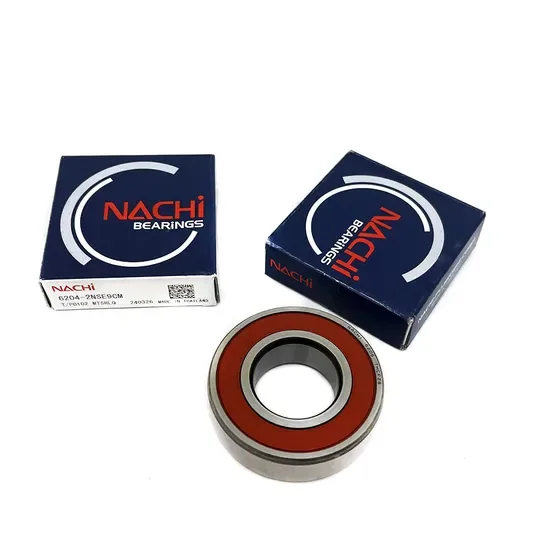
Deep Groove Ball Bearings
Genuine NACHI 608zz 6202 6201 Deep Groove Ball Bearing for Marine Equipment
View product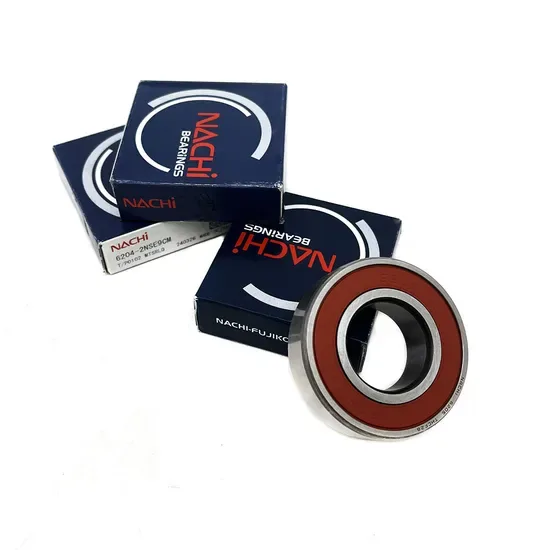
Deep Groove Ball Bearings
NACHI 608zz 16004 6201 Deep Groove Ball Bearing P6 P5 C3
View product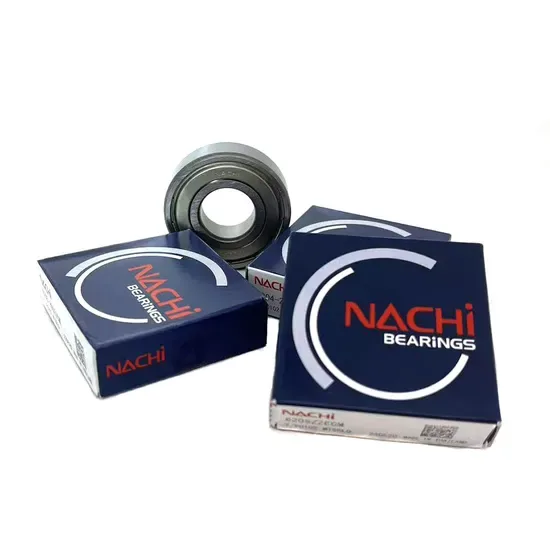
Deep Groove Ball Bearings
NACHI Deep Groove Ball Bearing 62301 608 6202 63008 63007 63006 6204 6301
View product Deep Groove Ball Bearings
Genuine NACHI P6 Deep Groove Ball Bearings 62208 62210 63002 63004 63006
View productModel check
Not sure which NACHI designation fits? We help with substitution, cross-reference and selection.
Send the old bearing number, the worn marking you can still read, or the application and shaft size. nachioem matches it to the correct NACHI model, including clearance, cage and seal options, before you order.
- Substitution for discontinued models
- Cross-reference to NACHI numbers
- Selection for spindles, pumps and reducers
Keep reading
Related NACHI bearing technical articles
More practical guides on NACHI suffixes, replacement and selection for machine tools, automotive, construction machinery, pumps and gear reducers.

Oct 7, 2026 · Procurement & Trade FAQs · 5 min read
Genuine NACHI Bearings Wholesale Supplier & Bulk Export
Stop relying on carrier portals to explain NACHI shipment delays. Mixed-batch customs holds stem from mismatched HS codes and inadequate moisture-proof packaging, not logistics…
Read the article
Oct 7, 2026 · Procurement & Trade FAQs · 8 min read
NACHI Bearing Supplier: Genuine Stock, Bulk & MRO for Global Tenders
Sourcing genuine NACHI bearings for tenders demands strict batch traceability to avoid 100% site rejection. Learn to verify mill certificates, manage mixed-container procurement with…
Read the article Oct 7, 2026 · Procurement & Trade FAQs · 6 min read
Genuine NACHI Bearings Wholesale Supplier | Bulk & Single Unit Orders
Master Annual Supply Agreements for NACHI Bearings by securing priority allocation and strict traceability protocols. Learn to consolidate emergency spares in bulk orders while…
Read the article
Request a quote
Send your NACHI model list. We quote fast.
List the NACHI model numbers with full suffixes and the quantity for each. nachioem replies online as quickly as possible with pricing for distributors, repair shops and end users worldwide.
- info@nachioem.com
- WhatsApp +1 (702) 981-5880
- Online replies as quickly as possible
- Global delivery by DHL, FedEx, UPS, air or sea