
NACHI Bearing Technical Guide Procurement & Trade FAQs
Genuine NACHI Bearings Wholesale Supplier & Bulk Export
Stop relying on carrier portals to explain NACHI shipment delays. Mixed-batch customs holds stem from mismatched HS codes and inadequate moisture-proof packaging, not logistics bottlenecks. Verify individual packing lists against the master bill of lading and ensure invoice alignment to prevent port detention.
- Published
- By author
- nachioem · Specialized NACHI bearing supplier
Tracking carrier portals is not enough to prevent delays.
Delays in mixed-batch NACHI shipments usually stem from customs holds due to mismatched HS codes and inadequate moisture-proof packaging, not just logistics bottlenecks. Effective tracking requires verifying individual packing lists against the master bill of lading and ensuring exact alignment between commercial invoices and physical bearing models before departure.
I still recall the humidity hitting my face at Ningbo Beilun Port years ago. I was handling a half-container order of mixed-brand bearings for a client in Jeddah. The volume looked perfect on paper, but I had rushed the palletizing process. The wooden crates lacked sufficient moisture barriers, and the customs declaration used a vague category for the bearing types. When the cargo arrived, the bottom layers of the NACHI units showed early signs of rust. Worse, the port authorities detained the shipment for weeks because the model numbers on the physical boxes did not perfectly match the HS code classification on the invoice. That incident shifted my entire approach. Now, I treat document matching and packaging integrity as critical as the product quality itself.
This experience highlights why relying solely on carrier tracking updates is insufficient for complex orders. As a Genuine NACHI Bearings Wholesale Supplier & Bulk Export partner, we focus on the pre-shipment details that actually determine whether your cargo clears customs smoothly or sits in detention.
Why Does My NACHI Shipment Tracking Show “Delayed”?
Most “logistical” delays are actually administrative holds caused by documentation errors in mixed batches.
When a tracker shows a delay, buyers often assume the vessel is stuck or the port is congested. In reality, for mixed-brand container loads, the bottleneck is frequently internal document matching before the cargo even leaves the origin country. Customs officials in destination ports like those in the Middle East or Southeast Asia scrutinize mixed consignments heavily. If the HS code for a specific NACHI spherical roller bearing does not align precisely with the description on the commercial invoice, the entire container can be flagged for inspection.
A European distributor once faced a month-long delay because his invoice listed “ball bearings” generically, while the packing list specified “angular contact ball bearings” for certain NACHI SKUs. The discrepancy triggered a manual review. To prevent this, we verify every single SKU against the latest customs tariff schedules. We ensure that the technical specifications on the invoice match the physical labels on the boxes. This proactive check prevents the “delayed” status from ever appearing on your tracking portal.
How to Track Mixed-Batch NACHI Orders Effectively?
Verify individual packing lists against the master bill of lading for accurate status updates.
Tracking a full container of mixed brands is different from tracking a single-brand shipment. Carrier portals provide macro-level data, but they do not show if your specific NACHI items are properly segregated and documented within the consolidation. Effective tracking starts with the packing list. Each brand and type must have its own sub-list that rolls up into the master document.
We implement a strict pre-shipment document checking direction. Before the container doors are sealed, we cross-reference the physical count of NACHI bearings with the digital records. This ensures that when you receive the tracking number, the data behind it is accurate. If a discrepancy arises, we catch it at the warehouse, not at the destination port. This method transforms tracking from a passive waiting game into an active verification process.
| Documentation Element | Standard Practice | Enhanced Verification |
|---|---|---|
| HS Code Alignment | Generic category usage | Specific model-to-code mapping |
| Packing List Detail | Total quantity per brand | Itemized list per SKU |
| Invoice Description | Broad terms (e.g., “Bearings”) | Precise technical names |
| Label Consistency | Box labels only | Box + Pallet + Master List match |
What Packaging Details Affect Transit Status?
Moisture damage often starts from inadequate palletizing in mixed batches, not just bad weather.
Bearings are precision steel components. They are highly susceptible to corrosion if exposed to humidity during ocean transit. In a mixed container, different brands may have varying packaging standards. Some use simple cardboard, while others use sealed plastic. If NACHI bearings with standard packaging are placed next to heavier items without proper separation, the risk of damage increases.
We observed that bottom-layer rusting is a common issue in half-container orders. This happens when moisture condenses on the container floor and wicks up into the pallets. To counter this, we use professional moisture-proof packaging for mixed NACHI orders. This includes placing desiccants inside the crates and using elevated pallets to keep the goods off the floor. We also ensure that the direction of the packaging allows for proper air circulation. These details prevent physical damage that could lead to insurance claims and further delays.
How to Prevent Customs Holds During Transit?
Ensure exact alignment between commercial invoices, packing lists, and physical bearing models.
The most effective way to avoid customs holds is to eliminate ambiguity. Customs agents look for consistency. If the invoice says one thing and the box says another, they will detain the cargo. For NACHI bearings, this means ensuring that the part numbers on the invoice match the manufacturer’s official catalog exactly.
We handle this by conducting a final audit of all documents against the physical stock. This includes checking the batch numbers and manufacturing dates. For mixed-brand orders, we create a unified documentation set that clearly delineates each brand’s contribution to the total weight and value. This transparency speeds up the clearance process. Our one-stop consolidation service includes this rigorous checking as a standard step, not an optional extra. This approach has significantly reduced detention incidents for our clients in regions with strict import regulations.
Conclusion
Precision in documentation and packaging prevents delays more effectively than faster shipping.
Successful importation of mixed-brand bearings relies on meticulous preparation. By focusing on HS code accuracy, moisture-proof packaging, and document consistency, buyers can avoid the common pitfalls that cause customs holds. Partnering with a supplier who prioritizes these operational details ensures that your Genuine NACHI Bearings Wholesale Supplier & Bulk Export transactions proceed smoothly from warehouse to end-user.
Products in this article
NACHI bearings mentioned above
These are the NACHI bearing types discussed in this guide. Open a product page to check its designation and send the exact suffix with your quantity.

Deep Groove Ball Bearings
NACHI Deep Groove Ball Bearing 6210-6215 for Blender Genuine Wholesale
View product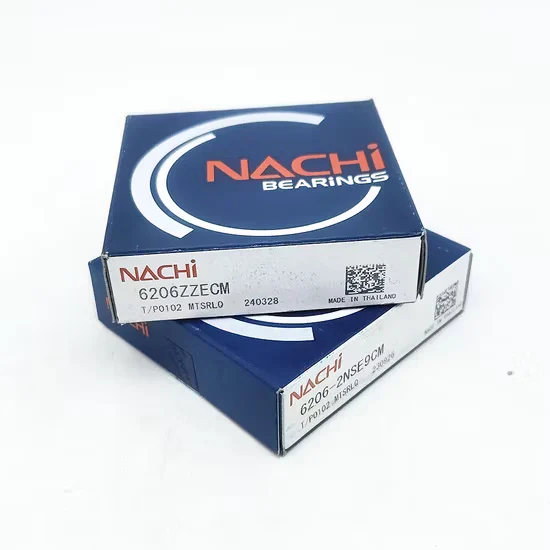
Deep Groove Ball Bearings
Genuine NACHI 602-609 Deep Groove Ball Bearings for Auto Parts Wholesale
View product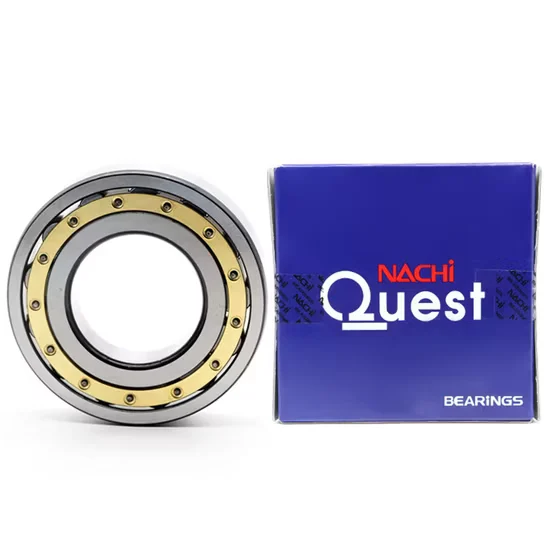
Cylindrical Roller Bearings
Genuine NACHI NU312EM NU313EM NU314EM Cylindrical Roller Bearing Wholesale
View product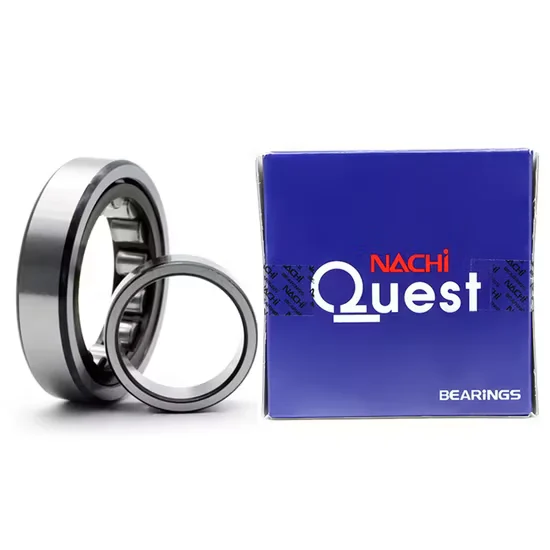
Cylindrical Roller Bearings
NACHI N410e Cylindrical Roller Bearing Genuine Wholesale Supplier
View productModel check
Not sure which NACHI designation fits? We help with substitution, cross-reference and selection.
Send the old bearing number, the worn marking you can still read, or the application and shaft size. nachioem matches it to the correct NACHI model, including clearance, cage and seal options, before you order.
- Substitution for discontinued models
- Cross-reference to NACHI numbers
- Selection for spindles, pumps and reducers
Keep reading
Related NACHI bearing technical articles
More practical guides on NACHI suffixes, replacement and selection for machine tools, automotive, construction machinery, pumps and gear reducers.
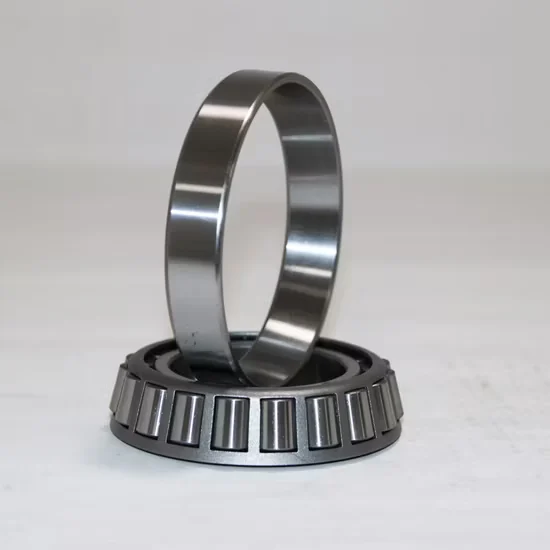
Oct 7, 2026 · Procurement & Trade FAQs · 8 min read
NACHI Bearing Supplier: Genuine Stock, Bulk & MRO for Global Tenders
Sourcing genuine NACHI bearings for tenders demands strict batch traceability to avoid 100% site rejection. Learn to verify mill certificates, manage mixed-container procurement with…
Read the article Oct 7, 2026 · Procurement & Trade FAQs · 6 min read
Genuine NACHI Bearings Wholesale Supplier | Bulk & Single Unit Orders
Master Annual Supply Agreements for NACHI Bearings by securing priority allocation and strict traceability protocols. Learn to consolidate emergency spares in bulk orders while…
Read the article
Oct 7, 2026 · Procurement & Trade FAQs · 7 min read
Kitting NACHI Bearings for Workshops: Wholesale Supplier
Prevent costly assembly failures with rigorous NACHI bearings kitting for workshops through strict model verification and anti-rust packaging. Ensure operational continuity by validating internal…
Read the article
Request a quote
Send your NACHI model list. We quote fast.
List the NACHI model numbers with full suffixes and the quantity for each. nachioem replies online as quickly as possible with pricing for distributors, repair shops and end users worldwide.
- info@nachioem.com
- WhatsApp +1 (702) 981-5880
- Online replies as quickly as possible
- Global delivery by DHL, FedEx, UPS, air or sea