
NACHI Bearing Technical Guide Procurement & Trade FAQs
Genuine NACHI Bearings Wholesale Supplier | Bulk & Single Unit Orders
Master Annual Supply Agreements for NACHI Bearings by securing priority allocation and strict traceability protocols. Learn to consolidate emergency spares in bulk orders while maintaining 100% original packaging to pass customs. Ensure smooth clearance with mandatory certificates and mill test reports for genuine wholesale sourcing.
- Published
- By author
- nachioem · Specialized NACHI bearing supplier
Most buyers assume annual contracts lock in the lowest price; in reality, they secure priority allocation when global supply chains fracture.
Establishing a reliable procurement framework for Annual Supply Agreements for NACHI Bearings requires more than just negotiating unit costs. It demands strict traceability protocols, flexible minimum order quantities for mixed batches, and precise customs documentation to prevent port seizures. For regional distributors and MRO operators, the core value lies in verifying authenticity across consolidated shipments and ensuring that emergency single-piece spares do not trigger counterfeit flags during inspection.
I still remember the humidity in Manzanillo port, watching a container of NACHI tapered roller bearings sit idle while customs officials scrutinized a few loose replacement units tucked inside. The bulk order was perfect, but those urgent single pieces lacked individual original packaging and specific batch labels. To the inspector, they looked like smuggled goods. That delay cost my client weeks of production downtime. Since then, I have learned that the difference between a smooth clearance and a rejected shipment often comes down to how well you manage the mix of bulk and single-unit orders within a NACHI bearing annual contract.
What should be included in a NACHI bearing annual supply agreement?
A robust agreement defines rolling forecasts, price adjustment mechanisms, and clear penalty clauses for delayed shipments rather than just fixing a static price.
Many procurement managers focus entirely on the per-unit price, ignoring the structural elements that keep supply flowing during shortages. An effective NACHI bearing procurement agreement must include a mechanism for quarterly rolling forecasts. This allows the supplier to reserve inventory from the manufacturer’s production facilities without tying up your capital in dead stock.
Consider a Middle East industrial wholesaler who switched from spot buying to a twelve-month contract for standard deep-groove and spherical roller bearings. By committing to quarterly forecasts, they secured a consistent supply even when market availability tightened. The real benefit was not just a marginal cost saving compared to spot prices, but the guarantee that their SKUs would be allocated before open-market buyers could access them.
Key clauses to negotiate include:
- Forecast Flexibility: Allow adjustments to volume based on actual consumption trends without heavy penalties.
- Price Adjustment Triggers: Define clear metrics for raw material or currency fluctuations that allow for price reviews, protecting both parties from extreme market volatility.
- Allocation Priority: Explicitly state that contracted partners receive first refusal on available stock during global shortages.
Without these provisions, you are merely a buyer in a queue, not a partner with reserved capacity. This structure transforms a simple purchase order into a strategic asset, ensuring that your bulk NACHI bearings supplier relationship survives market disruptions.
How to ensure authenticity and traceability for mixed-container shipments?
Mandate original packaging with batch-specific traceability labels for every single piece to pass strict customs inspections.
When consolidating multiple brands or sizes into one container, the risk of mixing genuine products with counterfeits increases in the eyes of customs authorities. Authenticity is not just about the bearing itself; it is about the paper trail and the physical packaging. Every box must carry the original manufacturer’s hologram, batch number, and production date.
A Southeast Asia MRO distributor recently managed a cross-brand mixed batch that included NACHI tapered rollers alongside other premium brands. They required over fifty SKUs per pallet, each maintaining one hundred percent original packaging traceability. The key was ensuring that no bearing was repacked into generic boxes. If a box is opened, the seal is broken, and the chain of custody is questioned.
To verify authenticity:
- Check the Packaging: Look for high-quality printing, correct font usage, and intact security seals.
- Verify Batch Numbers: Cross-reference the batch number on the box with the certificate of origin and mill test reports.
- Inspect the Bearing: Genuine NACHI bearings have precise machining marks and consistent grease application. Rough edges or uneven labeling are immediate red flags.
This level of diligence is non-negotiable. Customs officers in many regions are trained to spot inconsistencies in packaging. A single mismatched label can lead to the entire container being held for further inspection, causing significant delays and potential fines. Ensuring that your genuine NACHI bearings wholesale shipments are impeccably documented protects your reputation and your bottom line.
Can emergency single-piece spare parts be consolidated with bulk annual orders?
Yes, but they require separate inner packing and explicit manifest declarations to avoid being flagged as counterfeit or smuggled goods.
The intuition is that emergency spares need separate, expedited shipping. However, consolidating them into bulk containers saves substantial freight costs. The catch is meticulous handling. In the Manzanillo incident I mentioned earlier, the issue was not the bearing itself, but its presentation. It was loose, unlabeled, and undocumented in the detailed packing list.
For a Latin American mining client, we successfully implemented a system where urgent single-piece replacements were included in a twenty-foot container at a ratio of roughly five percent. Each single piece was packed in its original individual box, sealed, and labeled with a unique traceability code that matched the main manifest. This allowed customs to verify that these were not random additions but part of the verified order.
Risks to avoid:
- Loose Packing: Never ship bare bearings without original packaging in a mixed container.
- Missing Documentation: Every single unit must appear on the commercial invoice and packing list with its specific part number and batch code.
- Inconsistent Labeling: Ensure that the labels on single pieces match the branding and format of the bulk items.
By treating single pieces with the same rigor as bulk orders, you can enjoy the economic benefits of consolidation without the regulatory headaches. This approach is essential for any NACHI bearing procurement agreement that aims to balance cost efficiency with operational agility.
What documents are mandatory for smooth customs clearance of NACHI bearings?
Certificate of Origin, original mill test reports, and detailed packing lists matching the physical traceability labels are mandatory.
Customs clearance is where many transactions fail. Having the right product is not enough; you must have the right paperwork. The Certificate of Origin proves where the bearings were manufactured, which is crucial for tariff determination and trade compliance. Mill test reports provide technical verification of the material composition and quality, serving as proof of authenticity.
A detailed packing list is equally critical. It must itemize every box, including single pieces, with corresponding batch numbers. If the physical goods do not match the paper description exactly, inspectors will suspect misdeclaration. For example, if the packing list says “ten boxes of model X,” but the container holds nine boxes and ten loose units, the discrepancy will trigger an inspection.
Essential documents checklist:
- Certificate of Origin: Issued by the manufacturer or authorized chamber of commerce.
- Mill Test Reports: Original documents certifying material properties and quality control results.
- Commercial Invoice: Clearly stating values, part numbers, and terms of sale.
- Packing List: Detailed breakdown of contents, including weights, dimensions, and batch numbers for every item.
Ensuring these documents are accurate and consistent with the physical cargo is the final step in securing your supply chain. It transforms a potential logistical nightmare into a routine administrative process, allowing your Annual Supply Agreements for NACHI Bearings to function smoothly from factory floor to warehouse shelf.
Conclusion
Traceability and documentation are the true currencies of reliable bearing procurement.
Success in sourcing genuine NACHI bearings wholesale depends on integrating strict authenticity checks, flexible contract structures, and precise customs paperwork. By prioritizing these elements, distributors and MRO operators can secure their supply lines against global disruptions and regulatory hurdles.
Products in this article
NACHI bearings mentioned above
These are the NACHI bearing types discussed in this guide. Open a product page to check its designation and send the exact suffix with your quantity.

Deep Groove Ball Bearings
NACHI Deep Groove Ball Bearing 6210-6215 for Blender Genuine Wholesale
View product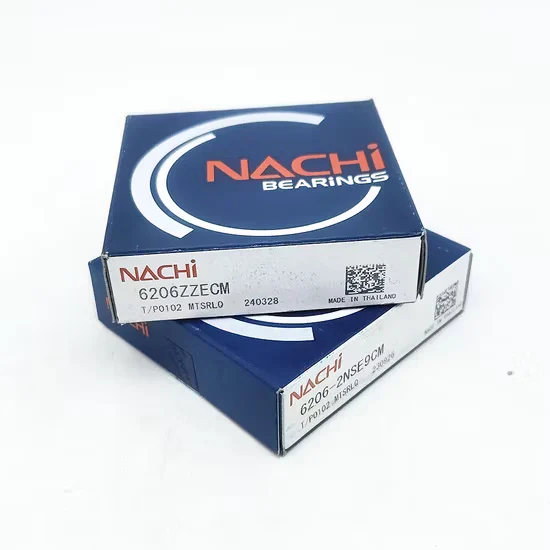
Deep Groove Ball Bearings
Genuine NACHI 602-609 Deep Groove Ball Bearings for Auto Parts Wholesale
View product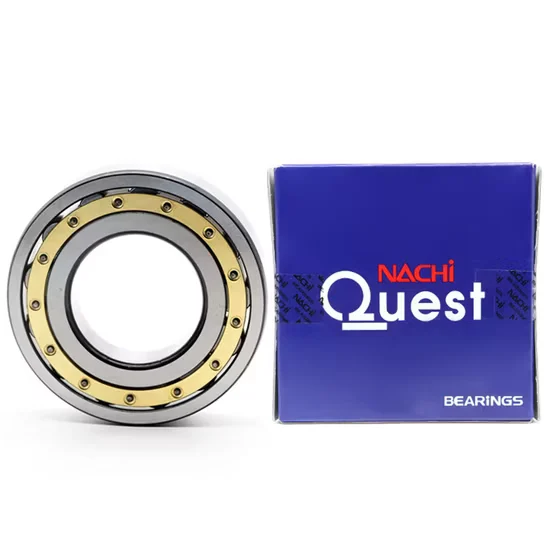
Cylindrical Roller Bearings
Genuine NACHI NU312EM NU313EM NU314EM Cylindrical Roller Bearing Wholesale
View product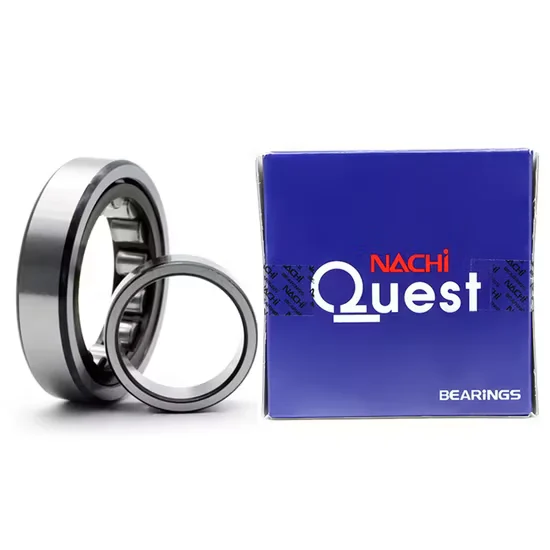
Cylindrical Roller Bearings
NACHI N410e Cylindrical Roller Bearing Genuine Wholesale Supplier
View productModel check
Not sure which NACHI designation fits? We help with substitution, cross-reference and selection.
Send the old bearing number, the worn marking you can still read, or the application and shaft size. nachioem matches it to the correct NACHI model, including clearance, cage and seal options, before you order.
- Substitution for discontinued models
- Cross-reference to NACHI numbers
- Selection for spindles, pumps and reducers
Keep reading
Related NACHI bearing technical articles
More practical guides on NACHI suffixes, replacement and selection for machine tools, automotive, construction machinery, pumps and gear reducers.
Oct 7, 2026 · Procurement & Trade FAQs · 5 min read
Genuine NACHI Bearings Wholesale Supplier & Bulk Export
Stop relying on carrier portals to explain NACHI shipment delays. Mixed-batch customs holds stem from mismatched HS codes and inadequate moisture-proof packaging, not logistics…
Read the article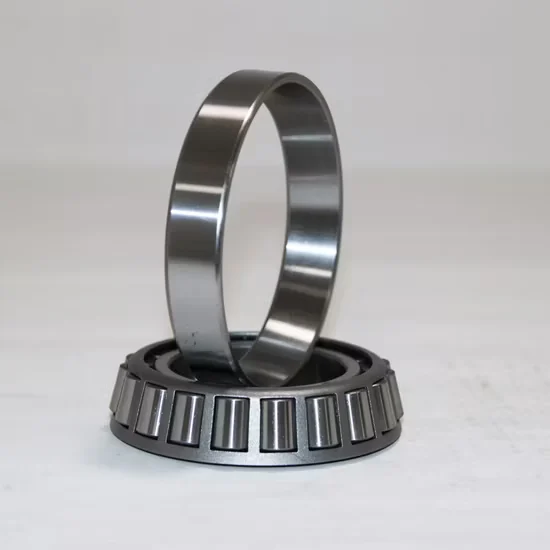
Oct 7, 2026 · Procurement & Trade FAQs · 8 min read
NACHI Bearing Supplier: Genuine Stock, Bulk & MRO for Global Tenders
Sourcing genuine NACHI bearings for tenders demands strict batch traceability to avoid 100% site rejection. Learn to verify mill certificates, manage mixed-container procurement with…
Read the article
Oct 7, 2026 · Procurement & Trade FAQs · 7 min read
Kitting NACHI Bearings for Workshops: Wholesale Supplier
Prevent costly assembly failures with rigorous NACHI bearings kitting for workshops through strict model verification and anti-rust packaging. Ensure operational continuity by validating internal…
Read the article
Request a quote
Send your NACHI model list. We quote fast.
List the NACHI model numbers with full suffixes and the quantity for each. nachioem replies online as quickly as possible with pricing for distributors, repair shops and end users worldwide.
- info@nachioem.com
- WhatsApp +1 (702) 981-5880
- Online replies as quickly as possible
- Global delivery by DHL, FedEx, UPS, air or sea