
NACHI Bearing Technical Guide Buying Guide
NACHI Automotive Wheel & Transmission Bearings Wholesale Supplier
Selecting genuine NACHI automotive bearings requires matching internal clearance and precision specs to prevent thermal seizure or transmission failure. Learn to verify authenticity through traceability documents, choose C3 clearance for hot climates, and optimize mixed-brand sourcing strategies for reliable aftermarket performance.
- Published
- By author
- nachioem · Specialized NACHI bearing supplier
Tighter internal clearance does not mean better performance in high-temperature automotive applications.
Selecting the correct NACHI automotive bearings requires matching the specific internal clearance class to the operating ambient temperature and load profile, rather than assuming standard clearances fit all scenarios. For wheel hubs in hot climates, C3 clearance is often mandatory to prevent thermal seizure, while transmission applications demand precise cage material selection to handle high-speed rotational forces without fatigue failure.
My early days in the trade were defined by a costly misunderstanding of thermal dynamics. A distributor in the Middle East ordered a large batch of wheel hub units for local resale. The specifications looked perfect on paper, and the box counts matched the invoice. I skipped the internal clearance verification, assuming standard stock would suffice for passenger vehicles. Three months later, the phone rang with urgent complaints. Dozens of vehicles had suffered wheel seizures. The bearings had expanded under the intense desert heat, eliminating the necessary running gap and causing metal-to-metal contact. We had to air-freight replacements, which erased the profit margin from the entire order. That incident reshaped my approach to technical verification. Now, every shipment of NACHI automotive bearings undergoes strict spot checks for clearance and grease quality before it leaves the warehouse.
How to Choose the Right NACHI Wheel Bearing for Extreme Climates?
Match internal clearance to ambient temperature ranges to prevent seizure.
Wheel hub bearings operate in one of the most hostile environments on a vehicle. They support radial and axial loads while exposed to road debris, water, and significant temperature fluctuations. In regions with high ambient temperatures, such as the Middle East or parts of Africa, standard clearance bearings often fail prematurely. The steel races expand as they heat up during operation. If the initial internal clearance is too tight, this thermal expansion closes the gap entirely, leading to excessive friction, heat buildup, and eventual seizure.
The key specification here is the internal clearance class. Standard bearings typically come with Normal clearance. However, for high-temperature environments or applications with heavy loads that generate additional heat, C3 or even C4 clearance is required. These classes provide a larger initial gap between the rolling elements and the races, accommodating thermal expansion without compromising structural integrity.
| Operating Environment | Recommended Clearance | Risk of Standard Clearance |
|---|---|---|
| Moderate Climate (Europe/North America) | Normal (CN) | Low |
| High Ambient Temperature (Middle East/Africa) | C3 | High (Seizure) |
| Heavy Load/High Speed (Performance Vehicles) | C3 | Medium (Overheating) |
| Extreme Conditions (Off-road/Racing) | C4 | Very High (Catastrophic Failure) |
A fleet maintenance manager in Southeast Asia once reported consistent noise issues in their delivery vans after switching to a cheaper alternative brand. Upon inspection, we found that the alternative bearings used Normal clearance despite the tropical climate. Switching to genuine NACHI wheel hub bearings with C3 clearance resolved the noise issue and extended the service life noticeably. The difference was not in the steel quality alone, but in the precise engineering of the internal geometry to suit the environment.
When sourcing these components, verify the clearance marking on the packaging and the bearing itself. Reputable suppliers will provide documentation confirming the clearance class for each batch. Do not assume that all bearings labeled for automotive use have the same internal specifications.
What Are the Key Specs for NACHI Transmission Bearings?
Prioritize precision class and cage material for high-speed gearbox stability.
Transmission bearings face different challenges than wheel hubs. They operate at higher rotational speeds and are subjected to complex load patterns from gear meshing. The primary concerns here are precision, cage integrity, and lubrication stability. A bearing that fails in a transmission can cause catastrophic damage to the gearbox, leading to expensive repairs and vehicle downtime.
Precision class is critical. While standard industrial bearings might tolerate P0 class tolerances, automotive transmission applications often require P6 or higher precision. This ensures minimal runout and vibration, which is essential for smooth gear shifting and reduced noise. NACHI transmission bearings are manufactured to meet these stringent requirements, ensuring consistent performance across batches.
Cage material is another vital factor. Traditional steel cages can be heavy and prone to wear under high-speed conditions. Modern NACHI designs often utilize engineered polymer cages or specialized steel alloys that offer better strength-to-weight ratios and improved lubrication retention. These materials reduce friction and heat generation, extending the bearing’s operational life.
| Specification | Importance in Transmission | Impact of Poor Quality |
|---|---|---|
| Precision Class (P6/P5) | High | Vibration, Noise, Gear Wear |
| Cage Material | High | Friction, Heat, Premature Fatigue |
| Lubricant Compatibility | Medium-High | Grease Breakdown, Corrosion |
| Surface Finish | High | Micro-pitting, Early Failure |
A repair group in Latin America struggled with recurring transmission failures in a specific truck model. They were using cross-brand equivalents that visually matched the original parts. However, the internal surface finish and cage design differed slightly from the OEM specifications. After switching to genuine NACHI automotive bearings designed for transmission use, the failure rate dropped noticeably. The technicians reported a significant reduction in noise levels and smoother operation under continuous load.
Always request technical datasheets that specify the precision class and cage material when ordering transmission bearings. Visual inspection alone cannot verify these internal characteristics. Lab testing or trusted supplier verification is necessary to ensure the components meet the required standards.
How to Verify Genuine NACHI Bearings and Avoid Counterfeits?
Demand traceability docs and conduct random internal clearance spot checks.
The market for automotive bearings is flooded with counterfeits. These fake products often look identical to genuine items on the outside but lack the internal quality control that defines brands like NACHI. Counterfeit bearings may use inferior steel, improper heat treatment, or low-quality grease, leading to premature failure and safety risks.
Visual inspection is insufficient for detecting high-quality fakes. The real differentiators are internal: grease composition, steel purity, and heat treatment consistency. These factors require laboratory testing to verify fully. However, distributors and buyers can take practical steps to mitigate risk. First, demand complete traceability documentation. Genuine products come with batch numbers that can be traced back to the manufacturing facility. Second, conduct random spot checks on internal clearance and rotation smoothness.
| Verification Method | Effectiveness | Required Resources |
|---|---|---|
| Visual Inspection | Low | None |
| Packaging Check | Medium | Reference Samples |
| Traceability Documentation | High | Supplier Cooperation |
| Internal Clearance Spot Check | High | Precision Gauges |
| Lab Analysis (Grease/Steel) | Very High | Laboratory Access |
A European buyer once received a container of bearings that appeared authentic. The packaging was perfect, and the logos were crisp. However, a random sample test revealed inconsistent internal clearance and poor grease quality. The supplier could not provide valid traceability documents for the batch. We rejected the shipment and sourced from a verified channel with full documentation. This process saved the buyer from potential liability claims and reputation damage.
Working with a supplier who performs on-site technical verification before loading adds a layer of security. They can check random samples from each batch to ensure consistency with the specified standards. This proactive approach prevents counterfeit goods from entering the supply chain.
NACHI vs. Other Brands: Which Fits Your Aftermarket Needs?
Compare load capacity and pricing to optimize mixed-brand container sourcing.
Choosing between NACHI and other premium brands like SKF, NSK, or FAG often comes down to specific application requirements and cost optimization. All these brands produce high-quality bearings, but their strengths may vary across different product lines. NACHI is particularly renowned for its steel quality and precision in automotive applications.
For aftermarket distributors, sourcing a single brand exclusively may not be the most cost-effective strategy. Mixed-brand container consolidation allows buyers to select the best value option for each specific part number. For example, NACHI wheel hub bearings might offer a better price-performance ratio for certain vehicle models, while another brand might be more competitive for heavy-duty truck transmissions.
| Factor | NACHI | Other Premium Brands | Strategy |
|---|---|---|---|
| Steel Quality | Excellent | Excellent | Comparable |
| Automotive Specialization | High | Varies | Check Specific Series |
| Price Competitiveness | Strong | Varies | Compare per Part Number |
| Availability | Good | Varies | Mix Sources |
A distributor in Central Asia optimized their inventory by mixing NACHI automotive bearings with other brands. They used NACHI for high-turnover passenger car wheel hubs due to competitive pricing and reliable quality. For specialized heavy-equipment transmissions, they sourced from brands with specific industrial focus. This mixed approach reduced overall procurement costs while maintaining high customer satisfaction.
Technical selection support is crucial when mixing brands. Ensure your supplier can provide cross-reference data and technical advice to match the right brand to the right application. This prevents mismatches that could lead to performance issues.
Conclusion
Precision matching of clearance and material specs prevents automotive bearing failure.
Selecting the right NACHI automotive bearings involves more than just picking a part number. It requires understanding the operating environment, verifying internal specifications like clearance and precision, and ensuring authenticity through traceability. By focusing on these technical details and leveraging mixed-brand sourcing strategies, distributors and repair groups can optimize performance and cost. Genuine quality and technical verification remain the cornerstone of reliable automotive maintenance.
Applications covered in this article
Products in this article
NACHI bearings mentioned above
These are the NACHI bearing types discussed in this guide. Open a product page to check its designation and send the exact suffix with your quantity.
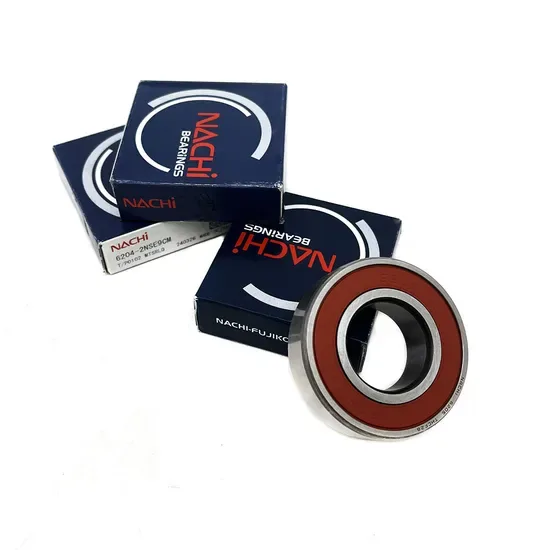
Deep Groove Ball Bearings
NACHI 6906 6905 6904 Deep Groove Ball Bearing for Automotive Gearbox
View product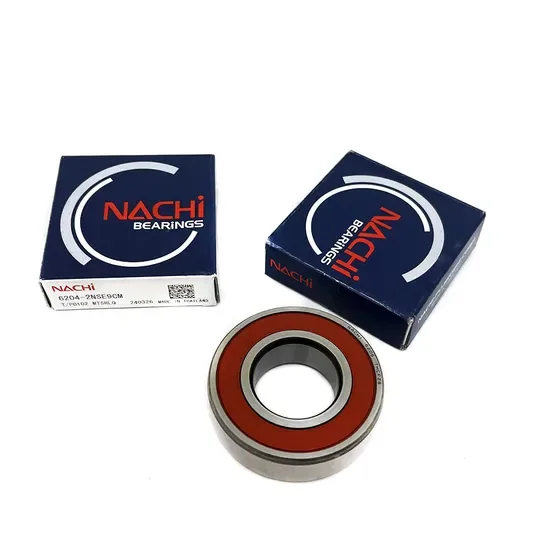
Deep Groove Ball Bearings
X&S 6211 6213 6215 Deep Groove Ball Bearing Wholesale Supplier
View product
Angular Contact Ball Bearings
7320AC 7321AC 7322AC Angular Contact Ball Bearing Wholesale Supplier
View product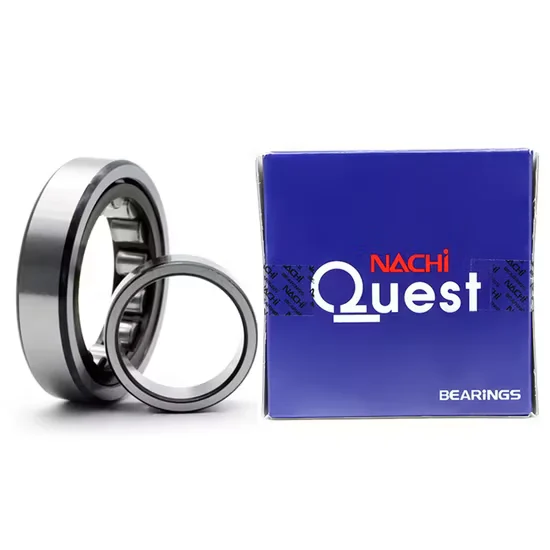
Cylindrical Roller Bearings
NACHI N410e Cylindrical Roller Bearing Genuine Wholesale Supplier
View productModel check
Not sure which NACHI designation fits? We help with substitution, cross-reference and selection.
Send the old bearing number, the worn marking you can still read, or the application and shaft size. nachioem matches it to the correct NACHI model, including clearance, cage and seal options, before you order.
- Substitution for discontinued models
- Cross-reference to NACHI numbers
- Selection for spindles, pumps and reducers
Keep reading
Related NACHI bearing technical articles
More practical guides on NACHI suffixes, replacement and selection for machine tools, automotive, construction machinery, pumps and gear reducers.
Oct 7, 2026 · Buying Guide · 7 min read
NACHI Bearings Quote: Genuine Wholesale Supplier for Bulk & MRO Orders
Request a NACHI bearings quote with full suffix accuracy to prevent costly customs delays and ensure genuine product traceability. Secure competitive wholesale pricing through…
Read the article Oct 7, 2026 · Buying Guide · 7 min read
Discontinued NACHI Numbers: Replacements from Wholesale Supplier
Replacing discontinued NACHI bearings requires more than matching dimensions to prevent premature field failures. Recalculate internal clearance and verify cage material compatibility to ensure…
Read the article Oct 7, 2026 · Buying Guide · 8 min read
Buy Genuine NACHI Bearings: Wholesale Supplier for Bulk Orders
Secure genuine NACHI bearings by mastering neutral checks and traceability verification to avoid catastrophic equipment failures. Learn to identify counterfeit units through hardness testing,…
Read the article
Request a quote
Send your NACHI model list. We quote fast.
List the NACHI model numbers with full suffixes and the quantity for each. nachioem replies online as quickly as possible with pricing for distributors, repair shops and end users worldwide.
- info@nachioem.com
- WhatsApp +1 (702) 981-5880
- Online replies as quickly as possible
- Global delivery by DHL, FedEx, UPS, air or sea