
NACHI Bearing Technical Guide Procurement & Trade FAQs
NACHI Bearings for India: Wholesale Supplier & Bulk Export
Mastering NACHI bearing supply India requires more than low unit prices; it demands expertise in mixed-container loading and Mumbai port customs clearance. Optimize weight-to-CBM ratios, ensure compliant shipping marks, and avoid hidden demurrage fees to protect your landed cost margins.
- Published
- By author
- nachioem · Specialized NACHI bearing supplier
The lowest unit price is rarely the lowest landed cost.
Importing genuine NACHI bearings to India requires mastering mixed-container consolidation, port-specific customs protocols, and flexible documentation management rather than focusing solely on ex-works pricing. Successful procurement hinges on aligning packaging marks with Indian Customs Tariff guidelines, optimizing weight-to-CBM ratios for heavy spherical roller bearings, and anticipating demurrage cycles at major ports like Nhava Sheva.
I still recall the silence on the other end of the line when a Mumbai-based distributor received a container of NACHI spherical roller bearings I had sourced years ago. The bearings were genuine, the price was competitive, and the technical specifications matched the inquiry perfectly. Yet, the cargo sat stranded at the port for weeks. The issue was not the quality of the steel or the precision of the grinding; it was a minor discrepancy in the shipping marks that did not align with the local customs officer’s expectations for consolidated cargo. That incident shifted my entire approach to NACHI bearing supply India. It taught me that in this market, logistical fluency is as critical as product authenticity. Buyers often underestimate how quickly port demurrage fees can erase the margin saved by negotiating a slightly lower unit price.
Understanding these operational nuances is essential for any buyer looking to secure a reliable supply chain. The following sections detail how to navigate these complexities, ensuring that your import process remains smooth, compliant, and cost-effective.
How to optimize mixed-container loading for NACHI bearings?
Balancing weight and volume is the key to maximizing freight efficiency.
When sourcing a diverse range of industrial components, buyers often mix heavy items like spherical roller bearings with lighter units such as deep-groove ball bearings or needle bearings. This strategy, known as mixed-container loading, requires careful planning to avoid paying for unused space or exceeding weight limits. A 20-foot container has a strict weight capacity, while a 40-foot container offers more volume but similar weight constraints relative to its size. Failing to balance these factors can lead to significant wasted freight costs.
For instance, NACHI spherical roller bearings are dense and heavy. Loading a container exclusively with these units might hit the weight limit long before the container is full. Conversely, filling a container with lightweight insert bearings or small angular contact ball bearings might fill the volume while leaving substantial weight capacity unused. The optimal approach involves calculating the CBM (cubic meter) and weight ratio for each SKU.
Consider a scenario where a regional distributor in Chennai needed to restock both heavy-duty mining equipment bearings and lighter machine-tool spindles. By strategically placing the heavy NACHI tapered roller bearings at the bottom and filling the upper voids with lighter cylindrical roller bearings and packaging materials, we maximized the container’s utility. This method ensures that every cubic meter contributes to the total payload without triggering overweight penalties at the port.
| Bearing Type | Density Profile | Loading Strategy |
|---|---|---|
| Spherical Roller Bearings | High Weight / Low Volume | Base layer placement; weight-limit driver |
| Deep-Groove Ball Bearings | Medium Weight / Medium Volume | Fill gaps; balance weight distribution |
| Needle Bearings | Low Weight / High Volume | Top layer; volume-filler |
| Insert Bearings | Low Weight / High Volume | Upper stacking; maximize CBM usage |
This structured approach prevents the common mistake of over-ordering light items that consume space without adding proportional value, or under-ordering heavy items that leave the container half-empty. When planning your next order for NACHI bearing supply India, request a detailed packing list with CBM and gross weight for each item. This data allows for precise simulation of container loading, ensuring that you pay only for the capacity you actually use.
What are the critical customs documents for Mumbai port?
Correct marks, Certificate of Origin, and detailed packing lists are non-negotiable.
Customs clearance at Indian ports, particularly Nhava Sheva in Mumbai, is rigorous. Officers scrutinize documentation for consistency between the physical cargo, the invoice, and the bill of lading. A frequent cause of delay is a mismatch in shipping marks. Standard export packaging often lacks the specific identifiers required by Indian customs for consolidated shipments. If the marks on the boxes do not exactly match those declared in the Bill of Entry, the cargo may be held for inspection, leading to storage fees and delays.
A European wind farm operator once faced a significant setback when a shipment of NACHI bearings was delayed because the pallet labels did not include the specific consignee code required for their import license. The bearings were genuine, and the paperwork was mostly correct, but this minor omission triggered a manual inspection process that took days to resolve. To avoid such issues, ensure that every carton and pallet bears clear, legible marks that correspond precisely to the commercial invoice and packing list.
Essential documents include:
- Commercial Invoice: Must clearly state the brand, model numbers, and country of origin.
- Packing List: Should detail the net and gross weight, CBM, and number of packages for each item.
- Certificate of Origin (COO): Critical for verifying the source of the goods and applying any relevant trade agreements.
- Bill of Lading: Must match all other documents in terms of description and quantity.
Our approach involves providing complete traceability documentation that aligns with these strict requirements. We ensure that the packaging marks are customized to meet the specific needs of the Indian market, reducing the risk of clearance delays. This attention to detail is a core component of our NACHI bearing supply India service, helping buyers avoid the frustration of unexpected hold-ups.
How to handle urgent order modifications during transit?
Flexible document adjustment prevents costly LCL rerouting.
In the dynamic world of industrial maintenance, requirements can change rapidly. An MRO operator might realize mid-transit that they need additional spare parts or that a specific model number was incorrect. For Less than Container Load (LCL) shipments, modifying documents after departure is complex but possible if handled correctly. The key is to act before the cargo arrives at the destination port.
If changes are needed, the supplier must issue revised documents, such as an amended invoice or packing list, and coordinate with the freight forwarder to update the manifest. This process requires swift communication and a supplier who understands the urgency. Delays in issuing these corrections can result in the cargo being held at the port, accruing demurrage charges.
A case in point involved a textile mill in Gujarat that realized, after the ship had departed, that they had ordered the wrong internal clearance for a set of NACHI cylindrical roller bearings. By working closely with our team, we were able to issue the necessary corrective documents and inform the clearing agent in advance. This proactive step allowed the buyer to prepare for a potential exchange or return process without halting the clearance of the rest of the shipment. Such flexibility is vital for maintaining operational continuity.
When selecting a partner for NACHI bearing supply India, inquire about their ability to handle post-shipment documentation changes. A responsive supplier can mitigate the impact of errors, turning a potential logistical nightmare into a manageable administrative task.
How to avoid hidden demurrage fees at Indian ports?
Align free-time limits with actual clearance cycles.
Demurrage fees are charges levied by shipping lines for keeping containers at the port beyond the allotted free time. In India, these fees can accumulate rapidly, especially if customs inspections are delayed or if documentation issues arise. Understanding the typical clearance cycles at your specific port is crucial for budgeting and planning.
Nhava Sheva, for example, has different operational rhythms compared to Chennai or Kolkata. During peak seasons or due to regulatory changes, clearance times can extend beyond the standard free period. Buyers should negotiate sufficient free time with their freight forwarder or shipping line to account for potential delays. Additionally, ensuring that all duties and taxes are paid promptly can prevent unnecessary holds.
A Middle East steel mill operator learned this*arings was subjected to extended inspection due to a random audit. The resulting demurrage fees exceeded the savings they had achieved through aggressive price negotiation. To avoid this, maintain open communication with your clearing agent and monitor the status of your cargo daily. Having a backup plan for quick duty payment and document submission can save significant costs.
By integrating these practices into your procurement strategy, you can protect your margins from hidden logistical costs. This holistic view of supply chain management is what distinguishes a competent buyer from a struggling one in the context of NACHI bearing supply India.
Conclusion
Logistical precision protects your profit margin.
Importing NACHI bearings to India is not just about securing genuine products at a good price; it is about navigating the complexities of mixed-container loading, customs documentation, and port regulations. By focusing on these operational details, buyers can avoid common pitfalls such as demurrage fees and clearance delays. A reliable partner who understands these nuances can make the difference between a smooth transaction and a costly ordeal. Ensure your supplier provides the necessary support in documentation and logistics to safeguard your investment.
Applications covered in this article
Products in this article
NACHI bearings mentioned above
These are the NACHI bearing types discussed in this guide. Open a product page to check its designation and send the exact suffix with your quantity.
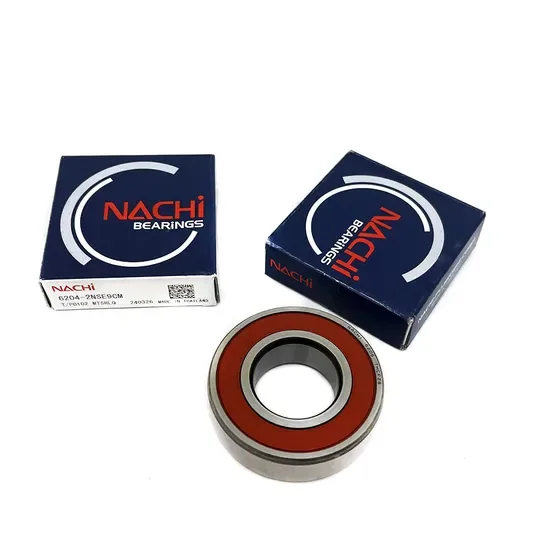
Deep Groove Ball Bearings
Genuine NACHI 608zz 6202 6201 Deep Groove Ball Bearing for Marine Equipment
View product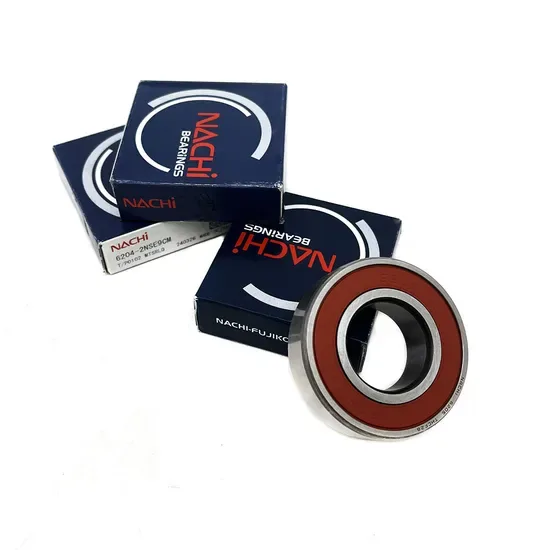
Deep Groove Ball Bearings
NACHI 608zz 16004 6201 Deep Groove Ball Bearing P6 P5 C3
View product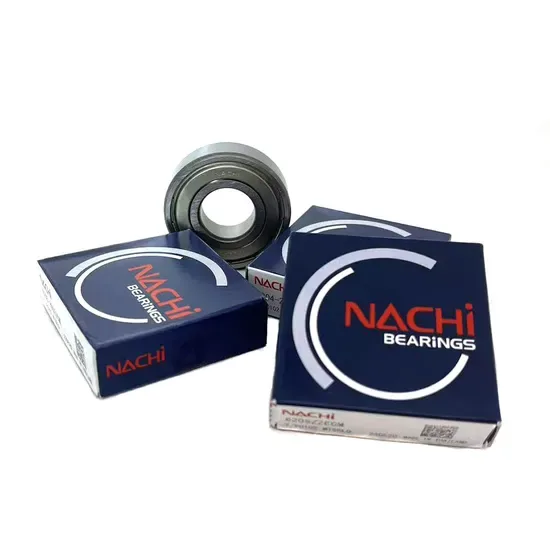
Deep Groove Ball Bearings
NACHI Deep Groove Ball Bearing 62301 608 6202 63008 63007 63006 6204 6301
View product Deep Groove Ball Bearings
Genuine NACHI P6 Deep Groove Ball Bearings 62208 62210 63002 63004 63006
View productModel check
Not sure which NACHI designation fits? We help with substitution, cross-reference and selection.
Send the old bearing number, the worn marking you can still read, or the application and shaft size. nachioem matches it to the correct NACHI model, including clearance, cage and seal options, before you order.
- Substitution for discontinued models
- Cross-reference to NACHI numbers
- Selection for spindles, pumps and reducers
Keep reading
Related NACHI bearing technical articles
More practical guides on NACHI suffixes, replacement and selection for machine tools, automotive, construction machinery, pumps and gear reducers.

Oct 7, 2026 · Procurement & Trade FAQs · 5 min read
Genuine NACHI Bearings Wholesale Supplier & Bulk Export
Stop relying on carrier portals to explain NACHI shipment delays. Mixed-batch customs holds stem from mismatched HS codes and inadequate moisture-proof packaging, not logistics…
Read the article
Oct 7, 2026 · Procurement & Trade FAQs · 8 min read
NACHI Bearing Supplier: Genuine Stock, Bulk & MRO for Global Tenders
Sourcing genuine NACHI bearings for tenders demands strict batch traceability to avoid 100% site rejection. Learn to verify mill certificates, manage mixed-container procurement with…
Read the article Oct 7, 2026 · Procurement & Trade FAQs · 6 min read
Genuine NACHI Bearings Wholesale Supplier | Bulk & Single Unit Orders
Master Annual Supply Agreements for NACHI Bearings by securing priority allocation and strict traceability protocols. Learn to consolidate emergency spares in bulk orders while…
Read the article
Request a quote
Send your NACHI model list. We quote fast.
List the NACHI model numbers with full suffixes and the quantity for each. nachioem replies online as quickly as possible with pricing for distributors, repair shops and end users worldwide.
- info@nachioem.com
- WhatsApp +1 (702) 981-5880
- Online replies as quickly as possible
- Global delivery by DHL, FedEx, UPS, air or sea