
NACHI Bearing Technical Guide Applications & Industries
NACHI Bearings for Looms: Wholesale Supplier & Bulk Sales
Genuine NACHI bearings for looms prevent catastrophic spindle vibration and costly downtime caused by counterfeit parts. Learn to match internal clearance, verify traceability documentation, and source authentic components to ensure high-speed weaving stability and extend machinery lifespan.
- Published
- By author
- nachioem · Specialized NACHI bearing supplier
Cheap bearings cost more than genuine ones.
Genuine NACHI spherical roller bearings are the only viable choice for high-speed loom spindles because they maintain the specific internal clearance and precision required to prevent catastrophic vibration. Counterfeit or mismatched parts fail rapidly, causing severe spindle instability and unplanned downtime that far exceeds any initial savings on component costs. Sourcing verified NACHI bearings for looms requires strict traceability documentation and adherence to ISO vibration standards rather than relying on visual inspection alone.
I still remember the humid air in a textile mill in Lagos, where the rhythmic clatter of dozens of weaving machines was interrupted by a sharp, irregular grinding noise. The factory manager pointed at the fabric rolling off the loom, showing me wave-like patterns that ruined the entire batch. They had switched to a cheaper alternative for their main spindle bearings, assuming all spherical roller bearings were interchangeable. Within months, the spindle vibration exceeded safe limits, forcing a complete line shutdown. This was not an isolated incident but a common lesson learned the hard way in heavy industrial maintenance.
Understanding why these components fail requires looking beyond the price tag and focusing on the mechanical demands of modern weaving machinery.
Why Do Looms Require Specific NACHI Bearings?
High-speed spindle stability depends on precise internal clearance.
Looms operate under unique stress conditions that differ significantly from general industrial machinery. The main shafts and spindles rotate at high speeds while subjected to complex radial and axial loads from the weaving process. Using generic bearings often leads to premature failure because they lack the specific engineering tolerances required for this application. Genuine NACHI bearings for weaving machines are designed with controlled internal clearance that accommodates thermal expansion without compromising rigidity.
When I consult with mill operators, I often see them struggle with the misconception that any spherical roller bearing will fit. In reality, the precision class and load rating must match the specific loom model. A bearing that is too loose will cause excessive play, leading to vibration that damages the spindle housing. Conversely, a bearing that is too tight will overheat and seize under continuous operation.
| Feature | Generic/Counterfeit Bearing | Genuine NACHI Bearing for Looms |
|---|---|---|
| Internal Clearance Control | Uncontrolled/Variable | Precision-matched for high-speed spindles |
| Vibration Resistance | Vulnerable to early fatigue | Robust under continuous high-load cycles |
| Material Consistency | Inconsistent steel quality | Verified high-purity bearing steel |
| Traceability Documentation | None or forged papers | Full batch-level verifiable docs |
The difference becomes apparent only after months of operation, which is why many mills do not realize the error until significant damage has occurred.
Selecting the right component is not just about fitment; it is about ensuring the longevity of the entire weaving line.
What Happens When Looms Use Counterfeit Bearings?
Fake parts cause rapid wear and massive production downtime.
The market is flooded with counterfeit bearings that look identical to genuine products but fail to meet performance standards. I have seen cases where fake NACHI spherical roller bearings were installed in African textile mills, only to cause spindle vibration to exceed limits within a few months. The failure cycle was short, and the vibration amplitude was dangerously high, leading to costly repairs.
In another instance, a weaving factory in Southeast Asia upgraded to genuine NACHI bearings for their high-speed looms. The result was a noticeable extension in service life and a significant reduction in unplanned stops. The contrast between the two scenarios highlights the hidden costs of using non-genuine parts. While the initial purchase price of counterfeit bearings is lower, the total cost of ownership is much higher due to frequent replacements and lost production time.
Common signs of counterfeit bearing failure include:
- Abnormal noise during operation
- Excessive heat generation in the spindle housing
- Premature wear of adjacent mechanical components
- Inconsistent fabric quality due to spindle instability
Verifying the authenticity of bearings is crucial to avoiding these issues. Many distributors claim to offer genuine products, but without proper documentation, it is impossible to guarantee their origin.
Protecting your investment requires a rigorous approach to procurement and verification.
How to Select the Right NACHI Bearing for Your Loom?
Match internal clearance and load ratings to specific loom models.
Choosing the correct bearing involves more than just matching the part number. It requires an understanding of the operational conditions of the loom. High-speed spindles demand bearings with specific internal clearance classes, such as C3 or C4, to handle thermal expansion effectively. Load rating calculations for loom main shafts must also be considered to ensure the bearing can withstand the dynamic forces generated during weaving.
When I help clients select bearings, I start by analyzing the specific requirements of their machinery. This includes the rotational speed, load type, and operating temperature. For example, a loom operating in a hot and humid environment may require bearings with enhanced corrosion resistance and stable lubrication properties.
Steps for selecting the right bearing:
- Identify the specific loom model and its operational parameters.
- Determine the required internal clearance class based on speed and temperature.
- Calculate the dynamic and static load ratings needed for the application.
- Verify the precision class required for spindle stability.
- Consult with technical experts to confirm the selection.
Using the wrong bearing can lead to immediate failure or gradual degradation of performance. It is essential to rely on accurate technical data rather than guesswork.
Proper selection ensures optimal performance and minimizes the risk of unexpected breakdowns.
How to Verify Genuine NACHI Bearings During Procurement?
Require complete traceability docs and use authorized global suppliers.
Verifying the authenticity of NACHI bearings is critical to ensuring their performance. Counterfeit products often lack proper packaging and documentation, making them difficult to distinguish from genuine items at first glance. However, genuine NACHI bearings come with complete traceability documentation that verifies their origin and quality.
A Latin American MRO distributor once consolidated mixed-brand containers for local textile workshops. By requiring 100% traceability documents, they ensured that every bearing supplied was genuine. This approach provided flexibility in minimum order quantities for urgent spares while maintaining quality assurance.
Key verification steps include:
- Checking the packaging for official branding and security features.
- Requesting complete traceability documentation from the supplier.
- Inspecting the bearing for precise machining and consistent finish.
- Verifying the part number against the manufacturer’s catalog.
- Purchasing from authorized global suppliers with a proven track record.
Relying on unauthorized sources increases the risk of receiving counterfeit products. Establishing a relationship with a reliable supplier is the best way to ensure consistent quality.
Trustworthy sourcing practices protect your machinery and your reputation.
Conclusion
Genuine components are the foundation of reliable textile production.
Investing in authentic NACHI bearings for looms prevents costly downtime and ensures consistent fabric quality. By prioritizing verified sourcing and proper selection, textile mills can optimize their operations and extend the lifespan of their machinery. Avoid the hidden costs of counterfeit parts by working with suppliers who provide complete traceability and technical support.
Applications covered in this article
Products in this article
NACHI bearings mentioned above
These are the NACHI bearing types discussed in this guide. Open a product page to check its designation and send the exact suffix with your quantity.
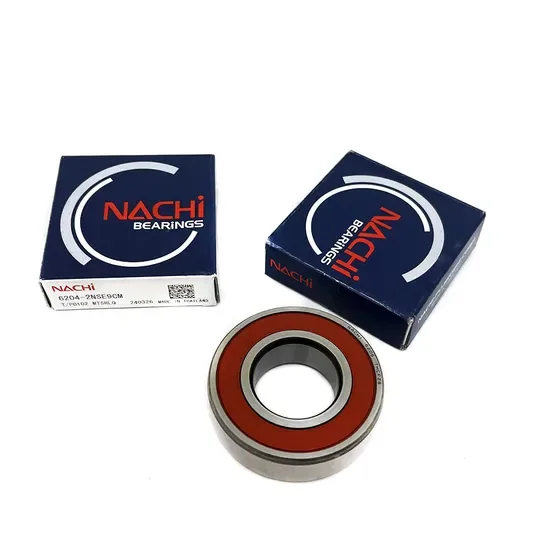
Deep Groove Ball Bearings
Genuine NACHI 608zz 6202 6201 Deep Groove Ball Bearing for Marine Equipment
View product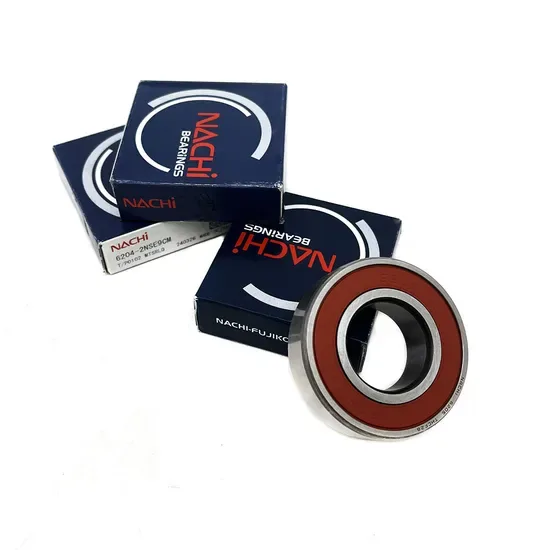
Deep Groove Ball Bearings
NACHI 608zz 16004 6201 Deep Groove Ball Bearing P6 P5 C3
View product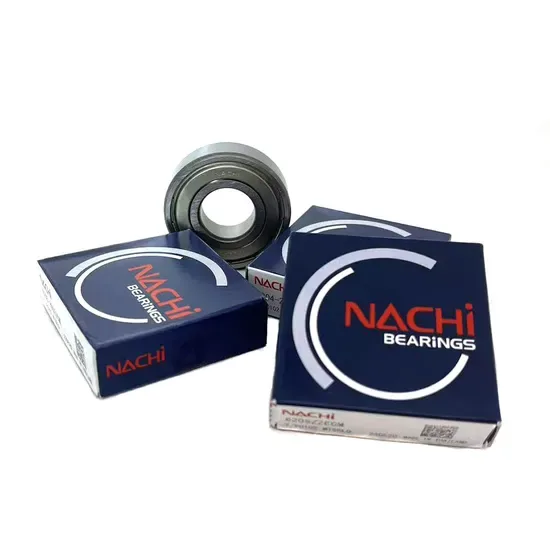
Deep Groove Ball Bearings
NACHI Deep Groove Ball Bearing 62301 608 6202 63008 63007 63006 6204 6301
View product Deep Groove Ball Bearings
Genuine NACHI P6 Deep Groove Ball Bearings 62208 62210 63002 63004 63006
View productModel check
Not sure which NACHI designation fits? We help with substitution, cross-reference and selection.
Send the old bearing number, the worn marking you can still read, or the application and shaft size. nachioem matches it to the correct NACHI model, including clearance, cage and seal options, before you order.
- Substitution for discontinued models
- Cross-reference to NACHI numbers
- Selection for spindles, pumps and reducers
Keep reading
Related NACHI bearing technical articles
More practical guides on NACHI suffixes, replacement and selection for machine tools, automotive, construction machinery, pumps and gear reducers.
Oct 7, 2026 · Applications & Industries · 8 min read
Genuine NACHI Bearings for Hydraulic Pumps – Wholesale Supplier
Prevent thermal seizure in hydraulic pumps by selecting genuine NACHI bearings with precise C3/C4 clearance classes. Learn from real-world failure cases and verify traceability…
Read the article Oct 7, 2026 · Applications & Industries · 7 min read
NACHI Bearings for Woodworking Machines Wholesale Supplier
Prevent costly spindle seizures in high-speed woodworking machines by selecting the correct NACHI bearings with C3 or C4 clearance. Learn how to match ZZ…
Read the article Oct 7, 2026 · Applications & Industries · 8 min read
Genuine NACHI Bearings for Plastic Machines – Wholesale Supplier
Genuine NACHI bearings for plastic machines prevent catastrophic downtime caused by improper clearance in high-temperature zones. Learn to select the right series for extruders…
Read the article
Request a quote
Send your NACHI model list. We quote fast.
List the NACHI model numbers with full suffixes and the quantity for each. nachioem replies online as quickly as possible with pricing for distributors, repair shops and end users worldwide.
- info@nachioem.com
- WhatsApp +1 (702) 981-5880
- Online replies as quickly as possible
- Global delivery by DHL, FedEx, UPS, air or sea