
NACHI Bearing Technical Guide Procurement & Trade FAQs
NACHI Bearings Price Changes: Wholesale Supplier for Bulk Orders
NACHI bearings price changes are driven by raw material indices and brand adjustment cycles rather than simple supply and demand. Protect margins on bulk orders by locking rates early and tracking official notices. Leverage mixed-brand consolidation strategies to offset single-brand price surges while maintaining technical performance standards.
- Published
- By author
- nachioem · Specialized NACHI bearing supplier
Static quotes are margin traps.
NACHI bearing pricing is dynamic, driven by raw material steel indices and quarterly brand adjustment cycles rather than simple supply and demand fluctuations. To protect margins on bulk orders, procurement teams must lock rates early, track official brand notices, and leverage mixed-brand consolidation strategies instead of assuming yesterday’s quote holds tomorrow.
The factory floor does not care about your spreadsheet assumptions. I learned this the hard way during a particularly volatile quarter in Qingdao. A mining client needed a massive volume of spherical roller bearings for a new crusher line. We had agreed on a FOB rate based on the previous month’s steel index. Two days before shipment, the manufacturer issued a sudden cost adjustment notice. The raw material surge had eaten into the production margin overnight. I had to absorb the loss to honor the deal, but that incident reshaped how I approach every subsequent negotiation. It was not just about volume; it was about timing the brand adjustment cycle.
Understanding these mechanics is critical for any distributor or OEM looking to secure genuine NACHI bearings without eroding their profit margins. The market moves fast, and those who rely on static pricing models often find themselves facing unexpected costs or delayed deliveries.
Why Do NACHI Bearing Prices Fluctuate?
Price volatility is primarily driven by raw material indices and structured brand adjustment cycles, not just immediate supply and demand imbalances.
Many buyers assume that bearing prices fluctuate solely based on inventory levels. While stock availability plays a role, the foundational driver is the cost of high-grade bearing steel. Manufacturers operate on thin margins, and when global steel indices rise, they pass these costs down through structured price adjustment notices.
These adjustments are not random. Major brands like NACHI typically review their pricing structures on a quarterly or semi-annual basis. During these windows, they evaluate energy costs, logistics fees, and raw material trends. If you place a large order just before a scheduled adjustment, you might secure the old rate. If you wait until after the notice is published, you face an immediate hike.
I have seen distributors miss these windows by mere days. They assume that because they have a long-standing relationship, the price will hold. It rarely does. The manufacturer’s system updates automatically, and the new rate applies to all open orders that have not yet been invoiced. This is why tracking the brand’s adjustment cycle is more important than negotiating a one-time discount.
Furthermore, currency fluctuations play a subtle but significant role. Since many transactions are settled in USD or EUR, shifts in exchange rates can trigger additional adjustments from the manufacturer’s side to maintain their local currency revenue targets. Ignoring these macroeconomic factors leaves buyers exposed to sudden cost increases that cannot be passed on to end-users quickly enough.
How to Protect Margins on Large Bulk Orders?
Lock rates early and track adjustment cycles rather than assuming static pricing will remain valid throughout the procurement process.
Protecting margins requires a proactive approach to procurement. The most effective strategy is to secure rate locks as soon as project specifications are finalized. Do not wait for the final purchase order approval if the timeline extends beyond a few weeks. Instead, negotiate a validity period for your quote that aligns with the manufacturer’s next potential adjustment window.
In my experience, successful buyers maintain a close dialogue with their suppliers regarding upcoming price reviews. When a brand signals an impending adjustment, it is often possible to place a provisional order or pay a deposit to lock in the current rate. This requires cash flow flexibility, but the savings on a container-load of bearings can be substantial.
Another key tactic is to diversify your sourcing timeline. Instead of placing one massive order at once, consider splitting the procurement into tranches. This allows you to average out the cost over time, mitigating the risk of buying entirely at a peak price. However, this must be balanced against lead time requirements. For urgent projects, securing the full volume at the current rate is usually safer than gambling on future dips.
It is also essential to verify the authenticity of the products being sourced. During periods of price volatility, the market sees an influx of counterfeit goods offered at suspiciously low rates. These products may seem attractive for margin protection, but they carry significant risks of premature failure and liability. Stick to authorized channels where traceability documentation is complete and verifiable.
What Are the Risks of Ignoring Price Trends?
Ignoring price trends leads to margin erosion, unexpected cost overruns, and potential project delays due to sudden price hikes or stock shortages.
The most immediate risk is financial. If you quote a fixed price to your customer based on outdated bearing costs, a sudden hike from the manufacturer eats directly into your profit. In some cases, it can turn a profitable deal into a loss-making one. I have witnessed distributors hesitate to renegotiate with their end-clients, preferring to absorb the loss to preserve the relationship. This is unsustainable in the long run.
Beyond financial loss, there is the risk of supply disruption. When prices rise sharply, manufacturers may prioritize orders from clients who accept the new rates immediately. Those who hesitate or attempt to negotiate using old data may find their orders pushed back in the production queue. This delay can halt entire assembly lines or maintenance schedules, causing far greater damage than the initial price difference.
Additionally, ignoring trends prevents strategic planning. Without awareness of upcoming adjustments, buyers cannot optimize their inventory levels. They may overstock just before a price drop or understock before a hike, leading to inefficient capital allocation.
The ripple effect extends to customer trust. Frequent price changes or unexpected surcharges damage your credibility. Clients prefer stability and transparency. By staying ahead of price trends, you can communicate proactively with your customers, explaining the market dynamics and offering solutions rather than surprises.
How Does Mixed-Brand Sourcing Mitigate Costs?
Leveraging cross-brand equivalents and consolidated shipping offsets single-brand price surges while maintaining technical performance standards.
When NACHI prices spike, rigid adherence to a single brand can become costly. A more flexible approach involves identifying technically equivalent bearings from other premium brands such as SKF, FAG, NSK, or NTN. Most standard bearing dimensions and load ratings follow international ISO standards, meaning that a spherical roller bearing from one brand can often replace another without modifying the housing or shaft.
This strategy requires deep technical knowledge. Not all equivalents are identical in terms of internal clearance, cage design, or lubrication. However, for many general industrial applications, these differences are negligible. By consulting with technical experts, you can map out viable alternatives that offer better availability or more stable pricing at any given time.
Mixed-brand sourcing also enables container consolidation. Instead of filling a container with only one brand’s products, you can combine orders from multiple manufacturers. This optimizes shipping costs and reduces the impact of freight rate fluctuations. It also provides a buffer against stockouts from any single supplier.
For MRO distributors, this flexibility is invaluable. End-users often care more about uptime and reliability than the brand name on the box, provided the specification is met. By offering a curated selection of genuine, high-quality alternatives, you can maintain competitive pricing and ensure continuous supply even when one brand faces constraints.
Our team frequently assists clients in navigating these cross-brand equivalents. We maintain a massive spot inventory of various premium brands, allowing us to propose immediate substitutions when primary choices are affected by price hikes or lead time extensions. This technical consultation ensures that the replacement meets the exact operational requirements, from load capacity to speed limits, safeguarding both performance and budget.
Conclusion
Dynamic pricing demands dynamic procurement strategies.
NACHI bearing prices are influenced by complex factors including raw material costs and brand adjustment cycles. Buyers who rely on static quotes risk margin erosion and supply disruptions. By locking rates early, tracking market trends, and leveraging mixed-brand sourcing options, distributors and OEMs can protect their profitability and ensure consistent supply. Success in this market requires vigilance, technical expertise, and the flexibility to adapt to changing conditions.
Products in this article
NACHI bearings mentioned above
These are the NACHI bearing types discussed in this guide. Open a product page to check its designation and send the exact suffix with your quantity.
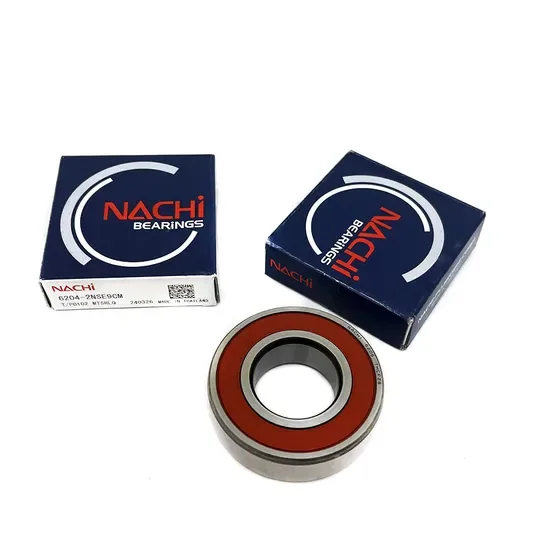
Deep Groove Ball Bearings
Genuine NACHI 608zz 6202 6201 Deep Groove Ball Bearing for Marine Equipment
View product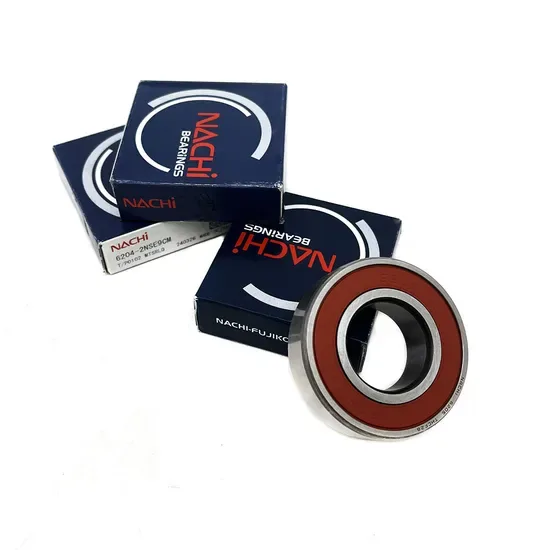
Deep Groove Ball Bearings
NACHI 608zz 16004 6201 Deep Groove Ball Bearing P6 P5 C3
View product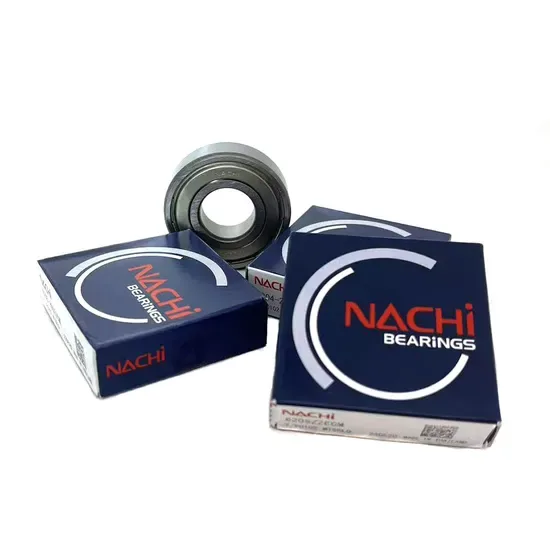
Deep Groove Ball Bearings
NACHI Deep Groove Ball Bearing 62301 608 6202 63008 63007 63006 6204 6301
View product Deep Groove Ball Bearings
Genuine NACHI P6 Deep Groove Ball Bearings 62208 62210 63002 63004 63006
View productModel check
Not sure which NACHI designation fits? We help with substitution, cross-reference and selection.
Send the old bearing number, the worn marking you can still read, or the application and shaft size. nachioem matches it to the correct NACHI model, including clearance, cage and seal options, before you order.
- Substitution for discontinued models
- Cross-reference to NACHI numbers
- Selection for spindles, pumps and reducers
Keep reading
Related NACHI bearing technical articles
More practical guides on NACHI suffixes, replacement and selection for machine tools, automotive, construction machinery, pumps and gear reducers.

Oct 7, 2026 · Procurement & Trade FAQs · 5 min read
Genuine NACHI Bearings Wholesale Supplier & Bulk Export
Stop relying on carrier portals to explain NACHI shipment delays. Mixed-batch customs holds stem from mismatched HS codes and inadequate moisture-proof packaging, not logistics…
Read the article
Oct 7, 2026 · Procurement & Trade FAQs · 8 min read
NACHI Bearing Supplier: Genuine Stock, Bulk & MRO for Global Tenders
Sourcing genuine NACHI bearings for tenders demands strict batch traceability to avoid 100% site rejection. Learn to verify mill certificates, manage mixed-container procurement with…
Read the article Oct 7, 2026 · Procurement & Trade FAQs · 6 min read
Genuine NACHI Bearings Wholesale Supplier | Bulk & Single Unit Orders
Master Annual Supply Agreements for NACHI Bearings by securing priority allocation and strict traceability protocols. Learn to consolidate emergency spares in bulk orders while…
Read the article
Request a quote
Send your NACHI model list. We quote fast.
List the NACHI model numbers with full suffixes and the quantity for each. nachioem replies online as quickly as possible with pricing for distributors, repair shops and end users worldwide.
- info@nachioem.com
- WhatsApp +1 (702) 981-5880
- Online replies as quickly as possible
- Global delivery by DHL, FedEx, UPS, air or sea