
NACHI Bearing Technical Guide Procurement & Trade FAQs
Buy NACHI Roller Bearings Bulk Wholesale Supplier
Secure genuine bulk pricing NACHI roller bearings by optimizing total landed costs beyond unit quotes. Master mixed-container consolidation and customs compliance to avoid hidden fees. Verify authenticity with traceability documents to protect margins and ensure reliable wholesale supply.
- Published
- By author
- nachioem · Specialized NACHI bearing supplier
The lowest unit price on a quote often hides the highest total landed cost.
True bulk pricing for NACHI roller bearings is not merely a function of volume discounts; it is a complex equation involving mixed-container consolidation, strict customs compliance, and the mitigation of hidden supply chain risks. Buyers who focus solely on the per-unit cost frequently encounter costly delays, moisture damage, or authenticity disputes that erase initial savings. Securing genuine NACHI bearings at wholesale rates requires optimizing the entire procurement lifecycle, from verifying traceability documents to managing freight weight-to-volume ratios.
Navigating the global bearing market demands more than just finding a low quote. It requires an understanding of how logistics and documentation impact the final bottom line. When I first started handling exports to Latin America, I learned this lesson the hard way. A shipment of NACHI spherical roller bearings destined for a mining client in Brazil was held up at the port of Santos. The issue was not the quality of the steel, but a minor discrepancy in the HS code classification on the commercial invoice, compounded by inadequate moisture protection during a less-than-container-load (LCL) transfer. The client faced weeks of downtime, and the cost of expedited air freight for replacements far exceeded any discount we had negotiated on the initial bulk order. This experience reshaped my approach to wholesale sourcing, emphasizing that the real value lies in reliability and total cost ownership, not just the sticker price.
What Determines the Real Bulk Price of NACHI Roller Bearings?
Unit price is just the baseline; volume tiers and brand authenticity dictate actual wholesale costs.
Many procurement managers assume that buying in larger quantities automatically guarantees the best deal. While volume thresholds do trigger tiered discounts from manufacturers and authorized distributors, the structure of these discounts varies significantly. For high-turnover items like spherical roller bearings, the break-even point for wholesale pricing often depends on the buyer’s inventory turnover rate. Holding excessive stock to achieve a lower unit price can tie up capital and increase storage costs, especially if the bearings require climate-controlled environments to prevent corrosion.
Authenticity is another critical factor. The market is flooded with counterfeit or refurbished bearings sold as new. Genuine NACHI products come with specific traceability documentation, including batch numbers and material certificates. Sourcing from unauthorized channels might offer a lower upfront price, but the risk of receiving substandard products leads to higher rejection rates and potential equipment failure.
When evaluating quotes from a Buy NACHI Roller Bearings Bulk Wholesale Supplier, it is essential to look beyond the line item cost. Consider the consistency of batch-to-batch quality. For OEMs building heavy machinery, even minor variations in dimensional tolerances can cause assembly issues. Reliable suppliers maintain strict quality control standards, ensuring that every bearing in a large order meets the same precision specifications. This consistency reduces the need for incoming inspection and minimizes production delays.
How Does Mixed-Container Consolidation Affect Your Landed Cost?
Optimizing LCL shipments balances freight savings against strict customs documentation requirements.
For regional distributors and MRO buyers, ordering full container loads of a single bearing type is often impractical. Demand varies across different models, and holding too much of one size while running out of another disrupts service levels. Mixed-container consolidation allows buyers to combine various bearing types and brands into a single shipment, optimizing space and reducing freight costs per unit. However, this approach introduces complexity in customs clearance.
Each item in a mixed container must be accurately declared with the correct HS code and description. Errors in documentation can lead to inspections, delays, and penalties. In my early days, I saw how a simple abbreviation error on a packing list caused a two-week delay for a client. The customs authorities questioned the valuation and origin of the goods, requiring additional paperwork and verification. This incident taught me that precision in documentation is as important as the physical quality of the bearings.
Consolidation also affects the weight-to-volume ratio of the shipment. Bearings are dense and heavy, so maximizing weight utilization is key to cost efficiency. However, improper packing can lead to wasted space or damage. Professional consolidators use specialized crating and padding to protect the bearings while maximizing container capacity.
Working with a Buy NACHI Roller Bearings Bulk Wholesale Supplier that offers one-stop mixed-brand consolidation services can simplify this process. These suppliers handle the complexities of combining different SKUs, ensuring that all documentation is accurate and compliant. They also provide flexibility in minimum order quantities, allowing buyers to stock a diverse range of bearings without committing to full container loads of each item.
What Hidden Supply Chain Costs Destroy Wholesale Margins?
Customs delays and moisture damage during transit can wipe out initial unit-price discounts.
The journey from the factory floor to the end-user is fraught with potential pitfalls. Moisture is a silent killer of bearings. Even high-quality steel is susceptible to rust if exposed to humidity during ocean freight. Standard packaging may not be sufficient for long voyages or transfers in tropical climates. Vapour-corrosion inhibitor (VCI) packaging and desiccants are essential for protecting bearings in LCL shipments, where containers are opened and closed multiple times.
Customs compliance is another area where costs can spiral. Different countries have varying regulations regarding import duties, taxes, and documentation. Misclassification of goods can result in higher duty rates or fines. Additionally, some regions require specific certifications or inspections before clearing goods. Failure to meet these requirements can lead to demurrage charges, which accumulate daily and can quickly exceed the value of the cargo.
Inventory holding costs are often overlooked. Buying in bulk to save on unit price ties up capital and requires storage space. If the bearings are not turned over quickly, the cost of storage, insurance, and potential obsolescence can erode margins. Buyers must balance the desire for lower unit prices with the reality of their cash flow and storage capacity.
A reliable Buy NACHI Roller Bearings Bulk Wholesale Supplier understands these risks and takes proactive measures to mitigate them. This includes using robust packaging, providing accurate customs documentation, and offering flexible payment terms to help manage cash flow. By addressing these hidden costs, buyers can achieve true savings rather than just superficial discounts.
How to Verify Authenticity When Buying NACHI Bearings in Bulk?
Traceability documents and authorized sourcing channels are non-negotiable for bulk wholesale orders.
Counterfeit bearings are a significant problem in the global market. These fake products often look identical to genuine ones but lack the precise engineering and material quality required for demanding applications. Using counterfeit bearings can lead to premature failure, equipment damage, and safety hazards. Therefore, verifying authenticity is crucial when placing large orders.
Genuine NACHI bearings come with specific markings, including the brand logo, part number, and batch code. These markings should be clear, precise, and consistent across all units in the order. Additionally, suppliers should provide traceability documents, such as certificates of origin and material test reports. These documents link the bearings to the manufacturer’s production records, ensuring their authenticity.
Buying from authorized distributors or reputable wholesalers is the best way to ensure authenticity. These suppliers have direct relationships with the manufacturer and adhere to strict quality control standards. They can provide verification of their authorization status and offer support in case of any quality issues.
When working with a Buy NACHI Roller Bearings Bulk Wholesale Supplier, ask for proof of authorization and traceability documentation. Reputable suppliers will be transparent about their sourcing channels and willing to provide the necessary paperwork. This due diligence protects your investment and ensures that you receive genuine, high-quality products.
Conclusion
Bulk pricing is a strategic advantage only when total landed costs are controlled.
Securing the best value for NACHI roller bearings requires a holistic view of the supply chain. By focusing on authenticity, optimizing logistics through mixed-container consolidation, and mitigating hidden risks like moisture and customs delays, buyers can achieve genuine savings. Partnering with a knowledgeable Buy NACHI Roller Bearings Bulk Wholesale Supplier ensures that every aspect of the procurement process is handled with precision and care, protecting your operations and your bottom line.
Products in this article
NACHI bearings mentioned above
These are the NACHI bearing types discussed in this guide. Open a product page to check its designation and send the exact suffix with your quantity.

Spherical Roller Bearings
NACHI 22311 Self Aligning Roller Bearing Spherical Motorcycle Parts
View product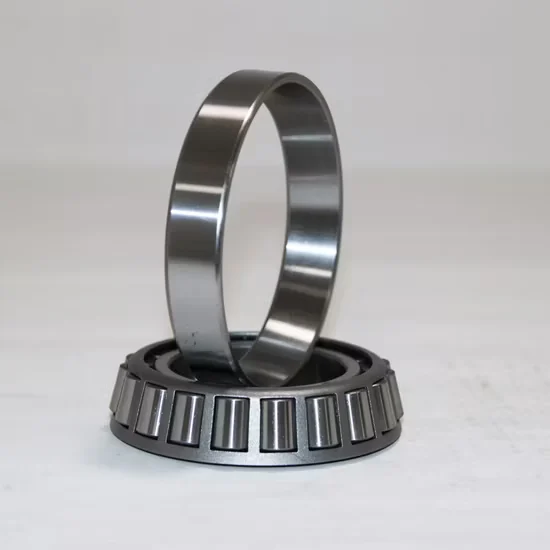
Tapered Roller Bearings
NACHI 33020 Tapered Roller Bearing - Genuine Japan Single Row Radial Bearing Supplier
View product
Spherical Roller Bearings
NACHI 22210 Spherical Roller Bearing for Metallurgical Equipment Japan
View product
Cylindrical Roller Bearings
NACHI NU205ETN1 Cylindrical Roller Bearing for Vibrating Screen
View productModel check
Not sure which NACHI designation fits? We help with substitution, cross-reference and selection.
Send the old bearing number, the worn marking you can still read, or the application and shaft size. nachioem matches it to the correct NACHI model, including clearance, cage and seal options, before you order.
- Substitution for discontinued models
- Cross-reference to NACHI numbers
- Selection for spindles, pumps and reducers
Keep reading
Related NACHI bearing technical articles
More practical guides on NACHI suffixes, replacement and selection for machine tools, automotive, construction machinery, pumps and gear reducers.

Oct 7, 2026 · Procurement & Trade FAQs · 5 min read
Genuine NACHI Bearings Wholesale Supplier & Bulk Export
Stop relying on carrier portals to explain NACHI shipment delays. Mixed-batch customs holds stem from mismatched HS codes and inadequate moisture-proof packaging, not logistics…
Read the article Oct 7, 2026 · Procurement & Trade FAQs · 8 min read
NACHI Bearing Supplier: Genuine Stock, Bulk & MRO for Global Tenders
Sourcing genuine NACHI bearings for tenders demands strict batch traceability to avoid 100% site rejection. Learn to verify mill certificates, manage mixed-container procurement with…
Read the article Oct 7, 2026 · Procurement & Trade FAQs · 6 min read
Genuine NACHI Bearings Wholesale Supplier | Bulk & Single Unit Orders
Master Annual Supply Agreements for NACHI Bearings by securing priority allocation and strict traceability protocols. Learn to consolidate emergency spares in bulk orders while…
Read the article
Request a quote
Send your NACHI model list. We quote fast.
List the NACHI model numbers with full suffixes and the quantity for each. nachioem replies online as quickly as possible with pricing for distributors, repair shops and end users worldwide.
- info@nachioem.com
- WhatsApp +1 (702) 981-5880
- Online replies as quickly as possible
- Global delivery by DHL, FedEx, UPS, air or sea